How to Mix Real and Artificial Plants for a Natural, Stylish Home
Mixing real plants with artificial plants indoor décor is one of the easiest ways to make a home feel full, fresh, and intentional. You get the softness and life of real greenery plus the consistency and convenience of faux pieces, which is especially helpful in rooms where sunlight is limited or care routines are inconsistent.
When done well, the combination looks natural instead of obvious. The trick is to treat both real and artificial greenery as part of one design plan, not as separate categories. With the right placement, planters, textures, and proportions, you can create a layered look that feels pulled together in any room.
Why Mix Real and Artificial Plants?
There are practical reasons people in the United States choose a mixed approach to greenery. Not every home has ideal light, and not every schedule allows for regular watering, pruning, and repotting. Artificial plants can fill in the gaps while real plants bring a sense of movement and freshness.
- Low-maintenance styling: Faux greenery keeps its shape and fullness without watering schedules.
- Better coverage: You can make a space look lush even if only a few areas support live plants.
- More flexibility: Artificial plants work well in rentals, offices, bathrooms, and dark corners.
- Seasonal consistency: Your décor stays green year-round, even when outdoor conditions change.
- Budget control: You can invest in a few realistic pieces and use them strategically.
Interior designers often use this mix in rooms that need visual balance. For example, a bright living room might support a large real plant near a window, while a hallway with drywall walls and little natural light may need artificial greenery to keep the overall look balanced.
What Makes Artificial Plants Look Real?
Not all faux greenery is created equal. The best results usually come from high-quality pieces with subtle color variation, realistic leaf shapes, and matte or lightly textured finishes. That is why many homeowners look for fake plants that look real rather than shiny, overly uniform options.
Some signs of realistic artificial plants include:
- Natural color variation: Real leaves are rarely one solid shade of green.
- Textured surfaces: Veining, slight imperfections, and matte finishes help a plant feel believable.
- Flexible stems: Bendable branches let you shape the plant more naturally.
- Weighted or sturdy bases: These help the plant sit like a live one instead of looking top-heavy.
- UV-resistant materials: Useful for spaces with strong sun exposure or patio-adjacent areas.
High-quality silk flowers and faux foliage can also look realistic when they are styled well. A perfect arrangement can still look fake if it is too symmetrical or dusty, while a slightly irregular, layered display can feel much more natural.
How to Mix Real and Artificial Plants Step by Step
1. Start with the style of your room
Before buying anything, decide what look you want. A minimalist condo, a modern farmhouse living room, and a tropical sunroom all need different kinds of greenery. Matching the plant style to the room helps everything feel cohesive.
- Minimalist: Simple greenery, clean planters, and restrained shapes.
- Boho: Trailing vines, woven baskets, and textured pots.
- Modern: Sculptural plants, tall shapes, and crisp containers.
- Tropical: Broad leaves, layered foliage, and fuller arrangements.
2. Put artificial plants where live plants struggle
Artificial greenery works best in places where real plants are unlikely to thrive. Think about low-light corners, air-conditioned rooms, or spaces with inconsistent temperatures. In many homes, these include hallways, entryways, and bathrooms.
Good spots for faux pieces include:
- Dark corners that need height and color
- Bathrooms with little or no natural light
- High shelves where watering would be inconvenient
- Rooms with strong sun exposure that may dry out live plants too quickly
In a rental, this approach is especially useful because you can style a room beautifully without worrying about long-term plant damage or major maintenance commitments.
3. Combine real and faux greenery in the same arrangement
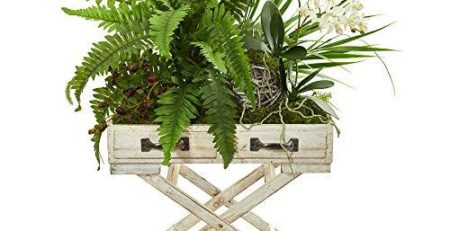
This is one of the easiest ways to make artificial greenery look more believable. Instead of placing faux plants next to real ones and calling them separate décor pieces, blend them in one display so they support each other visually.
A simple method:
- Choose a real plant as the anchor.
- Add a few faux stems around the outer edges for fullness.
- Use moss or natural-looking top dressing to hide the base if needed.
- Mix leaf shapes so the display has texture, not repetition.
For example, a real snake plant can pair well with artificial ferns or eucalyptus stems. A live pothos can be styled with faux trailing vines to make a shelf arrangement feel fuller without overwatering concerns.
4. Keep your planters consistent
One of the fastest ways to make mixed greenery feel intentional is to use coordinated planters. You do not need identical pots, but the materials and colors should belong to the same visual family.
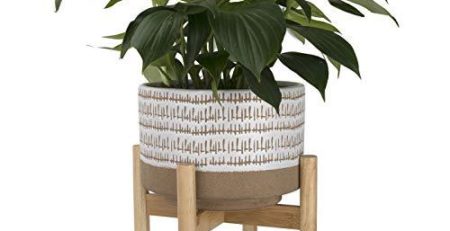
Try to keep a consistent palette such as white ceramic, terracotta, matte black, woven baskets, or neutral stone-look containers. If you use artificial plants in decorative pots, add moss, preserved top dressing, or other natural-looking cover to reduce the “store-bought” appearance.
5. Vary height and texture
Natural plant groupings rarely look perfectly matched. Some plants grow tall, some trail, and some stay compact. You can use that irregularity to your advantage by placing plants at different heights and mixing leaf shapes.
- Use tall artificial plants in corners to frame a room.
- Place medium-height real plants on side tables or plant stands.
- Add trailing faux greenery on bookcases or shelves.
- Mix broad leaves with fine textures to avoid a flat look.
For example, a tall faux fiddle leaf fig can help anchor a living room, while a real tabletop plant and a few silk flowers in a vase can soften the space on a nearby console table.
6. Keep everything clean and healthy
A mixed arrangement only looks natural if both the real and artificial pieces are cared for regularly. Dust, drooping leaves, and poor watering habits can make even expensive décor look neglected.
For artificial plants:
- Dust leaves with a microfiber cloth every week or two.
- Use a gentle, water-based cleaner if the material allows it.
- Keep faux greenery away from open flames, candles, and direct heat.
- Rotate sun-facing pieces occasionally if they are not UV-resistant.
For real plants:
- Water according to the plant’s needs, not a fixed schedule alone.
- Check for pests and yellowing leaves.
- Rotate pots for even growth near windows.
- Use proper drainage to prevent root rot.
Best Places to Use Mixed Greenery in the Home
Living room
The living room is often the best place to combine real and artificial plants because it usually has enough visual space for layers. A tall artificial plant in a corner can balance a sofa, while a real plant on a side table adds life and movement. A coffee table arrangement can include faux stems for volume without requiring constant upkeep.
Bedroom
Bedrooms usually benefit from calm, soft greenery rather than overly dramatic displays. A real plant on a dresser and a faux trailing vine on a shelf can create a restful atmosphere. If your bedroom gets uneven light, artificial greenery is a practical way to keep the space feeling fresh.
Kitchen
Kitchens are often busy spaces with changing temperatures and occasional splashes. Real herbs can be lovely on a sunny windowsill, but artificial plants can fill in darker spots or decorate open shelving. A small arrangement of silk flowers can also add color without getting in the way of cooking.
Bathroom
Bathrooms can be tricky because of humidity, low light, and limited surfaces. If you have a bright bathroom with a window, a real pothos or fern may work well. Otherwise, artificial plants are often the best choice for creating a spa-like feel without the stress of moisture-sensitive care.
Home office
A home office benefits from a calm, organized look. Real desk plants can add a sense of energy, while faux greenery on shelves or cabinets provides softness in the background. This is a smart use of mixed décor if your workspace gets bright morning sun or stays dim throughout the day.
Entryway and hallway
These transitional spaces often lack ideal light, which makes them perfect for artificial greenery. A tall faux plant by the front door or a small mixed arrangement on a console table can make the whole home feel more welcoming.
How to Make Silk Flowers Look Natural in Mixed Décor
Silk flowers can be part of a plant-focused design when they are styled thoughtfully. They work especially well when you want a little color in a room without buying fresh flowers every week. The key is to keep the arrangement relaxed and believable.
To style silk flowers more naturally:
- Trim stems to different heights so the arrangement does not look stiff.
- Mix flower types and foliage for a fuller look.
- Use an uneven arrangement instead of a perfect dome shape.
- Add real-looking filler, such as eucalyptus or greenery, to soften the edges.
- Choose containers that fit the room rather than overly decorative vases that distract from the flowers.
If you are wondering how to arrange silk flowers in a way that feels believable, think of how fresh blooms naturally open in varying directions. Slight asymmetry usually looks better than strict symmetry.
Common Mistakes to Avoid
Mixed plant décor can look very natural, but a few common mistakes can make it feel off.
- Using too many faux plants in one area: Spread them out so the room still feels alive.
- Choosing low-quality pieces: Very shiny leaves or unnatural colors stand out quickly.
- Ignoring scale: A tiny plant next to a large sofa or oversized faux tree in a small room can feel awkward.
- Leaving dust behind: Dirty leaves are one of the biggest giveaways that a plant is artificial.
- Mixing too many styles: Keep the palette and textures consistent for a more polished result.
The most convincing mixed greenery usually has one thing in common: it looks like it belongs to the room, not like it was added as an afterthought.
Practical Notes on Sun, Safety, and Storage
If you place artificial plants near windows, on patios, or in bright rooms, check whether they are made for direct sun exposure. Some materials can fade over time, especially if they are not UV-resistant. Even UV-resistant faux plants can benefit from occasional rotation so fading happens more evenly.
Safety matters too. Keep faux greenery and silk flowers away from candles, fireplaces, and other open flames. This is especially important in living rooms and dining areas where decorative accents often sit close to heat sources.
If you store seasonal arrangements, keep them in a cool, dry place. Shipping concerns matter as well: when faux plants or silk flowers arrive compressed, gently reshape the stems and leaves before styling them. A little fluffing can make a big difference in the final look.
Frequently Asked Questions
Q: Can you mix real and artificial plants in the same room?
A: Yes. Mixing real and artificial plants in the same room creates a fuller, more balanced look. The best results come from using faux greenery in spots where live plants are difficult to maintain.
Q: Do artificial plants fade in sunlight?
A: Some artificial plants can fade if they are exposed to direct sun for long periods. UV-resistant faux plants hold up better, but rotating them occasionally helps reduce uneven fading.
Q: How do you clean silk flowers?
A: Dust them regularly with a soft microfiber cloth or a gentle duster. If the material allows it, a light water-based cleaner can help refresh the surface, but avoid harsh chemicals.
Q: Are silk flowers safe near candles?
A: Silk flowers and artificial plants should be kept away from open flames and heat sources. They are decorative items, not fire-resistant materials, so always leave space around candles and fireplaces.
Q: What makes faux plants look realistic?
A: Natural color variation, textured leaves, flexible stems, and realistic proportions all help faux plants look more believable. Styling also matters, since an arrangement that is slightly uneven often looks more natural than a perfectly symmetrical one.
Q: How long do high-quality silk flowers last?
A: High-quality silk flowers can last for years with proper care. Keeping them clean, out of harsh direct sun when possible, and stored safely when not in use helps extend their life.
Q: Can artificial plants be used outdoors?
A: Some can, but only if they are specifically made for outdoor use. Standard indoor artificial plants may fade or break down faster when exposed to weather, direct sun, and moisture.
Q: Are faux plants a good option for rentals?
A: Yes. Faux plants are a practical choice for rentals because they do not require permanent installation or long-term care. They are an easy way to personalize a space without risking damage to walls, floors, or surfaces.
Conclusion
Mixing real and artificial plants is a smart, stylish way to create a home that feels lush without adding unnecessary stress. When you choose realistic faux greenery, coordinate planters, vary height and texture, and place each piece thoughtfully, the finished space can look natural and welcoming. The best mix is the one that supports your lifestyle while making your home feel more beautiful every day.