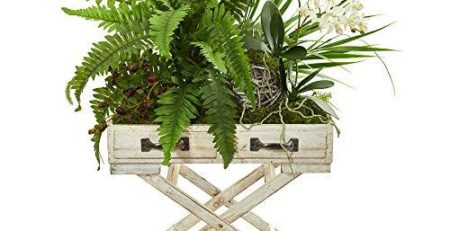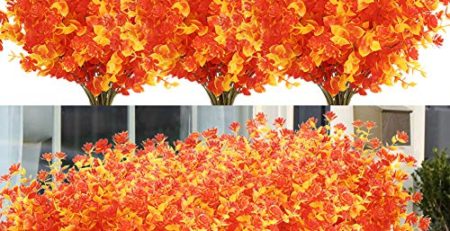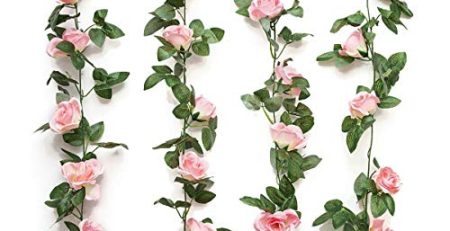
Large Artificial Flower Arrangements
Large Artificial Flower Arrangements: A Beautiful, Practical Way to Style Any Space
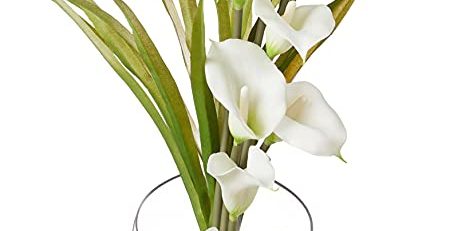
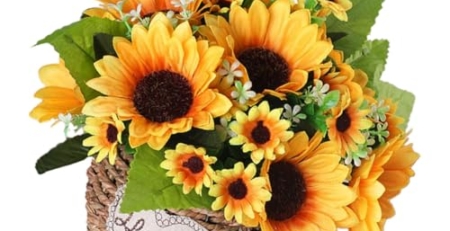
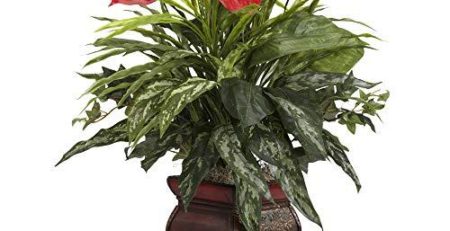
Large artificial flower arrangements have become a go-to choice for homeowners, event planners, and business owners who want a polished look without the upkeep of fresh blooms. When they are thoughtfully designed, these arrangements can look lush, elegant, and surprisingly realistic. They also solve a lot of everyday decorating problems, from low-light rooms to busy event schedules to spaces where watering live plants is simply not practical.
Whether you are styling an entryway, planning a wedding, or refreshing a commercial lobby, large faux florals can make a strong visual statement. The key is choosing the right materials, proportions, and colors so the arrangement feels intentional rather than overly artificial. In this guide, we will walk through the benefits, best uses, and practical design tips for creating large artificial flower arrangements that suit real-life spaces in the United States.
Why Large Artificial Flower Arrangements Work So Well
There is a reason faux florals continue to grow in popularity. They offer the beauty of flowers with far less maintenance, and they can be used in places where fresh arrangements may not last. A well-made arrangement can stay in place for months or years, making it a reliable décor investment.
Durability matters
Fresh flowers are beautiful, but they are temporary. Artificial arrangements do not wilt, drop petals, or require daily care. That makes them especially useful for spaces that need to look finished every day, such as offices, waiting rooms, or entry tables at home.
They are cost-effective over time
Large arrangements can be expensive if they are replaced often with fresh flowers. Artificial flowers may cost more upfront, especially if you choose high-quality stems, but they can be reused for seasons, events, or room updates. Over time, that often makes them more economical.
They are low maintenance
No watering. No trimming stems. No replacing cloudy vase water. That convenience is one of the biggest reasons people choose silk flowers and other faux greenery for busy homes and commercial spaces.
They are helpful for allergy-sensitive spaces
For people who are sensitive to pollen or fragrance, artificial flower arrangements can provide the same decorative effect without triggering allergies. That can be especially helpful in homes, guest spaces, healthcare offices, and event venues.
They offer design flexibility
Artificial florals come in many colors, sizes, and styles, which makes it easier to create a custom look. You can build a dramatic arrangement with tall branches and oversized blooms, or something softer with mixed greenery and layered flowers.
Best Places to Use Large Artificial Flower Arrangements
Large arrangements can transform a room when they are used with purpose. The most successful displays usually fit the scale of the space and support the room’s overall style.
Home décor
In a home, a large arrangement can become a focal point in an entryway, living room, dining room, or staircase landing. If your home has neutral walls or a simple design, a bold floral display can add warmth and personality. In seasonal decorating, faux flowers make it easy to switch from spring pastels to fall tones without buying fresh arrangements each time.
For example, a tall arrangement in a ceramic vase can soften a modern room with drywall walls and clean lines. In a more traditional home, a fuller arrangement with roses, hydrangeas, and greenery can create a classic look on a console table or mantel.
Events and celebrations
Large artificial flower arrangements are popular for weddings, showers, birthdays, and corporate events because they hold up well throughout the day. They are often used for entrance displays, aisle markers, stage décor, centerpieces, and photo backdrops.
A major advantage for events is predictability. You do not have to worry about flowers drooping in warm weather or looking tired by the reception. That makes faux florals especially useful for long event days or venues with limited access to water and refrigeration.
Commercial spaces
Hotels, restaurants, salons, lobbies, and office reception areas often use artificial floral arrangements to create a welcoming atmosphere. Large displays can add color and texture without requiring a staff member to maintain them daily.
In public-facing spaces, consistency matters. Artificial arrangements help keep the décor looking neat even during busy seasons, and they can be placed in areas where live plants might struggle due to low light or inconsistent care.
What Makes Silk Flowers Look Realistic?
Not all faux flowers look the same. The most realistic silk flowers usually have a few things in common: natural-looking color variation, well-shaped petals, believable stems, and foliage that matches the flower type. The goal is not perfect imitation, but enough visual detail to feel convincing from a normal viewing distance.
High-quality materials often help too. Some artificial flowers are made with fabric, latex-coated materials, plastic, or a mix of components. The exact material matters less than the overall finish. Flowers that are too shiny, too stiff, or too uniformly colored may look less natural.
Tip: A realistic arrangement usually includes more than flowers. Adding leaves, branches, buds, and a few different textures can make the whole display feel more authentic.
How to Build a Large Artificial Flower Arrangement
If you want your arrangement to look polished, start with a plan. A large display is easier to create when you think about shape, color, and placement before inserting stems into a vase or container.
Step 1: Choose the right container
The vase, urn, basket, or planter should match the size of the arrangement. A large design needs a sturdy base so it does not tip over. If the arrangement is tall or heavy, choose a wider and heavier container for stability.
For a formal look, a ceramic or metal vessel may work well. For a softer, farmhouse-inspired style, woven baskets or matte neutral containers can be a good fit. Make sure the base complements the room rather than competing with the flowers.
Step 2: Pick a color palette
Start with the colors already in the room or event space. If the décor is neutral, you have room to use bold blooms for contrast. If the room already has strong colors, choose florals that coordinate rather than overwhelm the space.
Many people find that sticking to one main flower color and one or two supporting tones creates the cleanest look. Adding greenery often helps the arrangement feel finished and balanced.
Step 3: Build the shape first
Before focusing on details, define the overall silhouette. Large arrangements often look best when they have a clear shape, such as rounded, cascading, tall and airy, or full and symmetrical. A strong shape makes the piece easier to place in a room.
Step 4: Layer the stems
Begin with greenery or structural stems, then add larger flowers, then fill gaps with smaller blooms and buds. This layered approach adds depth and keeps the arrangement from looking flat.
Use floral foam, a weighted base, or another secure support if needed. For tall stems, it may help to bend or trim them so the design feels balanced rather than too top-heavy.
Step 5: Step back and adjust
View the arrangement from several angles, especially if it will be placed in a room where people will see it from the front and side. Adjust flower heights, turn blooms outward, and remove anything that looks too crowded or too sparse.
Design Tips for a More Natural Look
Small choices can make a big difference in how realistic a faux arrangement appears. The best designs tend to mix different textures and avoid looking too perfect.
- Use variety. Mix flower types, leaf shapes, and stem lengths to create depth.
- Balance bold and subtle elements. A few large blooms can anchor the arrangement, while smaller flowers fill space naturally.
- Vary the heights. Not every stem should end at the same level.
- Keep proportions in mind. A giant bouquet in a tiny vase can feel unstable, while a small cluster in a large room may disappear.
- Choose finishes carefully. Matte or softly textured petals usually look more natural than overly shiny ones.
- Add movement. A few arching stems or trailing greenery can make the arrangement feel less stiff.
Try mixing faux and natural elements
In some settings, combining artificial flowers with real branches, dried stems, or natural-looking accessories can create a more layered design. This can work especially well in home décor where the goal is a warm, lived-in feel. Just be sure any real materials are properly maintained so they do not dry out, shed, or attract pests.
Styling Ideas for Different Rooms and Settings
Large artificial flower arrangements can be adapted to many spaces. The best style depends on the room’s function, light, and overall aesthetic.
Living room focal points
Place a tall arrangement near a sofa, fireplace, or console table to draw the eye. In a room with large windows and sun exposure, faux flowers can help you enjoy a bright floral look without worrying about fading or watering.
Dining rooms
For a dining table, choose a large centerpiece only if there is enough space for conversation. If the arrangement is very tall, make sure it does not block sight lines across the table. A lower, wider arrangement may be more practical for everyday meals.
Entryways
An entryway arrangement should feel welcoming but not cluttered. A large vase with structured blooms and greenery can create a strong first impression, especially in a foyer with neutral walls and minimal décor.
Patios and covered outdoor spaces
Some people use artificial flowers on patios, porches, or covered outdoor areas. If you do this, look for products intended for outdoor exposure, and keep in mind that direct sun, wind, and moisture can still affect appearance over time. Even in shaded spaces, periodic cleaning helps them stay attractive.
How to Clean and Maintain Artificial Flowers
One of the biggest advantages of faux flowers is that maintenance is simple, but “simple” does not mean “none.” Dust and grime can build up, especially in high-traffic rooms or near kitchen areas.
Basic cleaning steps
- Dust the flowers gently with a soft microfiber cloth, feather duster, or clean makeup brush.
- For deeper cleaning, check whether the material can handle a light wipe with a damp cloth.
- Let the arrangement air dry completely before returning it to display.
- If stems or leaves are bent, reshape them carefully by hand.
Always test a small hidden area first if you are not sure how the material will react to moisture. Avoid harsh cleaners unless the manufacturer specifically says they are safe.
How to keep them looking fresh longer
- Place them away from direct heat sources.
- Keep them out of heavy smoke or grease when possible.
- Rotate them occasionally so one side does not fade faster than the other.
- Store seasonal arrangements in a cool, dry place when not in use.
Safety and Practical Considerations
Artificial flowers are convenient, but they still need sensible placement. If you use faux florals near candles, fireplaces, stovetops, or outdoor fire pits, keep enough distance to reduce fire risk. Many artificial materials are not flame-resistant unless specifically labeled, so caution is important.
Also think about stability. Large arrangements in lightweight containers can tip over if they are placed where pets, children, or foot traffic might bump them. This matters in homes as well as public spaces.
If you are ordering large arrangements online, consider shipping concerns too. Oversized floral pieces may arrive compressed, bent, or partially assembled. It often helps to allow time for shaping and fluffing after delivery so the stems and petals settle into a natural look.
When Large Artificial Flower Arrangements Make the Most Sense
These arrangements are especially useful when you want a lasting decorative impact with less day-to-day effort. They are a smart option if you:
- Want a consistent look in your home or business
- Need décor that holds up through long events
- Have allergies or sensitivities to pollen
- Live in a dry climate where fresh flowers fade quickly
- Need to decorate a space with low natural light
- Want seasonal flexibility without buying new flowers constantly
They are also a useful solution for busy households where fresh arrangements are not practical every week. Instead of replacing flowers regularly, you can refresh the look by changing the container, adjusting the color palette, or adding new greenery for the season.
Conclusion
Large artificial flower arrangements offer a simple way to bring beauty, color, and personality into a space without the upkeep of fresh flowers. With the right materials, thoughtful proportions, and a little layering, they can look elegant in homes, events, and commercial settings across the United States. If you focus on realism, stability, and placement, your arrangement can become a lasting part of your décor.
Frequently Asked Questions
Q: Can silk flowers be used outdoors?
A: Yes, but it depends on the material and exposure. Covered porches and shaded patios are usually better than direct sun or heavy rain. Prolonged exposure to weather can cause fading, fading, or wear over time.
Q: Do artificial plants and flowers fade in sunlight?
A: They can fade, especially if they sit in direct sun for long periods. Some materials hold up better than others, but UV exposure is still a factor. Rotating décor and keeping pieces out of harsh sunlight can help extend their appearance.
Q: How do you clean silk flowers?
A: Dust them regularly with a soft cloth, feather duster, or makeup brush. For a deeper clean, use a slightly damp cloth if the material allows it, then let the flowers dry fully. Always test a small hidden area first.
Q: Are silk flowers safe near candles?
A: They should be kept well away from open flames unless they are specifically labeled flame-resistant. Even artificial materials can catch fire or melt. Use extra caution around fireplaces, candles, and stovetops.
Q: What makes silk flowers look realistic?
A: Realistic silk flowers usually have natural color variation, detailed petals, believable stems, and matching greenery. A mix of flower sizes and textures also helps the arrangement look more authentic. Overly shiny or stiff pieces tend to look less natural.
Q: How long do high-quality faux flowers last?
A: They can last for years if they are kept clean and stored properly when not in use. Their lifespan depends on the material, location, and exposure to sunlight, dust, and moisture. Careful handling makes a big difference.
Q: Can you mix real and artificial flowers in one arrangement?
A: Yes, and many people do. Mixing real and faux elements can create a fuller look, especially for home décor or events. Just make sure the real materials are maintained properly so they do not wilt or decay.
Q: Are UV-resistant faux plants worth it?
A: They can be a smart choice for areas with strong sun exposure, especially near windows, patios, or covered outdoor spaces. UV resistance does not make them weatherproof, but it can help slow fading. They are often worth considering if the arrangement will be displayed in bright light.