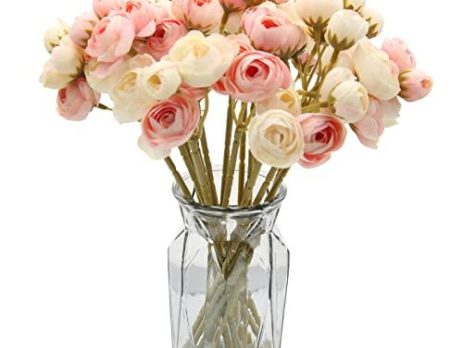
Artificial Ranunculus Flowers
Artificial Ranunculus Flowers: A Timeless Way to Refresh Your Home
Artificial ranunculus flowers bring the layered beauty of fresh blooms into your home without the upkeep that real flowers require. Their full petals, soft shape, and cheerful color make them a natural fit for many decorating styles, from modern farmhouse to classic traditional. If you love the look of fresh arrangements but want something that lasts, silk flowers inspired by ranunculus are a practical and attractive option.
These blooms work well in everyday décor, seasonal displays, and special occasions. They can add softness to a dining table, brighten a console in the entryway, or bring color to a bedroom nightstand. Because they do not need water or trimming, they’re especially helpful for busy homes, rental spaces, and rooms that do not get enough natural light for live plants.
What Makes Artificial Ranunculus Flowers So Popular?
Ranunculus flowers are known for their dense, ruffled petals and elegant shape. In artificial form, they can offer the same visual appeal with far less maintenance. Many people choose them because they want a flower that looks polished year-round, even in spaces where fresh arrangements are inconvenient.
High-quality faux blooms can be surprisingly realistic. The best versions often use layered petals, natural-looking color variation, and flexible stems that help the flower sit more naturally in a vase or arrangement. When chosen carefully, silk flowers that look real can blend into a room just like the fresh version would.
Why homeowners like them
- Low maintenance: No watering, pruning, or replacing wilted stems.
- Long-lasting: They can be used for years with proper care.
- Versatile: Suitable for centerpieces, shelf décor, and mixed bouquets.
- Budget-friendly over time: A quality arrangement can be reused for multiple seasons.
How to Choose Realistic Artificial Ranunculus Flowers
Not all faux flowers are made the same. Some look polished and convincing, while others can appear stiff or overly shiny. If you want an arrangement that feels natural in your home, focus on a few important details.
Look at the material
Silk ranunculus flowers are commonly made from silk, polyester, fabric blends, or other synthetic materials. The term “silk flowers” is often used broadly, even when the petals are not made of actual silk. The key is how the material looks and feels: it should have a soft finish rather than a plastic shine.
Check the petal detail
Realistic blooms usually have layered petals with subtle variation in shape and color. A flower with too many identical petals can look repetitive. Natural-looking ranunculus often feature a fuller center and slightly open outer petals, which gives them dimension.
Pay attention to the stems
Flexible stems are helpful because they let you bend and position the flower naturally. This makes it easier to fit the stems into a vase, foam block, or mixed bouquet. If the stems are too rigid, the arrangement may look forced.
Choose colors that suit your space
White, blush, cream, coral, peach, and soft pink are common ranunculus colors that work in many homes. Deeper shades can be beautiful too, especially in fall or winter décor. If your space already has bold furniture or patterned textiles, consider softer blooms to keep the look balanced.
Best Ways to Use Artificial Ranunculus Flowers in Home Decor
Artificial ranunculus flowers are versatile enough to work in nearly every room. The key is choosing the right scale, color, and container for the space. A few stems in a simple vase can make just as much of an impact as a large centerpiece if the styling is intentional.
Dining table centerpieces
Ranunculus flowers are ideal for dining tables because their rounded shape creates a full, welcoming look without feeling overly formal. Place them in a low vase so guests can talk across the table without obstruction. If you want more visual depth, combine them with eucalyptus, ferns, or other faux greenery.
For everyday tables, try a compact arrangement with 3 to 7 stems. For holidays or gatherings, use a larger grouping in a weighted vase to keep everything stable.
Living room mantels and shelves
A mantel is a great place for artificial flowers because it often needs a soft focal point. Ranunculus blooms can add color and movement to a mantel display without overwhelming the room. Pair them with candles, framed art, or a stack of books for a balanced composition.
If your mantel is above a working fireplace, be sure to keep faux flowers safely away from open flames, heat vents, and hot surfaces.
Bedroom accents
Small floral arrangements can make a bedroom feel calmer and more finished. A few ranunculus stems in a narrow vase on a nightstand can soften the room without taking up much space. On a dresser or vanity, they can add a touch of color that feels intentional but not fussy.
Bedrooms with limited natural light are especially good candidates for artificial plants and flowers because you can enjoy the look of greenery and blooms without worrying about sunlight or watering.
Entryways and console tables
An entryway arrangement sets the tone for the rest of the home. Artificial ranunculus flowers can create a warm first impression, especially when paired with a mirror, lamp, or bowl for keys. If your entryway gets strong afternoon sun through a nearby window, faux flowers may hold their look better than real blooms that would fade or wilt quickly.
Kitchen and breakfast nook styling
Small faux flower arrangements can be a nice finishing touch in kitchens and breakfast nooks, especially where fresh flowers may not last long. Keep arrangements away from stovetops, sinks, and food prep areas. A compact vase of ranunculus flowers can add charm without cluttering the space.
How to Arrange Artificial Ranunculus Flowers Step by Step
Creating a polished arrangement does not require professional skills. A few simple steps can help your flowers look more natural and balanced.
- Choose the right container. Use a vase, pitcher, ceramic vessel, or decorative jar that fits the size of the stems.
- Decide on the style. Choose whether you want a minimal single-variety look or a fuller mixed bouquet with greenery.
- Prepare the stems. Bend or trim the stems if needed so they sit at different heights. This creates a more natural silhouette.
- Start with the focal blooms. Place the largest or fullest ranunculus flowers first to establish the shape of the arrangement.
- Add support flowers and greenery. Fill gaps with smaller blooms or leaves to make the arrangement feel complete.
- Adjust the spacing. Step back and look at the arrangement from different angles. Move stems so the bouquet feels balanced rather than crowded.
- Finish with a natural touch. Slightly angle a few blooms outward or downward to avoid a stiff, overly symmetrical look.
If you’re styling silk flowers in vase arrangements, a weighted vase or floral foam can help keep stems in place, especially if the vessel is tall or narrow.
Mixing Artificial Ranunculus with Other Decor Elements
Artificial ranunculus flowers can stand alone, but they also pair beautifully with other home décor pieces. The goal is to create a vignette that feels curated, not crowded.
With greenery
Ranunculus blooms look especially nice with eucalyptus, dusty miller, olive branches, or soft fern stems. Greenery adds contrast and makes the flowers feel more lifelike. This is a helpful trick if you want the arrangement to look fuller without using too many flowers.
With candles
Candles and flowers can create a cozy look on a sideboard or table. Just make sure faux petals, ribbon, and greenery are kept far enough away from open flames. Even with flameless candles, it is best to leave enough space so heat does not affect the flowers over time.
With seasonal décor
Ranunculus flowers are versatile enough to fit spring, summer, and even holiday displays. In spring, pair them with soft pastels and light ceramics. In fall, use deeper tones with warm wood, amber glass, or brass accents. This flexibility makes them a smart choice if you like changing décor through the year.
Care and Cleaning Tips for Faux Flowers
One reason people love artificial flowers is that they are easy to care for. Even so, a little maintenance goes a long way toward keeping them attractive. Dust and household grime can build up over time, especially in high-traffic rooms or near vents.
Regular dusting
Use a soft microfiber cloth, feather duster, or clean makeup brush to remove dust from petals and leaves. Light dusting every couple of weeks is often enough for flowers displayed in open rooms.
Gentle cleaning
If the flowers need more than dusting, wipe them carefully with a damp cloth. For stubborn buildup, use a mild soap solution and test a small area first. Avoid soaking the flowers in water unless the manufacturer specifically says it is safe.
Storage tips
When you are not using your flowers, store them in a cool, dry place away from direct sunlight and moisture. A box with tissue paper or breathable wrapping can help prevent bending and dust accumulation. If you live in a humid area, such as the Gulf Coast or Southeast, dry storage is especially important.
Where Artificial Ranunculus Flowers Work Best
These flowers fit many real-life situations in American homes. They are especially useful in places where fresh flowers are impractical or where décor needs to hold up over time.
- Rental homes: Great for adding style without making permanent changes to drywall or fixtures.
- Vacation homes: They keep rooms looking finished between visits.
- Home offices: A small floral accent can make a workspace feel more inviting.
- Covered patios: Faux flowers may be useful in shaded outdoor-adjacent spaces, but they should only be used outside if they are specifically made for outdoor exposure.
- Guest rooms: They create a welcoming look without extra upkeep.
If you plan to place faux flowers near a sunny window or on a patio, consider whether the product is designed to handle light exposure. Some artificial plants and flowers can fade over time in strong direct sun. UV-resistant options are made to better withstand that condition, though they still benefit from sensible placement.
Common Styling Mistakes to Avoid
Artificial flowers can look beautiful when styled well, but a few simple mistakes can make them appear less realistic. Avoiding these issues can help your arrangement look cleaner and more intentional.
- Using too many identical stems: Vary height and angle so the arrangement feels natural.
- Choosing a vase that is too large: Oversized containers can make a small bouquet look sparse.
- Ignoring scale: Tiny flowers may disappear on a large mantel, while oversized arrangements can overwhelm a narrow shelf.
- Leaving them dusty: Even the most realistic faux blooms can look dull if not cleaned occasionally.
- Placing them too close to heat: Keep them away from fireplaces, ovens, and candles.
Artificial Ranunculus Flowers vs. Fresh Flowers
Fresh ranunculus flowers have a scent and natural variation that many people love. But artificial versions offer convenience and consistency. If you want a display that always looks ready for guests, faux blooms can be a smart choice.
Fresh flowers are ideal for special events and when fragrance is important. Artificial flowers make more sense for long-term decorating, busy households, or rooms that are difficult to maintain. Many people use both: fresh flowers for special occasions and realistic faux flowers for everyday styling.
Helpful tip: If you want an arrangement that feels especially natural, combine a few realistic faux ranunculus blooms with real greenery or seasonal branches. This can soften the look and add variation.
Frequently Asked Questions
Q: What makes artificial ranunculus flowers look realistic?
A: Realistic faux ranunculus flowers usually have layered petals, natural color variation, and flexible stems. A matte or soft finish also helps them look more like fresh blooms than plastic décor.
Q: Can silk flowers be used outdoors?
A: Some can, but only if they are specifically made for outdoor use or labeled UV-resistant. Regular faux flowers may fade, warp, or become brittle when exposed to direct sun, rain, or humidity.
Q: How do you clean artificial ranunculus flowers?
A: Dust them regularly with a soft cloth, brush, or microfiber duster. For deeper cleaning, wipe gently with a damp cloth and mild soap if needed, then let them air dry fully.
Q: Are artificial flowers safe near candles?
A: They should be kept away from open flames, hot bulbs, and heat sources. Even if the material does not ignite easily, heat can damage the petals or stems.
Q: How long do high-quality faux flowers last?
A: With proper care, high-quality artificial flowers can last for years. Their lifespan depends on where they are displayed, how much sunlight they receive, and how well they are cleaned and stored.
Q: Can I mix real and artificial flowers in one arrangement?
A: Yes, many people do this to create a fuller, more natural look. Mixing fresh blooms with faux greenery or silk flowers can help stretch a floral budget while still looking polished.
Q: Do artificial flowers fade in sunlight?
A: They can fade over time if placed in strong direct sunlight. If you want to display them near a bright window or outdoors, look for UV-resistant products and rotate them when possible.
Q: What is the best vase style for ranunculus flowers?
A: A simple vase that complements the size of the stems usually works best. Low vases are great for table centerpieces, while taller vases can suit entry tables or mantels if the stems are arranged with care.
Conclusion
Artificial ranunculus flowers are a charming, practical way to bring color and softness into your home. With realistic styling, thoughtful placement, and a little care, they can enhance nearly any room without the upkeep of fresh blooms. Whether you use them in a vase on the dining table or as a subtle accent in the bedroom, they offer an easy way to keep your décor looking fresh and inviting.