Fake Vine Plants
Fake Vine Plants: A Simple Way to Add Greenery Without the Maintenance
Fake vine plants have become a favorite home décor solution for people who want the look of greenery without the daily care that real plants require. Whether you live in a house, apartment, condo, or work from a home office, faux vines can soften a space, add color, and make a room feel more finished. For many people, they are not just a convenient substitute for live plants—they are the practical choice that actually fits real life.
If you have ever brought home a real plant with the best intentions, only to overwater it, underwater it, or forget it exists for two weeks, you are not alone. Artificial plants indoor are popular for exactly that reason: they deliver the visual appeal of greenery without asking for sunlight, drainage, fertilizer, or a watering schedule. That makes fake vine plants especially useful in busy homes, low-light rooms, and spaces where upkeep is hard to manage.
Why Fake Vine Plants Work So Well in Home Décor
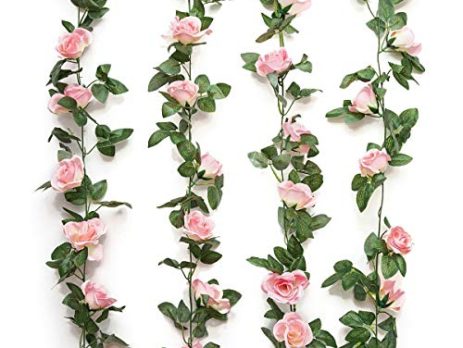
Vines are naturally flexible, which makes them easy to style. They can be draped over cabinets, wrapped around banisters, layered across shelves, or tucked around mirrors and headboards. Unlike potted plants, they do not need floor space, and they can fill awkward gaps that would otherwise feel empty.
That versatility is one reason faux greenery shows up in so many different decorating styles. A strand of ivy can soften a modern kitchen, while eucalyptus garland can make a mantel feel calmer and more polished. Even a small amount of greenery can change how a room feels by breaking up hard edges and adding movement to a space.
Fake vine plants are also useful in rooms where natural light is limited. Basements, interior bathrooms, hallways, and offices often struggle to support live plants. Faux options let you enjoy the look of plant life anywhere, including places where real greenery would struggle or fail.
What Makes Faux Vines Look More Realistic
Not all fake plants are created equal. Some look obviously artificial, while others are surprisingly close to the real thing. If you are shopping for fake plants that look real, a few details make a big difference.
Look for variation
Real vines are not perfectly uniform. Better faux versions often include slight color changes, leaf size differences, and natural-looking bends in the stems. That variation helps them feel less manufactured.
Check the finish
Very shiny plastic leaves can look unrealistic, especially in bright light. A more matte or softly textured finish usually reads as more natural. Some faux plants also include subtle imperfections that mimic the look of real foliage.
Consider leaf shape and scale
Smaller details matter. The leaf shape should match the type of plant you want to imitate, and the scale should suit the space. A delicate vine may look best on a shelf or mirror, while a fuller garland can work well over cabinets or along a banister.
Pay attention to construction
Stems that can bend and hold shape are easier to style. Flexible wire inside the vine can help you position it more naturally, especially when wrapping around objects or creating drape.
Best Places to Use Fake Vine Plants
One of the biggest benefits of faux greenery is how easy it is to place almost anywhere. Still, some areas work especially well.
Kitchen cabinets
The space above kitchen cabinets is a common place for fake vine plants. It is often too high for everyday use but visually noticeable, which makes it ideal for decorative greenery. A single strand or two can soften the hard lines of cabinetry and fill empty space without cluttering the room.
Bookshelves and wall shelves
Trailing vines can add dimension to shelves and make styled bookcases feel more relaxed. They work well when mixed with books, framed art, baskets, or ceramic objects. For drywall walls with shelves installed into them, make sure decorative attachments do not exceed the weight limit of your hardware.
Bathroom mirrors
A small vine around a mirror can bring life to a bathroom, especially one with minimal natural light. Just be mindful of moisture and steam if you are using a lower-quality material that may not hold up as well in humid conditions.
Home offices
Fake vine plants are especially popular in home offices because they add a soothing visual cue without adding another chore to your day. A strand over a monitor, around a shelf, or along a desk divider can make a workspace feel less sterile and more inviting.
Patio and covered outdoor areas
Some artificial plants are made for outdoor use, but not all are designed to handle sun exposure, heat, wind, or rain. If you plan to use faux greenery on a covered patio, check whether the product is intended for outdoor conditions. Even then, long-term exposure to sunlight can cause fading over time.
How to Style Fake Vine Plants So They Look Intentional
Good styling matters. A vine that is simply tossed in place can look unfinished, while a little effort can make it appear much more natural. Here is a simple process to follow.
- Start with a clean surface. Dust shelves, cabinets, and ledges first so the greenery sits in a neat setting.
- Unpack and fluff the vine. Separate leaves, gently bend stems, and loosen any compressed sections from shipping.
- Decide on the direction. Choose whether the vine should trail down, flow across, or frame an object like a mirror or shelf.
- Anchor the vine discreetly. Use clear removable hooks, floral wire, or small clips where appropriate. Avoid damaging drywall or painted surfaces.
- Adjust for balance. Step back and check whether the vine feels evenly distributed. A few gaps can actually make it look more natural.
- Mix textures if needed. Pair vines with other faux greenery, books, pottery, or woven baskets for a layered look.
If you want a softer, fuller look, combine more than one type of greenery. For example, ivy and eucalyptus can create a nice contrast in shape and texture. The goal is to make the arrangement feel easy, not overly perfect.
How to Clean Fake Vine Plants
Fake vine plants do not need watering, but they do need occasional cleaning. Dust is the most common issue, especially on shelves, mantels, and over cabinets where buildup can happen unnoticed.
Here is a practical cleaning routine:
- Dust lightly every few weeks. Use a feather duster, microfiber cloth, or soft brush.
- Wipe when needed. For more stubborn dust, use a slightly damp cloth and gently clean each leaf.
- Check care instructions first. Some faux plants may have coatings or materials that should not be soaked.
- Let them dry fully. If you wash them, allow the vines to dry completely before rehanging or storing.
For heavier dust, some people rinse faux vines carefully in the sink or shower, but that is not right for every product. If you do this, avoid rough handling and make sure the material can tolerate water. Never use harsh cleaners or strong chemicals unless the manufacturer specifically says they are safe.
Safety Tips to Keep in Mind
Fake greenery is convenient, but it still deserves some practical safety considerations. One important note: keep faux plants away from open flames, candles, fireplace openings, and heat sources. Many artificial materials can melt, warp, or ignite if exposed to enough heat.
If you have pets or children, choose products carefully. Cats and dogs may chew on leaves or stems out of curiosity, and some faux plant materials, dyes, or decorative coatings may not be safe to ingest. If a plant is going in reach of a curious pet, look for simple designs without loose parts and keep an eye on wear and tear.
Also, if you are hanging vines on drywall, use appropriate hardware for the weight and surface. Removable hooks are often a good option for lighter décor, but heavier arrangements may need more secure support. Always follow the product’s installation guidance and the limits of your wall anchors.
How Fake Vine Plants Compare to Real Plants
Real plants offer benefits that fake ones cannot match, including air-purifying potential in some settings and the satisfaction of caring for something living. But they also require consistency, the right amount of light, and a willingness to deal with soil, pests, and dead leaves.
Fake vine plants are better suited for people who want a low-maintenance décor solution. They are especially helpful if:
- You travel often
- Your room gets very little natural light
- You have trouble keeping plants alive
- You want a cleaner option for certain spaces
- You like changing your décor often
In many homes, the best choice is a mix of both. Real plants can bring life to certain windowsills or sunny spots, while faux greenery fills the harder-to-manage areas that would otherwise stay bare.
How to Shop Smart for Faux Greenery
If you are buying fake vine plants online or in a store, keep shipping and storage in mind. Vines that arrive tightly packed may need time to relax after unpacking. Shipping damage can sometimes bend stems or compress leaves, so inspect items as soon as they arrive.
Before you buy, consider these factors:
- Length: Measure the space you want to decorate before ordering.
- Color: Make sure the shade works with your room’s paint, wood tones, and decor.
- Indoor or outdoor use: Confirm whether the product is suitable for the location you have in mind.
- Maintenance: Look for materials that are easy to dust and reshape.
- Attachment method: Decide how you will hang or secure the vine safely.
If you are shopping for fake plants indoor, it also helps to think about scale. A tiny vine may disappear in a large room, while an oversized garland can overwhelm a small apartment. Choose something that fits the proportions of the space.
Creative Ways to Use Fake Vine Plants in Everyday Spaces
Some of the best décor ideas are the simplest. A vine draped across a bookshelf can make a reading nook feel calmer. A strand framing a mirror can help a bathroom feel less plain. A few artificial plants indoor can make a workspace feel less like a cubicle and more like a place you actually want to sit for eight hours.
Here are a few easy ideas:
- Drape ivy across kitchen cabinets for a softer look
- Frame a mirror with eucalyptus for a spa-like feel
- Layer vines on floating shelves with books and candles
- Use faux greenery on a mantel for year-round styling
- Run a vine along a headboard for a simple bedroom accent
That last idea works especially well if you want your bedroom to feel more finished without adding clutter. A little greenery can make a room seem calmer and more cohesive, even when the décor is minimal.
Frequently Asked Questions
Q: Can fake vine plants be used outdoors?
A: Some can, but only if they are specifically made for outdoor use. Sun, wind, moisture, and temperature changes can cause fading or damage over time. For a covered patio, check the product details carefully before hanging anything outside.
Q: How do I clean fake vine plants?
A: Start by dusting with a microfiber cloth, feather duster, or soft brush. If needed, wipe gently with a damp cloth and let the vine dry completely before using it again. Always check the care instructions first so you do not damage the material.
Q: Do fake plants fade in sunlight?
A: Yes, many artificial plants can fade if they are exposed to direct sunlight for long periods. That is especially true for pieces placed in bright windows or on uncovered patios. If the plant will get strong sun exposure, look for products designed to resist fading.
Q: Are fake vine plants safe near candles?
A: They should be kept away from candles, fireplaces, and other open flames. Many faux plants are made from synthetic materials that can melt or catch fire if they get too hot. It is best to leave a safe buffer zone around any heat source.
Q: What makes fake plants that look real feel more believable?
A: Natural color variation, matte finishes, realistic leaf shapes, and flexible stems all help. The best arrangements also match the size and style of the room. A little shaping after unpacking can make a big difference.
Q: Can I mix real and artificial plants in the same room?
A: Yes, and many people do. Real plants can go in bright, easy-to-care-for spots while faux vines fill darker corners or high shelves. Mixing both can make a room feel balanced and still keep maintenance manageable.
Q: How long do high-quality faux flowers or greenery last?
A: With normal indoor use and basic cleaning, they can last for years. Longevity depends on material quality, sun exposure, and how often they are moved or handled. Proper storage also helps extend their life.
Q: Are artificial plants indoor a good choice for busy homes?
A: Yes, they are one of the easiest ways to add greenery without ongoing care. They work especially well in homes where time, light, or plant-care experience is limited. They can also be a smart choice for offices and shared spaces.
Conclusion
Fake vine plants are a practical, flexible way to bring greenery into your home without adding more chores to your day. Whether you want to soften a kitchen, brighten a desk, or fill an awkward wall space, faux greenery can make a room feel more welcoming with very little upkeep. For many people, that balance of style and simplicity is exactly what makes them worth it.