Silk Fern Plants
Silk Fern Plants: A Lush, Low-Maintenance Decor Solution
Silk fern plants have become a favorite choice for American homes, offices, and event spaces for one simple reason: they bring the look of fresh greenery without the upkeep. If you love the soft, airy texture of ferns but do not want to deal with watering schedules, dropped fronds, or plant care stress, a well-made silk fern can be a practical and attractive option.
In spaces where natural light is limited, humidity is low, or regular maintenance is difficult, faux greenery can make a room feel finished and inviting. From a small apartment with north-facing windows to a busy corporate lobby, silk ferns offer a flexible way to add color and texture. They also work well alongside other silk flowers and decorative stems for layered arrangements that feel natural and polished.
Why Silk Fern Plants Are So Popular
Artificial greenery has grown steadily in popularity because it solves common decorating problems. Live plants can be beautiful, but they are not always practical for every household or workplace. Silk fern plants help fill that gap.
They look realistic from a normal viewing distance
Modern faux foliage is much better than older plastic-looking versions many people remember. Quality silk ferns often have layered fronds, subtle color variation, and natural shaping that helps them blend into real-world décor. When placed on a bookshelf, in a basket, or in a corner planter, they can create the same visual softness people want from live plants.
They do not need ongoing plant care
No watering, no fertilizer, no trimming, and no worrying about whether the soil is too dry or too wet. That makes silk ferns especially useful for busy families, frequent travelers, office managers, and anyone who has struggled to keep live plants healthy.
They can help reduce allergy concerns
Because they do not produce pollen or shed plant material in the same way live ferns do, silk versions may be a better fit for allergy-sensitive spaces. That can be helpful in waiting rooms, conference areas, bedrooms, and shared living rooms.
They work in places live plants may struggle
Think of a drywall-walled apartment corner that gets very little sunlight, a covered patio, or an office space with fluorescent lighting. These are all places where faux greenery can be a smart solution. In settings like these, a silk fern can provide the visual effect of a healthy plant without depending on growing conditions.
Common Types of Silk Fern Plants
Silk fern plants come in many shapes and styles, and the best choice depends on the look you want. Here are a few familiar options often used in American interiors.
Boston Fern
Boston ferns are known for their soft, feathery fronds and graceful drape. In silk form, they work well in hanging baskets, wall planters, and tabletop containers. This style is often a good match for traditional, cottage, or transitional décor.
Maidenhair Fern
Maidenhair ferns have a lighter, more delicate appearance. Their smaller leaf structure can add elegance to wedding décor, entry tables, bathroom shelves, or minimalist arrangements. They are a good choice when you want a refined look rather than a full, bushy silhouette.
Asparagus Fern
Although not a true fern in the botanical sense, asparagus fern is often grouped with fern-style greenery in décor. It has a looser, more airy look that works well in rustic, farmhouse, and casual interiors. It can also soften a display of silk flowers by adding movement and texture.
What Makes a Silk Fern Look Realistic?
If you are shopping for realistic faux plants, it helps to know what details matter most. A high-quality silk fern does not need to fool a botanist, but it should look convincing in your home or business.
- Natural color variation: Real plants are not one flat shade of green. Better faux ferns often have subtle shifts in tone.
- Layered fronds: Fronds that overlap and vary in direction create a fuller, more natural look.
- Flexible stems: Bendable stems make it easier to shape the plant for your space.
- Matte finish: Too much shine can make faux greenery look artificial.
- Appropriate scale: A fern that is too large or too small for the room can look out of place.
If you are comparing different options, remember that “realistic” usually means the plant looks believable at a glance and in everyday use. It does not mean every frond will replicate the exact texture of a living fern.
How to Style Silk Fern Plants in Your Home
One of the best things about silk fern plants is how easy they are to style. They can soften modern spaces, bring life to darker corners, and balance harder surfaces like wood, metal, glass, and drywall.
Use them to fill awkward spaces
Every home has spots that feel unfinished: next to a fireplace, beside a TV stand, on top of a tall cabinet, or in a narrow hallway. A silk fern can break up empty space without requiring sunlight or regular upkeep.
Place them in baskets, pots, or wall planters
The container matters just as much as the greenery. A woven basket adds warmth, a ceramic pot feels clean and modern, and a wall-mounted planter can save floor space in small apartments. Choose a container that fits your room’s style rather than treating the fern as a standalone item.
Mix them with other faux greenery
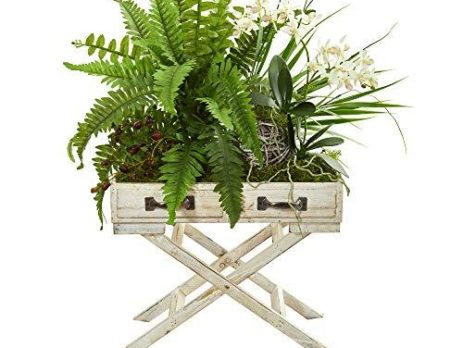
Silk ferns pair nicely with other artificial plants and silk flowers for arrangements. For example, a fern can act as a textured backdrop behind blooms in a vase, or it can soften the edges of a larger display on a shelf or console table.
Think about lighting and sun exposure
Even though silk ferns do not need sunlight to survive, prolonged direct sun can fade some materials over time. If you want to place one near a bright window, patio door, or sunroom, check whether the product is suitable for that level of exposure. For outdoor or bright semi-outdoor areas, UV-resistant faux plants are often the better choice.
How to Arrange a Silk Fern for a Natural Look
If your fern arrives compressed in packaging or looks too stiff out of the box, a little shaping can make a big difference. Here is a simple way to make it look more realistic.
- Remove it from the packaging carefully. Avoid pulling on the fronds, since that can bend or crease them.
- Fluff the stems gently. Separate the fronds by hand so they spread naturally instead of sitting in a tight cluster.
- Bend the stems outward. Shape them in different directions to mimic the irregular growth of a live fern.
- Rotate the plant in its container. Make sure the front does not look too flat and the back is not overexposed.
- Add filler if needed. Moss, pebbles, or decorative soil can help cover the base and make the arrangement feel more finished.
If you are creating a larger display, place the fern first, then build around it with smaller faux plants or silk flowers. This helps the greenery feel intentional rather than crowded.
Where Silk Fern Plants Work Best
Silk fern plants are versatile enough for many settings across the United States. Their flexibility is one reason they are so popular.
Homes
In living rooms, bedrooms, bathrooms, and entryways, silk ferns add softness without creating chores. They are especially useful in rooms with limited natural light or inconsistent temperatures.
Offices
In offices, faux plants can improve the feel of a space without adding maintenance tasks for staff. They are often used in lobbies, conference rooms, reception desks, and private offices.
Restaurants and retail spaces
Businesses use faux greenery because it stays consistent from day to day. It also helps create a welcoming atmosphere without requiring special care during busy hours.
Events and weddings
Silk ferns can be useful for centerpieces, aisle décor, and backdrop styling. They are easy to move, reuse, and coordinate with other artificial plants or silk flowers. For event planning, that can be a practical way to achieve a full floral look with less worry about wilting.
A Real-World Example: Office Décor in Austin
Consider a busy corporate office in downtown Austin, Texas. The team wanted a greener, more comfortable work environment, but live plants were creating ongoing maintenance costs and care issues. By switching to high-quality silk ferns and other artificial greenery, they were able to reduce plant-care demands and keep the office looking polished throughout the year.
That kind of change is common in commercial spaces. The appeal is not just visual. It is also about consistency, reduced upkeep, and fewer concerns about plant health, allergens, or sunlight limitations.
How to Clean Silk Fern Plants
Keeping faux greenery looking fresh is usually simple. A little regular care goes a long way, especially in homes with dust, ceiling fans, pets, or HVAC vents.
Basic cleaning steps
- Dust weekly or as needed. Use a microfiber cloth, a soft brush, or a handheld duster.
- Use cool air for hard-to-reach areas. A blow dryer on a cool setting can help remove dust from between fronds.
- Spot clean when necessary. If the plant has buildup, lightly wipe it with a damp cloth and dry it fully afterward.
- Use a cleaner made for artificial plants if appropriate. Always follow the product’s instructions and test a small area first.
Avoid harsh chemicals, high heat, or abrasive scrubbing, since those can damage the material or affect the color. If the fern is used outdoors or near a patio door, check it more often because dust, pollen, and outdoor debris can build up faster.
Are Silk Fern Plants Good for Outdoor Use?
Some silk fern plants can be used in sheltered outdoor spaces, but not all are built for direct exposure. If you want faux greenery for a covered porch, screened patio, or balcony, look for materials that are specifically designed to handle sunlight and weather better than standard indoor décor.
Keep in mind that even outdoor-rated faux plants can be affected by weather over time. Heavy rain, strong wind, and prolonged sun can still cause wear. For best results, place them in protected areas and bring them inside when severe weather is expected.
Safety Tips for Using Faux Greenery
Silk fern plants are decorative, but they still deserve practical placement. A few simple safety habits can help protect both your décor and your home.
- Keep faux greenery away from open flames. Do not place silk plants too close to candles, fireplaces, fire pits, or space heaters.
- Use stable containers. A lightweight plant can tip if the pot is too narrow or top-heavy.
- Avoid blocking vents or exits. Decorative arrangements should never interfere with airflow or access.
- Check outdoor placement. On patios or balconies, secure lightweight containers so wind does not knock them over.
How Silk Ferns Compare to Live Plants
Live ferns bring the benefits of real plant life, but they also require consistent watering, the right light, and ongoing attention. Silk ferns do not offer the same biological benefits, but they do solve many practical problems.
If your priority is long-term appearance and convenience, faux greenery may be the better choice. If you enjoy caring for plants and have the right environment for them, live ferns can still be wonderful. Many households use both: live plants in sunny areas and silk ferns in spaces where real plants struggle.
Choosing the Right Silk Fern for Your Space
Before buying, take a few minutes to think about the room where the plant will live. That small step can help you choose a fern that looks natural and fits your décor.
- Measure the space: Know the height, width, and depth available.
- Match the style: Choose a full Boston fern for a classic look or a lighter maidenhair fern for something more delicate.
- Think about the container: Your planter should suit the room and the scale of the plant.
- Consider placement: Bright windows, dim corners, patios, and office desks all call for different choices.
- Look at material quality: Better construction usually means a more natural appearance and longer-lasting use.
Frequently Asked Questions
Q: Can silk fern plants be used outdoors?
A: Some can, especially in covered or protected spaces, but not all are designed for outdoor exposure. Look for UV-resistant materials if the plant will sit near sunlight, and avoid placing it where heavy rain or strong wind could damage it.
Q: Do artificial plants fade in sunlight?
A: Yes, many artificial plants can fade over time if exposed to direct sun. UV-resistant options help slow that process, but even those should be placed thoughtfully to extend their life.
Q: How do you clean silk fern plants?
A: Dust them regularly with a microfiber cloth, soft brush, or cool-air dryer. For deeper cleaning, wipe gently with a damp cloth and let the plant dry fully before putting it back on display.
Q: Are silk fern plants safe near candles?
A: It is best to keep faux greenery away from open flames, including candles and fireplaces. Silk materials can be flammable, so use extra caution in decorative setups.
Q: What makes silk flowers and faux greenery look realistic?
A: Natural color variation, layered shapes, matte finishes, and good proportions all help artificial décor look more believable. The best pieces are usually those that mimic how real plants appear from normal viewing distance.
Q: Can you mix real and artificial plants in one arrangement?
A: Yes, and many decorators do this successfully. Mixing real and faux pieces can create a fuller look, especially when the artificial items are placed toward the back or used as structure around the real plants.
Q: How long do high-quality faux plants last?
A: Lifespan depends on material quality, sunlight exposure, and care. With gentle cleaning and careful placement, a good faux plant can stay attractive for years.
Q: Are silk fern plants a good choice for offices?
A: Yes, they are often a practical option for offices because they add greenery without requiring watering or maintenance. They also work well in areas where light is limited or where live plants would be hard to manage.
Conclusion
Silk fern plants are a smart, low-maintenance way to bring greenery into American homes and workplaces. They fit into many design styles, work in challenging spaces, and pair easily with other faux greenery and silk flowers. If you want the look of lush foliage without the ongoing care, a well-placed silk fern can make a room feel calmer, softer, and more complete.