Artificial Grass Plants
Artificial Grass Plants: A Smart Alternative to Natural Greenery
Artificial grass plants have come a long way from the stiff, obviously fake products many people remember. Today, they can offer a realistic, low-maintenance way to bring greenery into a home, patio, office, or commercial space without the ongoing work that natural grass requires. For busy homeowners, renters, property managers, and business owners in the United States, faux greenery can be a practical solution that still looks polished and inviting.
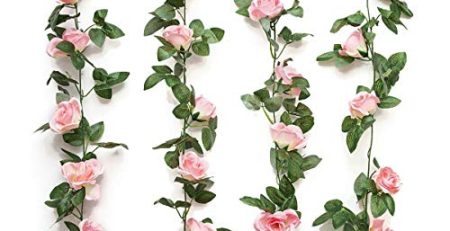
While the term artificial grass plants can refer to synthetic turf or decorative faux greenery designed to resemble grass, the appeal is the same: you get the look of healthy, green plant life without watering, mowing, fertilizing, or worrying as much about seasonal weather. When paired with other décor elements such as silk plants or realistic faux flowers, artificial grass can help create a finished, well-designed space.
What Artificial Grass Plants Are and Why People Use Them
Artificial grass plants are made from synthetic materials designed to mimic the color, shape, and texture of natural grass. Depending on the product, they may be used as turf for lawns, decorative mats for patios, or accent pieces in landscaping and interior design. Many are made with materials such as polyethylene, polypropylene, or nylon, and some include UV-resistant treatments to help reduce fading from sunlight.
People choose artificial grass for several reasons:
- It stays green throughout the year.
- It cuts down on routine lawn care.
- It can help reduce water use.
- It may be useful in dry climates or areas with water restrictions.
- It can improve the look of spaces where real grass struggles to grow.
In many homes, artificial grass is part of a broader low-maintenance design approach that includes faux greenery, indoor-outdoor décor, and durable materials that can handle everyday use.
Key Benefits of Artificial Grass Plants
Low Maintenance
One of the biggest reasons people switch to artificial grass is the reduced upkeep. There is no mowing, edging, watering, or fertilizing. For a homeowner with a packed schedule, that can mean more time enjoying the yard instead of working on it.
Cost Savings Over Time
Although the upfront cost can be higher than seeding or sod, artificial grass may save money over time by reducing lawn service, watering, fertilizer, and equipment expenses. This can be especially helpful in regions where water costs are high or where landscaping services are frequently needed.
Water Conservation
In many parts of the country, especially the Southwest and other dry regions, water conservation is a major concern. Artificial grass does not require irrigation, which can make it an appealing option for drought-prone areas or for homeowners looking to reduce outdoor water use.
Durability in Busy Spaces
Artificial grass can handle foot traffic well, which is why it is often used for play areas, pet zones, and commercial settings. It can also be a good choice for balconies, rooftop gardens, and patios where natural grass would be difficult to maintain.
Allergy-Friendly Landscaping
For people sensitive to pollen or lawn-related allergens, faux greenery can be a more comfortable alternative. It creates a green look without adding seasonal grass pollen to the environment.
Where Artificial Grass Plants Work Best
Artificial grass is versatile, which is part of its appeal. It can be used in a variety of places around the home and in public spaces.
Residential Lawns
Many homeowners use artificial grass to create a neat, evergreen lawn that looks tidy year-round. This can be especially useful in front yards, side yards, or backyard spaces that get heavy use from kids and pets.
Patios, Balconies, and Rooftops
Urban residents often use artificial grass to soften concrete patios, apartment balconies, and rooftop areas. It can make these spaces feel more inviting without the challenges of soil, irrigation, or drainage-heavy planting beds.
Commercial Properties
Office buildings, retail centers, and hospitality spaces often use artificial grass to maintain a clean appearance with less labor. It can be a practical choice for entryways, courtyards, and outdoor seating areas.
Play Areas and Pet Spaces
Families and pet owners often appreciate the easy cleanup and durability of artificial grass. It can stand up to frequent use, though it is still important to choose a product that drains well and is appropriate for the intended purpose.
Decorative Indoor Use
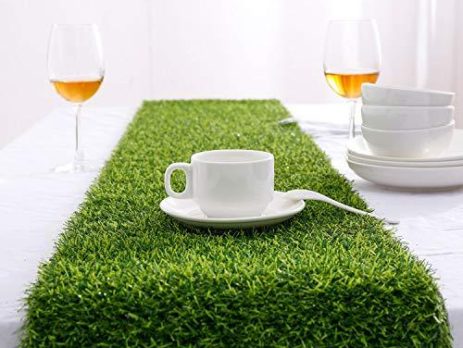
Some people also use artificial grass as a décor element indoors, such as in displays, seasonal arrangements, or accent areas. In these settings, it may be paired with silk flowers or other faux plants to create a cohesive look that feels fresh without much upkeep.
What to Look For When Choosing Artificial Grass
Not all artificial grass products are the same. The best choice depends on where you plan to use it and how realistic you want it to look.
Material Quality
Higher-quality synthetic fibers often look more natural and may hold up better over time. Polyethylene is commonly used for a softer feel, while nylon is known for durability. A well-made product should look consistent and withstand normal wear.
Pile Height
Pile height refers to how tall the blades are. Shorter pile often looks neater and may be easier to maintain, while taller blades can look more natural but may need brushing to stay upright. Think about whether you want a manicured lawn appearance or a softer, fuller look.
Drainage
Good drainage matters, especially for outdoor areas exposed to rain, washing, or pet use. If water cannot pass through properly, you may end up with puddling or odors. Always check whether the product is designed for the type of installation you need.
UV Resistance
Sun exposure can cause some artificial materials to fade over time. UV-resistant products are designed to hold their color better, which is especially helpful in sunny states like Arizona, Texas, Florida, and California. If the area gets strong afternoon sun, this feature is worth paying attention to.
Warranty and Product Details
Warranty terms vary widely, so it is smart to read the details carefully. Also check whether the product is intended for indoor use, outdoor use, or both. A faux plant designed for indoor styling may not be the best choice for full sun on a patio.
Artificial Grass vs. Real Grass: A Practical Comparison
Natural grass and artificial grass each have advantages, but they serve different needs.
- Real grass can feel cooler underfoot and offers a living landscape, but it requires more water, care, and maintenance.
- Artificial grass offers a stable look and lower upkeep, but it does not provide the same natural cooling or ecological functions as living plants.
If your goal is a polished look with minimal maintenance, artificial grass may be the better fit. If you want a living lawn and are prepared for the ongoing care, natural grass may still be preferable. Many homeowners use a mix of both, such as real plant beds with faux greenery in harder-to-manage areas.
How to Style Artificial Grass in a Home or Outdoor Space
Artificial grass can be more than a lawn replacement. It can also be part of a thoughtful décor plan. If you are using faux greenery in a porch setting, garden nook, or entryway, these steps can help the space look intentional rather than temporary.
Step 1: Start With the Base
Make sure the area is clean, level, and dry before installation. For patios or balconies, measure carefully so the grass fits neatly around railings, posts, or furniture legs.
Step 2: Add Structure
Use edging, planters, or furniture placement to define the space. Artificial grass looks best when it feels integrated into the design rather than placed randomly.
Step 3: Mix Textures
Pair faux grass with materials like wood, wicker, ceramic, or stone. If you are styling an indoor-outdoor room, combining artificial grass with silk plants or realistic faux flowers can add depth and make the area feel more complete.
Step 4: Keep the Color Palette Simple
Green faux turf can look more realistic when it is balanced with neutral furniture and a few natural-looking accents. Too many competing colors can make the space feel busy.
Step 5: Use Outdoor-Safe Accents
If the space will be in full sun or exposed to the weather, choose décor that is designed for outdoor use. Be cautious with items that can fade, warp, or trap moisture.
Safety note: Keep artificial greenery and faux grass away from open flames, fire pits, candles, and heaters unless the product is specifically rated for that use. Synthetic materials can melt or catch fire if exposed to high heat.
How to Clean and Maintain Artificial Grass Plants
Maintenance is usually simple, but it is not zero. A little care can help artificial grass look better for longer.
Routine Cleaning
- Remove leaves, dirt, and debris with a leaf blower, broom, or plastic rake.
- Rinse the surface occasionally with water to remove dust or light buildup.
- Brush the fibers if they start to flatten in high-traffic areas.
Spot Cleaning
For spills or pet messes, clean promptly according to the manufacturer’s guidance. Mild soap and water are often used for general cleaning, but it is important to avoid harsh chemicals that could damage the surface. Always check the product care instructions first.
Preventing Wear
If furniture will sit on top of artificial grass, use pads or relocate items periodically to reduce flattening. In sunny areas, choose UV-resistant products to help preserve appearance over time.
How Artificial Grass Fits Into a Broader Faux Greenery Design
Artificial grass is only one part of the faux plant world. Many people use it alongside realistic faux flowers, trailing vines, and silk flowers to create a layered look indoors or outdoors. This can be especially useful in spaces where real plants are hard to keep alive, such as a low-light living room, a hot sunroom, or a shaded patio.
For example, a homeowner might use artificial grass on a balcony floor, then add container arrangements with silk flowers and faux greenery at the corners to soften the edges. In a business setting, an office lobby might use artificial grass accents with potted artificial plants to create a welcoming first impression without adding weekly plant care.
Common Mistakes to Avoid
- Choosing the wrong product for the setting: Indoor décor grass may not stand up to direct sun or heavy rain.
- Ignoring drainage: Poor drainage can cause problems in outdoor and pet-friendly areas.
- Overdecorating: Too many faux elements can make a space look cluttered instead of polished.
- Skipping sunlight protection: Products without UV resistance may fade faster in bright areas.
- Using heat sources nearby: Synthetic materials should be kept away from flames and hot surfaces.
Is Artificial Grass Worth It?
For many people, yes. Artificial grass can be a smart investment if you want a consistently neat look, less maintenance, and lower water use. It is especially appealing in dry climates, small outdoor spaces, pet areas, and locations where natural grass struggles to thrive.
That said, the right choice depends on your priorities. If you value the feel and environmental role of living turf, natural grass still has advantages. If you want convenience, durability, and year-round color, artificial grass plants can be a practical solution that fits modern lifestyles.
Frequently Asked Questions
Q: Can artificial grass plants be used outdoors?
A: Yes, many are designed for outdoor use, but you should check whether the product is UV-resistant and made for weather exposure. Outdoor installation also works best when drainage is considered.
Q: Do artificial grass plants fade in sunlight?
A: Some can fade over time if they are exposed to strong sun without UV protection. UV-resistant products are designed to hold their color better in sunny locations.
Q: How do you clean artificial grass plants?
A: In most cases, you can remove debris with a broom, rake, or blower and rinse with water as needed. For spills or pet messes, follow the manufacturer’s care directions and avoid harsh cleaners unless approved.
Q: Are artificial grass plants safe near candles or fire pits?
A: They should be kept away from open flames and heat sources unless the product is specifically rated for that use. Synthetic materials can melt, discolor, or catch fire.
Q: What makes artificial grass look more realistic?
A: A more natural color blend, varied blade height, and quality materials can improve realism. Proper installation and regular brushing also help keep it looking fresh.
Q: Can artificial grass be used with silk flowers and other faux plants?
A: Yes, it often works well as part of a larger faux greenery design. Mixing artificial grass with silk flowers or artificial plants can create a layered, natural-looking style for patios, porches, and indoor displays.
Q: Is artificial grass a good choice for pet areas?
A: It can be, as long as the product is made for pet use and drains well. Easy cleanup and durability are major advantages, but regular maintenance is still important.
Q: How long does artificial grass usually last?
A: Lifespan varies by product quality, installation, and exposure to sun and wear. High-quality artificial grass can last for years when properly maintained, especially if it is designed for the intended environment.
Conclusion
Artificial grass plants offer a practical, attractive option for people who want greenery without the upkeep of a real lawn. Whether you are styling a patio, improving a commercial entryway, or creating a low-maintenance yard, the right product can deliver lasting visual appeal. With careful selection, proper installation, and simple maintenance, artificial grass can be a useful part of a beautiful, easy-care space.