Lily Fake Flowers
Lily Fake Flowers: Why Realistic Faux Lilies Have Become a Favorite at Home
Lily fake flowers have a way of surprising people. At first glance, a well-made faux lily can make you pause and look twice. Is it real? Is it silk? Is it one of those realistic artificial flowers that somehow looks better than the fresh version after three days on the counter? For a lot of people, the answer is yes: artificial lilies are becoming a go-to décor choice because they offer the beauty of lilies without the short lifespan, watering, or mess.
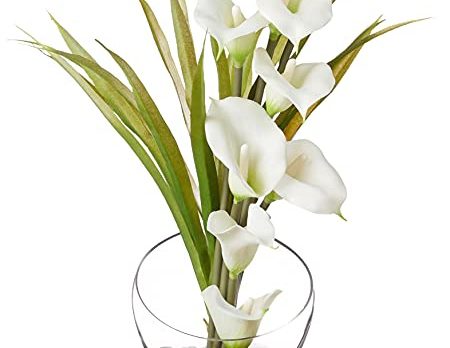
If you used to think fake flowers felt dated or overly stiff, you are not alone. Many people associate artificial blooms with old office décor or dusty arrangements in forgotten corners. But today’s silk flowers can look impressively lifelike when they are shaped well, colored naturally, and styled thoughtfully. Lilies in particular work beautifully in this format because their elegant petals, tall stems, and dramatic silhouette translate well into realistic faux designs.
This guide explains what makes lily fake flowers appealing, how to choose realistic options, how to style them in your home, and how to care for them so they keep looking fresh year-round.
What Makes Lily Fake Flowers So Popular?
Lilies are already a striking flower in real life. Their layered petals, graceful shape, and vertical form make them stand out in a vase or arrangement. When they are recreated as artificial flowers, they bring the same visual impact without the pressure of keeping them alive.
Here are a few reasons people choose faux lilies:
- They last a long time. High-quality artificial flowers can stay attractive for years with basic care.
- They work well in busy homes. There is no watering, trimming, or replacing wilted stems.
- They are useful in low-light spaces. Bathrooms, hallways, and rooms with limited sunlight can still have a floral touch.
- They are practical for allergies. People sensitive to pollen often prefer faux greenery and flowers.
- They are easy to move around. You can restyle the same stems from a kitchen window to a bedside table or entry console.
For many people, the appeal is not just convenience. It is also emotional. A lily that stays in place can feel grounding in a home where everything else changes constantly.
What “Realistic” Means in Artificial Flowers
Not all faux lilies look the same. Some are obviously artificial at a glance, while others can be convincingly realistic from a few feet away. When shoppers look for silk flowers that look real, they usually mean flowers with natural-looking color variation, believable petal texture, and stems that do not appear overly shiny or plastic.
Signs of a More Realistic Faux Lily
- Natural color gradients: Real lilies often have subtle shifts in tone, not a flat single color.
- Matte or soft finishes: Excess shine can make faux flowers look artificial.
- Detailed petal shaping: Petals that curve slightly and vary in angle tend to look more natural.
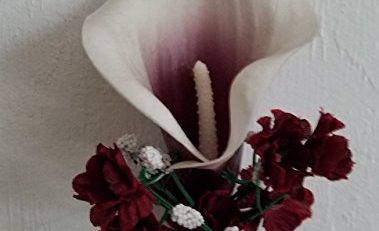
- Realistic centers and stamens: Lily centers are a defining detail, so simplified versions can look less convincing.
- Well-proportioned stems and leaves: A flower can look beautiful, but if the greenery is awkward, the illusion breaks.
Some people use the term “silk” loosely when talking about faux blooms, but many modern flowers are made from polyester or other synthetic materials. The important thing is not the label alone. It is how the flower is made and whether it looks believable in your space.
Where Lily Fake Flowers Work Best in the Home
One of the biggest benefits of artificial lilies is that they can fit almost anywhere. Because they do not need water or sunlight, they are flexible décor pieces for everyday living.
Common Places to Style Faux Lilies
- Kitchen windows: A single stem or small arrangement can brighten the space without worrying about heat or drying out.
- Dining tables: A low arrangement keeps the table visually interesting without blocking conversation.
- Bedrooms: A soft white or ivory lily adds calm without demanding maintenance.
- Bathrooms: Faux flowers are especially useful in rooms with humidity but little natural light.
- Entry consoles: Lilies create a polished first impression for guests.
- Home offices: A small arrangement can make a desk feel more welcoming during long workdays.
If your home gets strong sun through a south-facing window, keep in mind that even artificial plants can fade over time with prolonged exposure. Rotating arrangements occasionally can help reduce uneven fading.
How to Arrange Lily Fake Flowers So They Look Better
A realistic flower is only part of the equation. Styling matters just as much. Even the best faux lily can look less convincing if it is stuffed into the wrong vase or arranged too stiffly.
Simple Step-by-Step Arrangement Tips
- Choose the right container. A glass vase, ceramic vessel, or simple pottery container usually works better than an overly ornate piece.
- Trim stems if needed. Use wire cutters or strong floral snips if the stems are too tall for your vase.
- Bend stems slightly. Real flowers do not stand perfectly straight. A gentle bend adds realism.
- Vary the heights. Keep one or two lilies taller and let others sit slightly lower for a natural shape.
- Add greenery sparingly. A few leaves or soft faux greenery can help, but overcrowding can make the arrangement feel stiff.
- Fluff and adjust petals. Open the petals slightly and separate them so the bloom does not look compressed from shipping.
- Step back and look at the silhouette. A realistic arrangement should look balanced from across the room, not just up close.
For a casual look, place one lily in a narrow-neck vase. For a fuller display, mix lilies with other artificial flowers in similar tones. Soft cream, pale yellow, white, and muted green often work especially well in American home décor styles like modern farmhouse, transitional, and minimalist interiors.
Cleaning and Caring for Silk Flowers
One of the nicest things about silk flowers is that they are low maintenance, but they are not zero maintenance. Dust eventually settles on every surface, including faux blooms.
How to Clean Faux Flowers Safely
- Dust lightly first. Use a soft microfiber cloth, makeup brush, or feather duster.
- Check the material. If the flowers are delicate, avoid rough scrubbing.
- Use compressed air carefully. A short burst can remove dust from tight petal spaces.
- Spot-clean when needed. Use a slightly damp cloth for stems or sturdier leaves.
- Let them dry fully. Do not put damp faux flowers back into a closed vase or box.
Some people rinse artificial flowers gently, but that is not always appropriate for every material. If a flower has glued parts, wire accents, or delicate fabric petals, too much water can damage it. Always follow the care guidance that comes with the product if available.
If your flowers arrive folded or slightly misshapen from shipping, a little time spent fluffing the petals and adjusting the stems can make a big difference. This is common with many home décor items shipped in compact packaging.
Safety Notes for Using Artificial Flowers Indoors
Artificial flowers are convenient, but they should still be used thoughtfully around heat and flame.
- Keep them away from open flames. Do not place faux flowers directly next to candles, gas burners, or fireplaces.
- Watch for heat sources. Avoid setting them too close to lamps, radiators, or sunny windows that get very hot.
- Check for allergies to dust. If you are sensitive, regular cleaning matters.
- Use caution with pets and children. Small parts, wire stems, or beads can be a hazard if chewed or pulled apart.
As with any home décor, placement matters. A beautiful arrangement should also be practical and safe.
Can Artificial Lilies Work Outside?
Some faux flowers can be used outdoors, but not all are made for constant exposure to weather. If you want lilies for a porch, patio, or balcony, look for products specifically described as suitable for outdoor use or UV-resistant. Even then, sun, rain, wind, and temperature swings can shorten their appearance over time.
For example, a covered front porch in a mild climate is a very different environment from an uncovered patio in Arizona or Florida. Strong sun can fade color, and wind can bend stems or knock lightweight arrangements over. If you use artificial flowers outside, secure the container and inspect the arrangement regularly.
How to Mix Real and Faux Flowers Without It Looking Odd
Many people like the blend of real and artificial elements. A few real stems can add freshness, while faux lilies provide structure and lasting shape. The key is making the combination feel intentional.
Practical Mixing Tips
- Choose faux flowers in colors that match the real blooms.
- Use the artificial stems as the “framework” and place real flowers where they will draw attention.
- Refresh the water often if you include fresh flowers in a vase with faux stems.
- Avoid mixing arrangements if the faux stems are heavily dusty or visibly worn.
This approach works well on dining tables, entry consoles, and special-occasion centerpieces when you want the convenience of artificial flowers with a touch of freshness.
What to Look for When Buying Lily Fake Flowers
If you are shopping for faux lilies online or in stores, focus on details rather than just the photo on the product page.
Helpful Buying Checklist
- Material quality: Look for flowers that feel sturdy and hold their shape.
- Realistic coloring: Avoid overly bright or neon tones unless that is the style you want.
- Stem flexibility: Adjustable stems are easier to arrange.
- Petal detail: Layering and subtle texture usually look better than flat petals.
- Size: Make sure the bloom size fits your vase and the scale of the room.
- Care information: Know whether the item is meant for indoor use, outdoor use, or both.
Reading customer photos can also help, because product images sometimes make artificial flowers look more polished than they appear in a real home. In actual daylight, details matter more.
Why People Get Attached to Faux Flowers
There is something quietly emotional about keeping a flower that does not wilt. For many people, a lily fake flower becomes more than décor. It becomes a steady presence in a room that changes constantly.
Fresh flowers are beautiful, but they are temporary by nature. Faux lilies offer a different kind of beauty: one that remains. That can be especially comforting in a busy household, a rental apartment, or a home office where you want a little softness without a lot of upkeep.
A well-styled artificial flower does not have to pretend to be real in order to feel meaningful. Sometimes the value is in the consistency, not the imitation.
Frequently Asked Questions
Q: Can silk flowers be used outdoors?
A: Some can, but only if they are designed for outdoor use or labeled UV-resistant. Even then, sunlight, rain, and wind can fade or damage them over time. Covered patios and porches are usually safer than fully exposed areas.
Q: How do you clean silk flowers?
A: Start by dusting them with a microfiber cloth, soft brush, or compressed air. For sturdier stems and leaves, you can use a lightly damp cloth, but avoid soaking delicate petals or glued parts. Let them dry completely before displaying them again.
Q: What makes silk flowers look realistic?
A: Realistic faux flowers usually have natural color variation, shaped petals, believable centers, and stems that are not too shiny or rigid. Arrangement style matters too, since even good flowers can look artificial if they are packed too tightly or left unfluffed.
Q: Are artificial flowers safe near candles?
A: They should be kept well away from open flames. Artificial flowers can melt or catch fire if placed too close to candles, fireplaces, or stovetops. Always use caution around heat sources.
Q: Do artificial plants fade in sunlight?
A: Yes, prolonged direct sunlight can cause fading over time, even with some high-quality faux plants and flowers. If possible, rotate them occasionally or keep them out of harsh sun to help preserve color.
Q: Can you mix real and artificial flowers in one arrangement?
A: Yes, and it can look very natural if done thoughtfully. Use matching colors, keep the arrangement balanced, and make sure the artificial stems are clean and in good condition.
Q: How long do high-quality faux flowers last?
A: With proper care, they can last for years. Their lifespan depends on material quality, sunlight exposure, dust levels, and how often they are moved or cleaned.
Q: Are silk flowers worth it for busy households?
A: For many people, yes. They offer long-lasting color and style without watering or daily maintenance, which makes them especially practical for busy homes, offices, and rental spaces.
Conclusion
Lily fake flowers offer a simple kind of beauty that fits real life. They bring the elegance of lilies into your home without the short lifespan or upkeep of fresh blooms. When you choose realistic materials, style them well, and keep them clean, artificial lilies can become one of the most dependable and lovely details in your space.
If you want something graceful, low-maintenance, and quietly comforting, a well-made faux lily may be exactly the right choice.