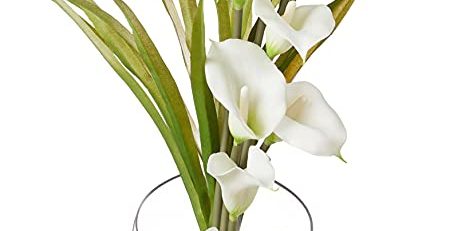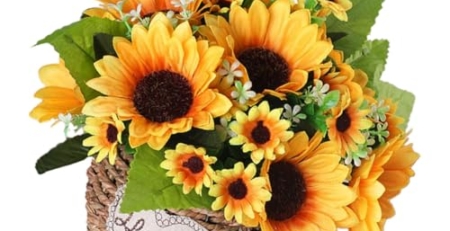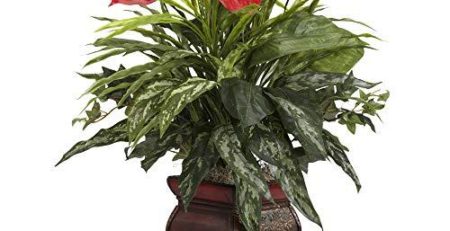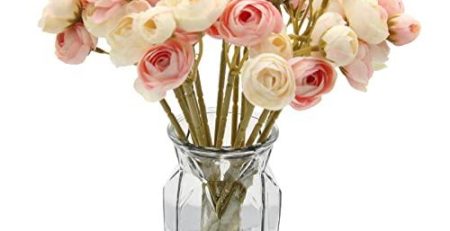
Outdoor Artificial Flowers, Lifelike, Weatherproof & Low-Maintenance Décor
Outdoor Artificial Flowers: Lifelike, Weatherproof, and Low-Maintenance Décor
Outdoor artificial flowers have come a long way. Today’s best options can add color, texture, and charm to patios, porches, balconies, fences, and entryways without the watering, deadheading, or constant replacement that live plants often require. For busy homeowners, renters, and business owners in the United States, that makes faux greenery and realistic faux flowers a practical decorating choice.
If you’ve ever wondered whether artificial flowers can really work outside, the answer is yes—if you choose products made for outdoor exposure. Materials, construction, and sun protection matter. Some silk flowers and artificial plants are designed mainly for indoor use, while others are built to handle UV rays, rain, and seasonal temperature changes much better.
This guide explains how outdoor artificial flowers work, what to look for when buying them, and how to style them so they look natural instead of obviously fake. Whether you’re decorating a home front porch, a backyard fence, or a restaurant patio, the right faux flowers can create a polished look with far less maintenance.
Why Outdoor Artificial Flowers Are So Popular
Outdoor décor in the U.S. has to deal with a lot: strong sun, heavy rain, wind, dust, pollen, and changing temperatures. Live flowers can be beautiful, but they also come with ongoing costs and upkeep. Outdoor artificial flowers offer a simple alternative.
They stay colorful longer
One of the biggest benefits is consistent color. High-quality faux flowers can keep their look through the season instead of fading fast or wilting during a heat wave. That makes them useful for porches, curb appeal, and outdoor entertaining spaces where you want a clean look day after day.
They reduce maintenance
No watering. No pruning. No replacing droopy blooms after a weekend away. For homeowners who travel, manage second homes, or simply don’t want another chore, artificial plants outdoors can save time and effort.
They work in places live plants struggle
Not every outdoor space gets ideal growing conditions. A shaded front porch, a windy balcony, a covered patio, or a drought-prone yard can all make live flowers difficult to maintain. Faux flowers give you more flexibility in those spaces.
What Makes an Outdoor Artificial Flower Different?
Not all silk flowers or faux greenery are suitable for outdoor use. The biggest difference is how they’re made and whether they can handle exposure to sun and moisture.
UV resistance
Sunlight is one of the main causes of fading. Many outdoor artificial flowers are made with UV-resistant materials or coatings that help them hold color longer in direct sun. That doesn’t mean they never fade, but it can help extend their lifespan.
Weather-resistant construction
Outdoor-grade faux flowers often use materials like plastic, poly blends, and coated fabrics designed to tolerate moisture better than delicate indoor-only décor. If a listing says “water-resistant” or “weather-resistant,” that’s a good sign, but it’s still wise to bring especially delicate pieces indoors during storms or winter freezes if the manufacturer recommends it.
Realistic texture and shape
The most convincing artificial flowers don’t just copy the color of real blooms—they also mimic leaf shape, stem structure, and natural variation. Subtle differences in petal size, color shading, and branching help the arrangement look less stiff and more organic.
Tip: A realistic look usually depends on a mix of quality materials, varied textures, and thoughtful placement—not just the flower type itself.
How to Choose the Right Outdoor Faux Flowers
Shopping for outdoor artificial flowers is easier when you know what to look for. A few details can make the difference between décor that looks fresh and décor that looks like it belongs in a storage box.
1. Match the material to the location
If the arrangement will sit in full sun on a porch rail, prioritize UV-resistant faux flowers. If it will be under a covered entryway, you may have more flexibility. For outdoor walls, fences, and hanging baskets, look for materials that hold their shape well and don’t sag when exposed to humidity.
2. Choose colors that fit the setting
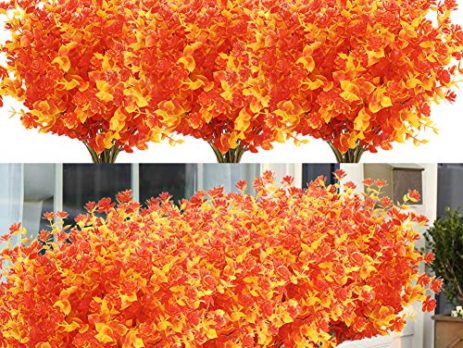
Bold blooms can be beautiful, but too many bright colors in one spot may look busy. For a classic front porch, soft whites, greens, and muted pinks often feel calm and timeless. For festive spaces, richer reds, oranges, and purples can add energy and seasonal warmth.
3. Think about scale
Small blooms can disappear on a large porch or garden wall. On the other hand, oversized flowers may overwhelm a narrow balcony. Measure the space before buying so the arrangement feels balanced. In many cases, layered designs with mixed heights look more natural than a single row of identical stems.
4. Check how the arrangement will be used
Will the flowers go in a planter, hanging basket, window box, wreath, or fence line? Different containers call for different shapes. Cascading blooms work well in baskets. Upright flowers fit planters and urns. Trailing vines soften railings and gazebo posts.
Creative Ways to Use Outdoor Artificial Flowers
Outdoor faux flowers can do much more than sit in a pot by the front door. With a little planning, they can help define the style of your entire exterior.
Front porch planters
Large planters on either side of a doorway are a classic choice. Try combining faux flowers with artificial greenery for a layered look. A mix of heights can make the arrangement feel fuller and more natural. If your entry gets direct sun, choose UV-resistant pieces and a sturdy container that won’t tip in wind.
Hanging baskets
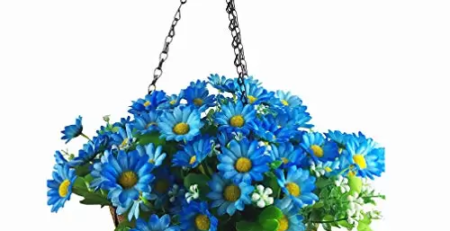
Hanging baskets are especially useful for artificial flowers because the cascading shape helps disguise the fact that the stems are fixed. Place fuller blooms near the front and trailing greenery around the edges for a soft, overflowing effect. This works well on covered porches, pergolas, and patio ceilings.
Window boxes
Window boxes can add color to home exteriors without requiring irrigation or constant care. If the box is visible from the street, choose flowers that complement your siding, trim, and front door color. For homes with brick or neutral exteriors, brighter colors can create a nice contrast.
Fences and trellises
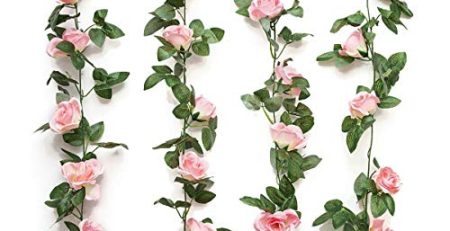
Artificial vines and flowers can soften wood fences, white pickets, and outdoor privacy screens. This is especially helpful if you want a more finished look without installing a full garden bed. Use zip ties, floral wire, or planter inserts to secure pieces safely without damaging the surface.
Patios and balconies
For smaller outdoor spaces, faux flowers can bring life to railings, tabletops, and corner planters without taking up much room. Balcony dwellers especially appreciate this option when building rules limit watering or when sunlight is inconsistent.
Business exteriors
Restaurants, salons, hotels, and office buildings often use outdoor artificial flowers to maintain a polished appearance at entrances and patios. Since commercial spaces need a neat look every day, low-maintenance décor can be a smart choice. Just be sure the arrangement matches the brand style and does not block walkways or visibility.
How to Make Faux Flowers Look More Real
One of the most common concerns is whether artificial flowers will look obviously fake. The good news is that a few styling techniques can make a big difference.
Mix flower types and greenery
Natural gardens rarely contain just one flower species in perfect rows. Mix blossoms with leaves, vines, and filler greenery for a more realistic arrangement. Even a simple blend of flowers and trailing stems can soften a stiff look.
Vary the height and direction
Real flowers don’t all point in the same direction. Bend stems slightly, angle a few blooms outward, and stagger heights so the arrangement feels relaxed. This is especially helpful in planters and window boxes.
Use containers that look natural
A realistic arrangement can still look artificial if it sits in the wrong container. Choose planters, baskets, or urns that suit the style of your home. Natural textures like wicker, terracotta, stone-look resin, or matte ceramic often work well.
Layer in real elements when appropriate
Some homeowners mix faux flowers with real accents like live herbs, seasonal pumpkins, pinecones, or natural mulch. This can help blur the line between artificial and real, especially around entryways and patio tables.
How to Arrange Outdoor Artificial Flowers Step by Step
If you’re creating your own outdoor arrangement, a few simple steps can help you get a polished result.
- Choose the location. Decide whether the arrangement will be in sun, shade, or under a covered area.
- Select a container. Pick a planter, basket, wreath base, or wall mount that fits the space.
- Build a base. Use foam, floral filler, or another stable support if needed to hold stems in place.
- Place the largest pieces first. Anchor the main blooms or greenery so the shape of the arrangement is established.
- Add smaller flowers and filler. Fill gaps with secondary blooms, vines, or leaves for depth.
- Step back and adjust. View the arrangement from the angle people will actually see it from, such as the sidewalk, driveway, or patio doorway.
- Secure it for weather. Make sure the piece is stable enough for wind and outdoor traffic.
Cleaning and Caring for Outdoor Artificial Flowers
Even low-maintenance décor needs occasional care. Dust, pollen, and outdoor grime can build up over time, especially in dry or windy climates.
Routine cleaning
For light dust, a soft cloth, feather duster, or gentle vacuum attachment can help. If the flowers are weather-resistant and the manufacturer allows it, you can also rinse them lightly with water. Always check product care instructions first.
Deeper cleaning
If the pieces are dirty from pollen or debris, wipe them with a damp cloth and mild soap, then let them air dry fully before putting them back outside. Avoid harsh cleaners that could damage color or finish.
Seasonal storage
Even outdoor artificial flowers last longer when stored properly during harsh weather. If your area has heavy snow, prolonged freezing temperatures, or intense summer storms, consider bringing more delicate pieces inside during the off-season.
Safety and Practical Tips for Outdoor Display
Artificial flowers are convenient, but outdoor use still calls for common sense.
- Keep faux greenery away from open flames. Do not place artificial flowers near fire pits, candles, tiki torches, or grills.
- Secure lightweight arrangements. Wind can knock over small planters and baskets.
- Check walkways. Don’t let vines or stems create a tripping hazard.
- Follow manufacturer guidance. Some products are intended for covered outdoor use only.
- Protect surfaces. Use liners or trays where needed to avoid moisture damage to decks, drywall-adjacent trim, or painted railings.
When Outdoor Artificial Flowers Make the Most Sense
Outdoor faux flowers are not the right answer for every setting, but they are especially useful in a few common situations.
If you live in a hot, dry area where live flowers struggle, artificial plants can keep your porch looking full without daily watering. If you rent and want décor that’s easy to move, faux flowers are convenient and portable. If you manage a business and need a polished exterior every day, they can help maintain curb appeal with less labor.
They’re also a good choice for people who want to decorate for a season or event without committing to frequent plant replacement. And because there are so many styles available, it’s possible to create anything from a traditional cottage look to a more modern, minimal exterior.
Frequently Asked Questions
Q: Can silk flowers be used outdoors?
A: Yes, but only if they’re designed for outdoor use. Look for UV-resistant or weather-resistant materials, since indoor-only silk flowers can fade or deteriorate faster outside.
Q: Do artificial plants fade in sunlight?
A: They can, especially if they are exposed to direct sun for long periods. UV-resistant faux flowers are made to slow fading, but no material is completely immune to sun exposure over time.
Q: How do you clean outdoor artificial flowers?
A: Most can be cleaned with a soft cloth, duster, or gentle rinse if the manufacturer says water is safe. For heavier dirt, use mild soap and water, then let them dry completely.
Q: Are faux flowers safe near candles or fire pits?
A: They should be kept away from open flames and heat sources. Many artificial materials can melt or catch fire if placed too close to a flame.
Q: How long do high-quality outdoor faux flowers last?
A: Lifespan varies based on sun exposure, weather, and material quality. UV-resistant pieces generally last longer than indoor-only items, especially when stored properly during harsh weather.
Q: What makes artificial flowers look more realistic?
A: Natural color variation, mixed greenery, realistic petal texture, and uneven placement all help. Using a container that fits the setting also makes the arrangement feel more believable.
Q: Can you mix real and artificial flowers in one arrangement?
A: Yes, and many people do. Mixing them can create a more natural look, especially when live greenery or seasonal accents are used alongside faux blooms.
Q: Are UV-resistant faux plants worth it?
A: For sunny outdoor spaces, they often are. UV resistance can help preserve color and appearance longer, which is especially helpful on porches, balconies, and south-facing exteriors.
Conclusion
Outdoor artificial flowers are a smart way to add color and style without the upkeep that live plants require. When you choose weather-resistant materials, arrange them thoughtfully, and care for them occasionally, they can bring long-lasting beauty to porches, patios, fences, and entryways. For homeowners and businesses alike, the right faux flowers can make outdoor spaces feel welcoming, polished, and easy to enjoy.