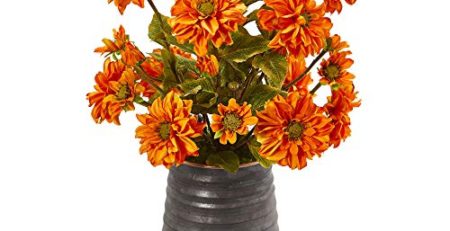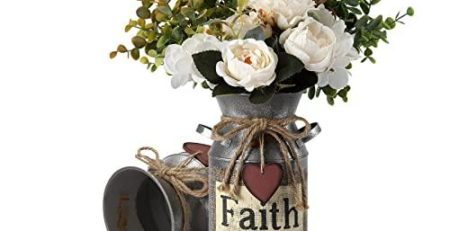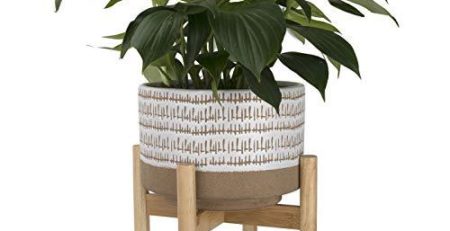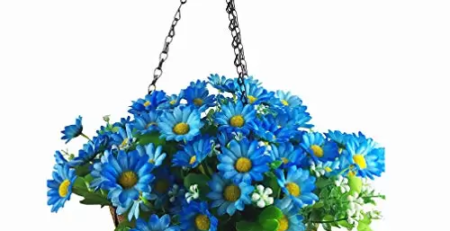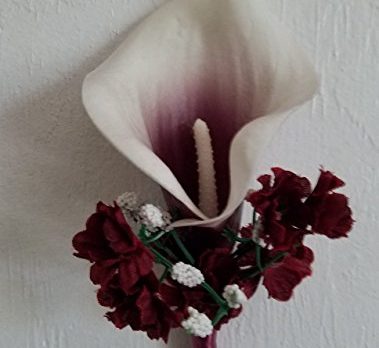
Realistic Fake Flowers That Look Real
Realistic Fake Flowers That Look Real: A Practical Guide to Beautiful Home Decor
Fresh flowers have a way of brightening a room instantly, but they also come with a lot of maintenance. If you’ve ever bought a bouquet that started drooping after just a few days, you already know the appeal of realistic fake flowers that look real. Today’s faux blooms can offer the same visual warmth as fresh-cut stems, without the watering, trimming, or rushed trips to the store.
For many U.S. homes, silk flowers are no longer a fallback option. They’re a smart design choice for busy households, renters, office spaces, and anyone who wants long-lasting color without the upkeep. Whether you’re styling a dining table, refreshing a shelf on a drywall wall, or adding softness to a covered patio, realistic faux flowers can make a space feel finished and welcoming.
What Makes Fake Flowers Look Real?
Not all artificial flowers are created equal. The most realistic fake flowers usually combine thoughtful design, layered coloring, and materials that mimic the shape and feel of real petals. High-quality silk flowers often have subtle color variation, natural-looking stems, and petals that don’t appear overly shiny or stiff.
When shoppers say they want silk flowers that look real, they’re usually looking for details like these:
- Natural petal shape and soft edges
- Muted color transitions instead of flat, single-tone color
- Stems that bend or shape easily for arranging
- Leaves with realistic vein texture and matte finishes
- Good proportion between bloom size, stem length, and foliage
The goal is not perfection. Real flowers vary too. A convincing faux flower usually looks slightly imperfect in the right way, just like something cut from a garden or florist bucket.
Why People Choose Faux Blooms Over Fresh Flowers
There are plenty of reasons to choose artificial flowers, and most are practical. Fresh bouquets are beautiful, but they need water, a clean vase, and the right room temperature. If you live in a hot climate, travel often, or simply don’t want to replace arrangements every week, fake flowers can be a better fit.
Low maintenance
Artificial flowers do not wilt, drop petals, or require pruning. A quick dusting or gentle cleaning is usually enough to keep them looking presentable.
Long-term value
While the upfront cost of realistic faux flowers can be higher than a grocery store bouquet, they can be reused for months or years. That makes them especially useful for everyday home décor, events, and seasonal styling.
Consistent appearance
Fresh flowers change quickly. Faux blooms stay stable, so the arrangement you created last week can still look the same next month. That matters if you’re decorating a guest room, office reception area, or a dining table you don’t want to reset constantly.
Allergy-friendly option
Some people prefer artificial plants and flowers because they reduce exposure to pollen. While this is not true for every allergy situation, it can be helpful for homes where real blooms trigger sneezing or irritation.
Best Ways to Use Silk Flowers in Your Home
One of the biggest strengths of silk flowers is their versatility. You can use them almost anywhere you would normally place fresh flowers or greenery.
Living rooms
A vase of realistic faux flowers can soften the look of a coffee table, console table, or mantel. In rooms with lots of straight lines and neutral furniture, flowers add color and a more relaxed feel.
Dining rooms
Low arrangements work well on dining tables because they provide visual interest without blocking conversation. If you host often, silk flowers can stay in place between meals instead of needing to be cleared out and replaced.
Bedrooms
A small bouquet on a nightstand or dresser can make a bedroom feel calmer and more finished. Choose softer tones if you want a restful feel, or brighter colors if the room needs energy.
Bathrooms and entryways
Smaller artificial arrangements fit nicely on bathroom counters or entry tables where natural light may be limited. Since these spaces often lack room for plant care, faux flowers are a useful solution.
Covered patios and porches
For outdoor spaces, faux flowers can work well in sheltered areas that receive some sun exposure but not direct, harsh weather. If you’re styling a patio, look for products labeled for outdoor use or UV resistance when possible. Even then, it’s smart to keep them away from heavy rain and extreme heat.
How to Make Artificial Flowers Look More Natural
Even the best faux flowers usually need a little styling to look convincing. The good news is that a few simple adjustments can make a big difference.
Step 1: Fluff and shape the stems
When flowers arrive in a box, petals and stems may be compressed from shipping. Gently separate the stems, bend them into a natural shape, and fan out the blooms so they don’t all face the same direction.
Step 2: Use a real-looking vase
The vase matters almost as much as the flowers. A ceramic, glass, stoneware, or matte metal vase often looks more natural than a shiny plastic container. For a realistic arrangement, make sure the vase size matches the stem height.
Step 3: Mix heights and textures
Real floral arrangements are rarely perfectly symmetrical. Combine larger blooms with smaller filler flowers or faux greenery so the display feels layered and organic.
Step 4: Trim to fit
If stems are too tall, cut or bend them to fit the vase. A bouquet that is too high can look awkward in a room, especially on a dining table or shelf.
Step 5: Add natural elements
Consider pairing silk flowers with dried branches, a linen table runner, or a wicker basket. These textures help bridge the gap between artificial and natural materials.
Helpful tip: If you want an arrangement to look more like something from a florist, avoid crowding the stems too tightly. Leave a little space so the blooms appear airy and intentional.
Cleaning and Caring for Faux Flowers
Keeping artificial flowers clean is simple, but it helps to be consistent. Dust buildup can make even a realistic arrangement look dull, especially in rooms with fans, open windows, or HVAC vents.
Basic cleaning routine
- Check the manufacturer’s care instructions, if available.
- Dust lightly with a soft microfiber cloth or feather duster.
- Use a small, dry paintbrush for tight spaces between petals.
- If needed, wipe stems and leaves with a barely damp cloth.
- Let the arrangement dry fully before placing it back on display.
For silk flowers with fabric petals, avoid soaking them in water unless the care instructions clearly allow it. Too much moisture can weaken adhesives or distort the shape. If the arrangement is very dusty, some people use a gentle cool-air blow from a hair dryer, but it should be used carefully so petals don’t scatter or bend out of shape.
Are Silk Flowers Safe Near Candles and Heat?
Artificial flowers are not heatproof. Like many decorative materials, they can be damaged by open flames, hot light bulbs, or direct heat sources. If you’re decorating a mantel or table with candles, keep faux greenery and silk flowers at a safe distance.
This is especially important for weddings, holiday décor, and centerpiece styling. If you use battery-operated candles, check that they do not produce heat that could affect nearby petals or leaves. Safety matters more than realism in spaces where fire is present.
Choosing the Right Flowers for Different Decorating Styles
Realistic fake flowers can work in almost any style, but the best choice depends on the room’s overall look.
Modern and minimal
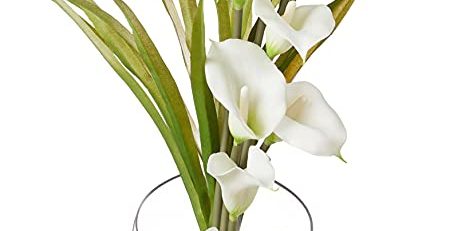
Choose simple stems in a clear glass vase or a single variety in a neutral color. Orchids, calla lilies, and white roses often work well in clean, contemporary spaces.
Farmhouse and casual
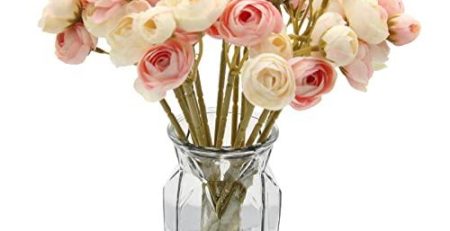
Loose arrangements with peonies, hydrangeas, or wildflower-inspired stems can suit relaxed interiors. Pair them with rustic containers like ceramic pitchers or woven baskets.
Traditional
Classic roses, tulips, and mixed floral bouquets can fit traditional homes well. Use fuller arrangements and deeper color tones for a more formal look.
Seasonal decorating
One advantage of faux flowers is that you can change the look of a room without buying fresh bouquets every week. Try spring pastels, summer brights, autumn neutrals, or winter whites depending on the season.
How to Mix Real and Artificial Flowers
If you like fresh flowers but don’t want to buy them all the time, mixing real and artificial blooms can be a smart compromise. The key is to make the arrangement feel balanced.
Start with a few realistic faux flowers as the base, then add a handful of fresh stems for scent and movement. This can stretch the life of the arrangement while keeping costs down. Just remember that real flowers need water, so use a container that works for both types if you are placing them together.
Another option is to use faux flowers in permanent areas like an entryway or shelf, then reserve fresh bouquets for special occasions such as holidays, birthdays, or dinner parties.
What to Look for When Buying Realistic Faux Flowers
If you’re shopping for silk flowers or artificial plants, the details matter. A beautiful online photo can be misleading, so it helps to know what to look for before you buy.
- Color accuracy: Look for natural-looking tones, not overly bright plastic shades.
- Texture: Matte finishes often look more realistic than glossy ones.
- Stem flexibility: Bendable stems make arranging much easier.
- Size information: Check the bloom diameter and stem length so you know how the flowers will fit in your vase.
- Material quality: Polyester, silk-like fabrics, latex-coated petals, and wire stems are common in faux florals.
- Usage notes: If you need flowers for a porch or sunny window, look for UV-resistant options when available.
Shipping is another practical consideration. Stems can arrive bent, flattened, or separated from the packaging. That’s normal for many faux floral products, but it’s worth checking return policies and customer photos when shopping online.
Style Ideas for Realistic Fake Flowers
If you’re not sure where to start, these simple ideas can help:
- Single-stem display: One large bloom in a slim vase for a modern look.
- Mixed bouquet: Roses, greenery, and smaller accent flowers for a fuller arrangement.
- Low centerpiece: A shallow container with short stems for a dining table.
- Bookshelf accent: A small arrangement next to books or framed photos.
- Bathroom refresh: A petite bouquet that adds color without taking up much space.
These ideas work well in apartments, suburban homes, and office settings alike. The key is choosing the scale of the arrangement carefully so it matches the room instead of overwhelming it.
Frequently Asked Questions
Q: What makes silk flowers look realistic?
A: Realistic silk flowers usually have natural color variation, soft petal shapes, and matte finishes rather than a shiny plastic look. Flexible stems and balanced proportions also help them resemble fresh blooms.
Q: Can silk flowers be used outdoors?
A: Yes, but only in protected areas or if they are made for outdoor use. Sun, wind, and rain can damage many artificial flowers over time, so covered patios and porches are better than fully exposed spaces.
Q: Do artificial plants and flowers fade in sunlight?
A: They can fade if exposed to strong direct sunlight for long periods. UV-resistant products are designed to hold color better, but even those may last longer if placed in partial shade.
Q: How do you clean silk flowers?
A: Dust them regularly with a microfiber cloth, feather duster, or soft brush. If needed, wipe stems and leaves with a lightly damp cloth, and avoid soaking delicate fabric petals unless the care instructions say it is safe.
Q: Are silk flowers safe near candles?
A: They should be kept away from open flames and heat sources. Like many decorative materials, faux flowers can melt, discolor, or catch fire if placed too close to candles or hot bulbs.
Q: How long do high-quality faux flowers last?
A: With proper care, they can last for years. Longevity depends on material quality, sunlight exposure, dust buildup, and how often the arrangement is moved or handled.
Q: Can you mix real flowers with fake flowers in one arrangement?
A: Yes, and many people do. The key is to use a container that can support water for the real stems while keeping the artificial ones dry and balanced in the design.
Q: Are UV-resistant faux plants worth it?
A: They can be worth it if you plan to place them in sunny spots or outdoors in partial exposure. UV resistance can help slow fading, which is useful for porches, bright windows, and patio décor.
Conclusion
Realistic fake flowers offer a simple way to enjoy the beauty of blooms without the constant care fresh arrangements require. With thoughtful styling, basic cleaning, and the right placement, silk flowers can look elegant in homes, offices, and covered outdoor spaces. If you want lasting color and low-maintenance charm, faux flowers are an easy, reliable choice.