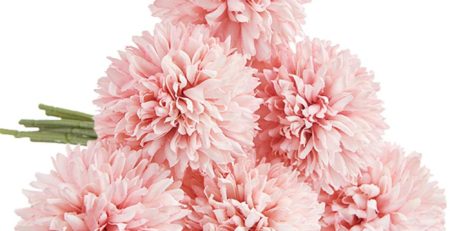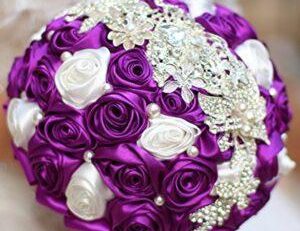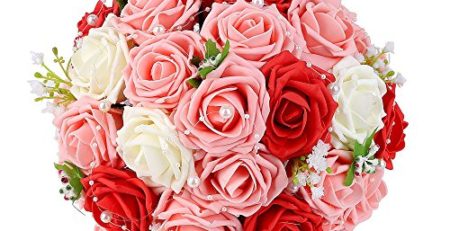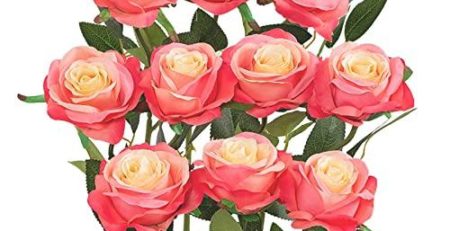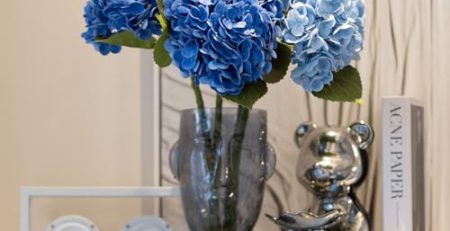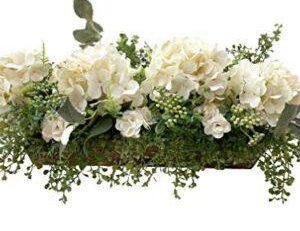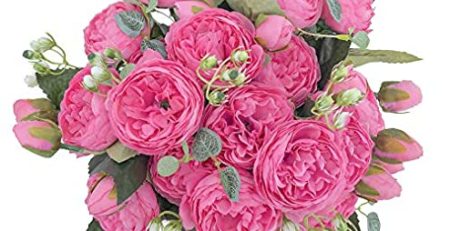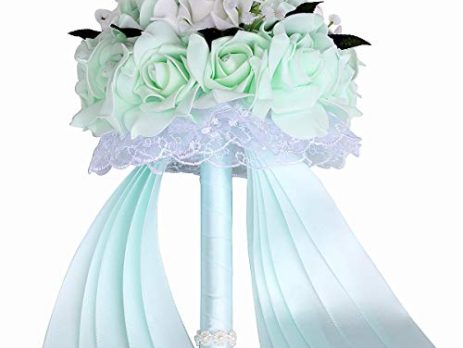
Silk Wedding Flower Bouquet
Silk Wedding Flower Bouquet: A Beautiful Choice for Timeless Style
There’s something undeniably special about a wedding bouquet. It’s one of the most photographed details of the day, and it often becomes a keepsake long after the celebration ends. A silk flowers wedding bouquet offers a practical and elegant way to enjoy beautiful blooms without worrying about wilting petals, seasonal shortages, or last-minute floral stress.
Silk flowers have come a long way from the stiff, overly shiny arrangements many people remember from years ago. Today, high-quality faux flowers can look soft, layered, and natural enough to fit into modern wedding styles, from romantic garden ceremonies to classic indoor receptions. Lavender-toned silk flowers, in particular, bring a calm, graceful feel that works well in bouquets, centerpieces, and home décor after the wedding is over.
If you’re planning a wedding in the United States, where weather, shipping timelines, and venue rules can all affect fresh flowers, silk blooms can be a smart alternative. They’re also useful for destination weddings, DIY brides, and anyone who wants to keep a bouquet as a lasting memento.
Why Choose Silk Flowers for a Wedding Bouquet?
Fresh flowers are beautiful, but they come with limitations. They can be sensitive to heat, cold, and travel. If your ceremony is outdoors on a warm day, or if your flowers need to be shipped across the country, a fresh bouquet may require more planning than you want to handle.
Silk flowers solve many of those problems. They hold their shape, do not need water, and can be prepared well in advance. That makes them especially appealing for couples who want more control over the look and timing of their wedding décor.
Here are a few reasons many people consider faux flowers for weddings:
- Predictability: The bouquet looks the same from setup to the last dance.
- Planning flexibility: You can arrange it days or weeks ahead of time.
- Travel-friendly: Easier to transport for destination weddings or out-of-state ceremonies.
- Keepability: A silk bouquet can be preserved as a keepsake.
- Allergy-friendly: Helpful for brides, attendants, or guests sensitive to pollen.
That said, the goal is not to replace every fresh bouquet idea with faux blooms. Instead, it’s about choosing what works best for your schedule, budget, and style.
What Makes a Silk Wedding Bouquet Look Realistic?
Not all silk flowers look the same. Some are designed with more natural petal shaping, subtle color variation, and realistic stem details. These design choices matter because they help the bouquet feel soft and believable in photos and in person.
When shopping for realistic faux flowers, look for these features:
- Matte or soft finishes instead of overly glossy petals
- Layered petals that mimic real blooms
- Natural color variation rather than flat, uniform tones
- Flexible stems that can be shaped into the bouquet you want
- Greenery with texture for a more organic look
Lavender silk flowers are a good example of how color can make a bouquet feel both gentle and elegant. Lavender works well with white, cream, sage green, dusty blue, blush, and soft gray. It also photographs beautifully in both indoor and outdoor light.
Tip: A bouquet looks more natural when it includes a mix of bloom sizes, textures, and greenery rather than only identical flowers lined up together.
How to Build a Silk Wedding Flower Bouquet
If you’re creating your own bouquet, the process can be simple and enjoyable. A DIY bouquet also gives you more control over size, shape, and color palette.
Step 1: Choose a color story
Start with the overall feel you want. Lavender is soft and romantic, but it can lean rustic, classic, or modern depending on what you pair it with. For example, lavender and white creates a fresh, timeless look, while lavender and dusty greenery feels more relaxed and garden-inspired.
Step 2: Gather your materials
Typical bouquet supplies may include:
- Silk flowers and greenery
- Floral wire
- Floral tape
- Wire cutters or strong scissors
- Bouquet holder or ribbon
Step 3: Shape the stems
Lay out the flowers on a table and arrange them before securing anything. Place the largest blooms in the center or slightly off-center, then add smaller flowers and greenery around them. Bend the stems so the bouquet has a natural dome or cascading shape, depending on your style.
Step 4: Secure the arrangement
Once the placement looks right, wrap the stems with floral tape or wire. Keep the grip firm but not so tight that the stems bend awkwardly. Trim any extra stem length if needed.
Step 5: Finish with ribbon or wrapping
Ribbon can soften the stem area and make the bouquet feel polished. If you’re planning an indoor ceremony, choose ribbon that matches your décor. For outdoor weddings, make sure the wrap is secure enough to hold up during transport and movement.
Styling Ideas for Lavender Silk Flowers
Lavender is versatile, which is one reason it remains popular in wedding design and home décor. It can feel whimsical, elegant, or understated depending on how it’s used.
For a wedding bouquet
Pair lavender silk flowers with cream roses, white peonies, or soft greenery for a romantic look. This combination works well for spring and summer weddings, but it can also feel graceful in a winter ceremony when paired with cooler tones.
For centerpieces
Use lavender silk flowers in low arrangements for guest tables or create taller designs for head tables and entryways. If you’re working with banquet tables at a reception hall, low centerpieces are usually better because they keep conversation easy.
For home décor after the wedding
One advantage of a silk bouquet is that it doesn’t have to be packed away forever after the event. You can move it into a vase, display it on a shelf, or repurpose the flowers into a wreath or seasonal arrangement. In a living room with neutral walls or a bedroom with soft colors, lavender can add a calm finishing touch.
How to Clean and Maintain Silk Flowers
One of the biggest benefits of silk flowers is that they’re low-maintenance. Still, they do collect dust over time, especially if displayed near vents, windows, or open shelving.
Here’s a simple cleaning method:
- Dust gently with a soft microfiber cloth or feather duster.
- Use a hair dryer on the cool setting to blow off loose dust.
- If needed, spot-clean with a slightly damp cloth.
- Let the flowers air dry completely before storing or displaying them again.
Always test any cleaning method on a small area first, especially if the flowers have delicate dye, glitter, or fabric accents. Avoid soaking silk flowers in water unless the product instructions specifically say it’s safe.
Using Silk Flowers in Different Wedding Settings
Silk flowers are especially useful when wedding conditions aren’t ideal for fresh blooms. In the U.S., that might mean a hot patio ceremony in Texas, a windy outdoor reception in California, or a winter wedding where flowers need to survive cold temperatures during setup.
Outdoor weddings
Silk flowers are helpful for outdoor ceremonies because they do not wilt in heat the way some fresh flowers do. If the bouquet or centerpiece will be exposed to direct sunlight, consider whether the flowers are labeled for UV resistance. Even then, prolonged sun exposure can eventually cause fading over time.
Indoor venues
For church ceremonies, hotel ballrooms, and reception halls, silk flowers can simplify setup. They’re easy to transport and arrange without worrying about water spills on floors or tables.
Destination weddings
If your wedding is far from home, faux flowers can reduce shipping stress. Many couples pack bouquets and décor in carry-on luggage or sturdy boxes, which can be easier than coordinating fragile fresh flower delivery at a remote venue.
Safety and Practical Considerations
Silk flowers are generally easy to work with, but a few common-sense precautions help keep things safe and polished.
- Keep faux greenery away from open flames: Do not place silk flowers near candles, fire pits, or sparklers.
- Watch for heat exposure: Avoid setting arrangements on hot surfaces or directly against heat vents.
- Check venue rules: Some venues have restrictions on hanging décor, adhesives, or flame-adjacent materials.
- Pack carefully: If shipping or transporting a bouquet, use tissue paper and a sturdy box so petals do not get crushed.
These practical steps matter just as much as the design itself, especially when the bouquet needs to survive travel, staging, and a full day of celebrations.
Mixing Real and Artificial Flowers
Some couples like the look of a hybrid arrangement. This can be a smart way to stretch a budget while keeping a natural feel. You might use real flowers for the bridal bouquet and silk flowers for centerpieces, or mix faux greenery with fresh blooms for texture.
If you do combine them, pay attention to color consistency and size. A realistic mix works best when the artificial pieces support the fresh flowers instead of competing with them. Lavender silk flowers can be especially useful here because their soft color is easy to blend with many fresh floral palettes.
How to Style Silk Flowers in the Home After the Wedding
After the big day, a silk wedding bouquet can live on as décor. That makes it a practical purchase for couples who want something beautiful and reusable.
Try these ideas:
- Place the bouquet in a ceramic vase on a mantel or console table.
- Break it apart and reuse the blooms in smaller arrangements.
- Add the flowers to a shelf display with books and candles.
- Use them in a guest bedroom or entryway for a welcoming touch.
For homes with drywall walls and limited hanging options, a vase arrangement or shelf display is often the easiest way to decorate without extra hardware. If you have strong natural sun near a window, rotate the arrangement occasionally so fading is less noticeable over time.
What to Look for When Shopping for Silk Wedding Flowers
When choosing a bouquet, think beyond color. The best option for you depends on how it will be used, stored, and displayed.
- Texture: Does it feel soft and layered rather than stiff?
- Scale: Is the bouquet the right size for your frame and dress style?
- Durability: Will it hold up during transport and the ceremony?
- Versatility: Can it be reused for home décor after the wedding?
- Maintenance: Is it easy to dust and store?
Many people choose silk flowers because they want a bouquet that looks graceful on the wedding day and still feels useful afterward. That practical value is part of what makes them so appealing.
Frequently Asked Questions
Q: Can silk flowers be used outdoors for weddings?
A: Yes, silk flowers can be used outdoors and are often a practical choice for ceremonies and receptions. If they will sit in direct sunlight, look for UV-resistant options or plan to keep them shaded as much as possible to reduce fading.
Q: Do artificial flowers fade in sunlight?
A: Over time, many artificial flowers can fade if exposed to strong sunlight for long periods. UV-resistant products are designed to handle sunlight better, but no faux flower is completely immune to long-term color changes.
Q: How do you clean silk flowers?
A: The easiest method is to dust them with a microfiber cloth or use cool air from a hair dryer. For light cleaning, a slightly damp cloth can help, but avoid soaking the flowers unless the care instructions say it is safe.
Q: Are silk flowers safe near candles?
A: They should be kept away from open flames and high heat. Silk flowers and faux greenery can be flammable, so place them at a safe distance from candles, sparklers, fire pits, and heaters.
Q: What makes silk wedding flowers look realistic?
A: Realistic silk flowers usually have soft finishes, layered petals, natural color variation, and flexible stems. Mixed textures and a well-balanced arrangement also help the bouquet look more like fresh flowers.
Q: Can you mix real and artificial flowers in one arrangement?
A: Yes, many people combine them to balance budget, appearance, and convenience. The key is choosing colors and bloom sizes that work together so the arrangement feels cohesive.
Q: How long do high-quality faux flowers last?
A: High-quality faux flowers can last for years if they are stored and cleaned properly. Their lifespan depends on sunlight exposure, dust, humidity, and how often they are handled.
Q: Are silk flowers a good option for a wedding keepsake?
A: Yes, that is one of their biggest advantages. A silk wedding bouquet can be kept as a memory of the day and later reused as home décor or passed on as a sentimental keepsake.
Conclusion
A silk wedding flower bouquet can give you the beauty of lavender blooms and the peace of mind that comes with a long-lasting, low-maintenance design. Whether you’re planning an outdoor ceremony, a destination wedding, or a keepsake bouquet for your home, silk flowers offer flexibility, style, and lasting charm. With thoughtful selection and simple care, they can look lovely on your wedding day and continue to brighten your space long after the celebration ends.