Rose Wedding Bouquet
Rose Wedding Bouquet: A Timeless Choice for Modern Brides
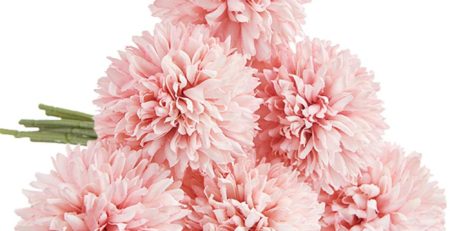
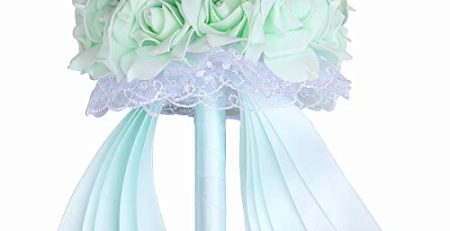
A rose wedding bouquet has long been one of the most beloved choices for brides, and it is easy to see why. Roses symbolize love, beauty, commitment, and new beginnings, which makes them a natural fit for a wedding day. Whether you prefer fresh blooms or a silk flowers wedding bouquet, roses offer flexibility, elegance, and classic appeal.
Many brides start with a clear idea of what they want, only to feel overwhelmed once they begin comparing colors, shapes, styles, and prices. That is completely normal. Wedding flowers can be simple or elaborate, budget-friendly or luxurious, and there is no single right answer. The best bouquet is the one that fits your style, your dress, your venue, and your budget.
This guide breaks down everything you need to know about choosing a rose wedding bouquet, from bouquet shapes and color meanings to practical tips for styling, arranging, and caring for silk or faux flowers.
Why Roses Remain a Classic Wedding Flower
Roses have a timeless quality that works in nearly every wedding setting, from a formal ballroom to a backyard ceremony. They photograph beautifully, come in many colors, and pair well with a wide range of greenery and accent flowers.
They also carry meaningful symbolism. Red roses are often associated with deep love and passion, white roses with purity and new beginnings, pink roses with admiration, and ivory roses with grace and unity. That symbolism makes roses especially appealing for couples who want their bouquet to reflect the meaning of the day.
Another reason roses are so popular is versatility. They can be used in a tight, formal bouquet or in a looser hand-tied design. They can stand alone or be combined with lilies, carnations, hydrangea, eucalyptus, ivy, or seasonal blooms. That flexibility is one reason rose bouquets continue to be a favorite in American weddings of every style.
Fresh Roses vs. Silk Flowers for a Wedding Bouquet
When people think of a wedding bouquet, they often picture fresh flowers. But silk flowers wedding arrangements have become an increasingly practical option for many brides. Both choices have advantages.
Fresh roses
- Offer natural fragrance and texture
- Can feel especially traditional and luxurious
- May be limited by season, weather, and flower availability
- Require careful handling and refrigeration before the ceremony
Silk flowers
- Can be prepared well in advance
- Are not affected by heat, making them useful for warm-weather weddings
- Travel well for destination weddings and shipping across the U.S.
- Can be kept as a lasting keepsake after the wedding
If you want a bouquet that looks beautiful throughout a long day of photos, travel, and celebration, silk flowers can be a smart option. High-quality faux flowers can look very convincing in person and in photographs, especially when arranged with care.
Choosing the Right Bouquet Shape
The shape of your bouquet matters as much as the flowers themselves. Different styles create very different visual effects and work better with certain dress silhouettes or wedding themes.
Hand-tied bouquet
A hand-tied bouquet looks relaxed and natural, as if the flowers were freshly gathered and tied together with ribbon. This style works well for brides who want a softer, less formal look. It is also a good choice if you want to mix roses with other flowers or add a more garden-inspired feel.
For example, a hand-tied rose bouquet might combine ivory roses with a few sprigs of eucalyptus and soft ribbon in a shade that matches the bridesmaids’ dresses.
Round or sphere bouquet
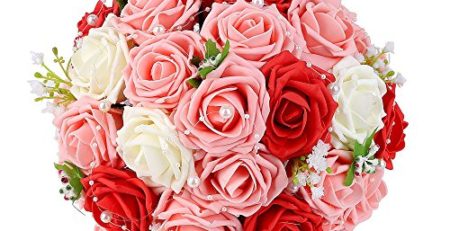
A round bouquet, sometimes called a sphere bouquet, has a more structured and formal appearance. The flowers are packed closely together to create a balanced, polished shape. This style is often chosen for traditional weddings and works beautifully when roses are the star of the arrangement.
Teardrop or cascading bouquet
A teardrop bouquet extends slightly downward and creates a graceful, flowing shape. This style can feel dramatic and elegant, especially for formal ceremonies. It is often larger and more visually striking, so it works best when you want the bouquet to make a statement.
How to Choose Rose Colors for Your Wedding
Color is one of the first decisions brides make, and it can be one of the most difficult. The good news is that roses come in a wide range of shades, making it easier to match your bouquet to your overall design.
Popular rose colors and their meanings
- Red: Love, passion, and romance
- White: Purity, innocence, and fresh beginnings
- Pink: Gratitude, admiration, and sweetness
- Ivory or cream: Warmth, elegance, and unity
- Blush: Soft romance and a subtle, modern look
Many brides choose a blend of colors rather than a single tone. A bouquet with ivory and blush roses, for example, feels romantic and soft without being overly traditional. A mix of white and red roses can create a bold, classic statement.
If you are matching your bouquet to a wedding color palette, bring fabric swatches, dress photos, or color chips with you when you shop. That simple step helps you compare shades accurately in natural light, which is especially important if you are choosing silk flowers or artificial plants for the ceremony and reception décor.
What Makes a Rose Wedding Bouquet Look Realistic?
If you are considering a silk flowers wedding bouquet, realism matters. A bouquet looks more convincing when it has variation, depth, and thoughtful finishing touches. Even artificial flowers can appear elegant and natural when they are arranged well.
Signs of a realistic faux bouquet
- Petals with subtle color variation
- Natural-looking flower sizes and shapes
- Flexible stems that can be adjusted into a lifelike position
- Greenery that does not overpower the roses
- Careful ribbon wrapping and neat finishing details
The best arrangements usually avoid looking too uniform. Real roses are never perfectly identical, so a little variation in petal shape, bloom size, and placement helps create a more authentic look. A touch of greenery, such as eucalyptus or ivy, can also soften the arrangement and make the roses stand out.
How to Build a Rose Bouquet Step by Step
If you want to make your own bouquet or help a friend or family member create one, the process is manageable with a little planning. This approach can be especially useful for brides working with a smaller budget.
- Choose your color palette. Decide whether you want one color or a mix of rose shades.
- Select the bouquet shape. Pick hand-tied, round, or teardrop based on your dress and style.
- Gather your materials. Use roses, greenery, floral tape, wire cutters, ribbon, and optional pins or decorative accents.
- Prepare the stems. Remove any unwanted leaves or excess material and trim stems to a comfortable length.
- Build the center. Start with one or two focal roses in the middle, then add blooms evenly around them.
- Add greenery and accent flowers. Place them where they create balance without hiding the roses.
- Secure the stems. Wrap floral tape tightly around the base before covering it with ribbon.
- Finish with ribbon or embellishments. Satin ribbon, lace, or a simple tie can complete the look.
If you are using silk flowers, shape the petals and stems before assembly. Taking a few minutes to fluff and bend the blooms can make a big difference in the final appearance.
Budget Tips for Wedding Bouquets
Wedding flowers can become expensive quickly, especially when a florist is creating multiple bouquets, boutonnieres, corsages, and centerpieces. Labor, materials, and flower availability all affect the final cost.
If you are trying to keep costs under control, consider these practical options:
- Choose fewer flower types and focus on roses as the main bloom
- Use smaller bouquets for bridesmaids
- DIY the bouquet if you or someone close to you has floral skills
- Use silk flowers for the bouquet and fresh flowers for select décor pieces
- Plan around seasonal availability if using fresh roses
It is also worth remembering that a simpler bouquet can still look elegant. A small cluster of roses with a bit of foliage and a ribbon can be just as beautiful as a larger, more elaborate design.
Mixing Roses with Other Flowers and Greenery
Roses pair well with many flowers, which makes them a strong foundation for mixed arrangements. Depending on the season and your wedding style, you might combine them with carnations, lilies, gerbera daisies, baby’s breath, or textured greenery.
Here are a few combinations that work well:
- Roses and eucalyptus: Soft, modern, and natural-looking
- Roses and ivy: Romantic with a slightly traditional feel
- Roses and lilies: Elegant and full-bodied
- Roses and carnations: Budget-conscious and long-lasting
When mixing flowers, be careful not to overcrowd the bouquet. The roses should still feel like the focal point. A few supporting elements are usually enough to create texture without making the arrangement feel busy.
Styling a Rose Bouquet for the Ceremony and Reception
Your bouquet should complement the rest of the wedding, not compete with it. Think about how the flowers will look against your dress, the bridesmaids’ outfits, the venue décor, and even the lighting in your photos.
For a church ceremony with formal décor, a round ivory rose bouquet may feel most appropriate. For a garden wedding, a hand-tied blush and white arrangement with loose greenery can feel more relaxed and organic. For a beach wedding in a sunny location, silk flowers can be helpful because they hold their shape better in heat and humidity.
If you plan to use the bouquet after the ceremony, silk flowers can also transition easily into home décor. A wedding bouquet can be displayed in a vase as a keepsake or reused in an anniversary setup, nursery, or bedroom décor arrangement.
How to Care for Silk Flower Bouquets
One reason many brides choose faux flowers is that they are easy to maintain. Still, a little care goes a long way, especially if the bouquet will be handled before the ceremony or saved afterward.
Cleaning and storage tips
- Dust gently with a microfiber cloth or soft brush
- Use a cool hair dryer on a low setting to remove dust from textured petals
- Spot-clean with a lightly damp cloth if needed, following the material’s care guidance
- Store in a clean box away from direct sunlight when not in use
- Avoid crushing the petals under heavy objects
If your bouquet includes ribbon, keep it dry and protected during storage. For brides planning a destination wedding, pack the bouquet in a sturdy box with tissue paper or soft padding so the flowers stay in shape during shipping or travel.
Important Safety Notes
Silk flowers and faux greenery are convenient, but they are not flame-resistant unless specifically labeled as such. Keep them away from open flames, candles, fire pits, and heat lamps. This is especially important for reception tables, church altars, and outdoor patios where guests may be using candles or sparklers.
If your bouquet will be photographed near candles or string lights, maintain a safe distance and follow venue rules. For outdoor ceremonies, think about sun exposure as well. Even realistic faux flowers can fade over time if left in strong direct sunlight for long periods.
Choosing the Right Bouquet for Your Wedding Style
The best rose bouquet matches your personal style and wedding setting. A bride who loves classic elegance may prefer red, white, or ivory roses in a formal round shape. A bride planning a rustic barn wedding may want a looser hand-tied bouquet with blush roses and greenery. Someone hosting a simple courthouse wedding may choose a small, refined bouquet that feels graceful without being oversized.
If you are torn between options, start with the dress. Then consider the venue, season, and overall color scheme. Those three factors will usually point you in the right direction.
A bouquet does not have to be large or expensive to feel meaningful. What matters most is that it reflects the bride’s style and fits the day beautifully.
Frequently Asked Questions
Q: Can silk flowers be used for a wedding bouquet?
A: Yes, silk flowers are commonly used for wedding bouquets. They can be prepared ahead of time, travel well, and hold up nicely throughout the day. Many brides choose them for convenience, budget, or keepsake value.
Q: Do artificial wedding flowers look realistic in photos?
A: High-quality artificial flowers can look very realistic in photos, especially when arranged with natural variation and good lighting. Petal texture, color depth, and careful styling all make a difference. Avoid overly shiny materials if you want a more natural look.
Q: How do you clean a silk flower bouquet?
A: Most silk bouquets can be cleaned with a soft cloth, feather duster, or cool air from a hair dryer on a low setting. If needed, spot-clean gently with a barely damp cloth. Always check the materials first so you do not damage delicate ribbon or finishes.
Q: Are silk flowers safe near candles?
A: Silk flowers should be kept away from open flames and heat sources unless they are specifically labeled flame-resistant. This includes candles, fireplaces, sparklers, and fire pits. Safety matters at both indoor and outdoor events.
Q: Can you mix real and artificial flowers in one bouquet?
A: Yes, mixing real and artificial flowers can work well if the colors and textures match closely. Some brides use fresh roses with silk greenery or faux accent blooms to stretch their budget. The key is making the arrangement look intentional and balanced.
Q: What makes silk flowers look more realistic?
A: Realism comes from subtle color variation, natural petal shaping, and thoughtful arrangement. Adding greenery, using different bloom sizes, and avoiding overly stiff stems can help. A little imperfection often makes the bouquet look more lifelike.
Q: How long do high-quality faux flowers last?
A: High-quality faux flowers can last for years if stored properly and kept away from harsh sunlight, moisture, and crushing. Their lifespan depends on the materials and how they are handled. They are often reused for home décor after the wedding.
Q: Are silk flowers a good choice for outdoor weddings?
A: Yes, they can be a practical choice for outdoor weddings because they are less affected by heat and humidity than fresh flowers. However, they should still be protected from direct sunlight for long periods to reduce fading. Use safe placement around candles and other heat sources.
Conclusion
A rose wedding bouquet is classic, elegant, and endlessly adaptable. Whether you choose fresh blooms or a thoughtfully arranged silk flowers wedding bouquet, roses offer beauty and meaning that fit almost any wedding style. With the right shape, colors, and finishing details, your bouquet can feel personal, timeless, and perfectly suited to your day.