Best Artificial Wedding Flowers
Best Artificial Wedding Flowers: A Practical Guide to Beautiful, Stress-Free Wedding Florals
Wedding flowers are more than décor. They help set the mood, tie together your colors, and show up in the photos you’ll look at for years. But fresh blooms can be expensive, seasonal, and surprisingly fragile. That’s why many couples are turning to silk flowers wedding options as a smart, stylish alternative.
Today’s artificial wedding flowers are a far cry from the stiff, overly shiny versions people used to picture. High-quality silk flowers can look soft, natural, and elegant, making them a realistic choice for bouquets, centerpieces, ceremony arches, and reception tables. If you want flowers that stay beautiful from the first photo to the last dance, faux blooms deserve a serious look.
Why Couples Choose Artificial Wedding Flowers
There are several practical reasons artificial wedding flowers have become so popular in the United States. Some couples want a specific flower that’s out of season. Others are planning on a tight budget or need florals that can travel well for a destination wedding. And many simply want a stress-free option that won’t wilt in the heat or suffer during transport.
Unlike fresh flowers, artificial blooms can be purchased well in advance. That makes planning easier, especially if you’re coordinating with a venue, a florist, or family members helping from different cities. You can also reuse some arrangements after the ceremony, which is a big plus for couples looking to stretch their wedding budget.
Common benefits of silk wedding flowers
- Long-lasting: They won’t wilt, bruise, or dry out before the ceremony ends.
- Budget-friendly: You may be able to create a fuller look for less than fresh flowers.
- Allergy-friendly: A good option for guests or wedding party members sensitive to pollen.
- Easy to plan: You can order ahead and arrange them on your own timeline.
- Travel-friendly: Easier to pack and transport than delicate fresh stems.
What Makes Silk Flowers Look Realistic?
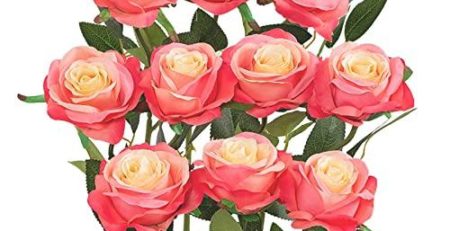
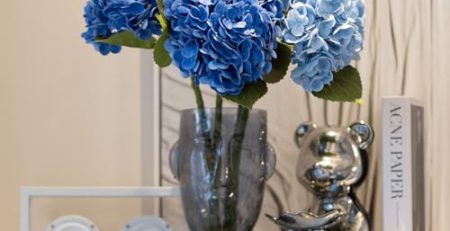
Not all faux flowers are created equal. The most realistic silk flowers tend to have natural-looking petal shapes, soft color gradients, and stems that don’t look overly glossy or plastic. Texture matters, too. Real flowers have subtle imperfections, so the best artificial blooms often include gentle variations in color and form.
When shopping for wedding flowers, pay attention to the details. Look at close-up photos if you’re buying online. A flower that looks believable from a distance should also hold up in wedding portraits, where the camera tends to reveal shiny finishes or unnatural shapes.
In general, silk flowers that look real often have:
- Layered petals with soft edges
- Matte or low-sheen finishes
- Natural-looking color variation
- Flexible stems for shaping
- Well-constructed centers and leaves
Best Wedding Uses for Artificial Flowers
Faux wedding flowers are versatile enough to work in nearly every part of the event. You can keep the look cohesive from the ceremony to the reception while making setup and cleanup much easier.
Bouquets
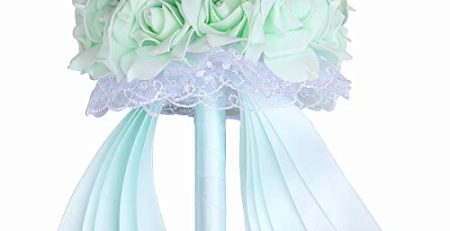
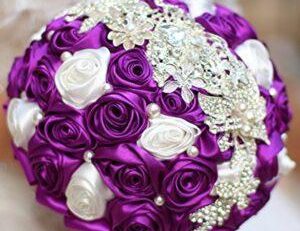
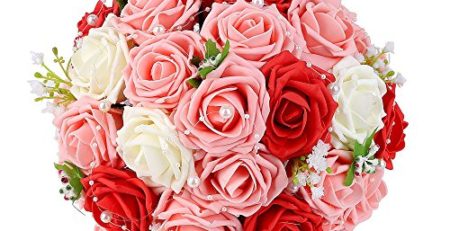
A bridal bouquet made with faux flowers can be designed well ahead of time and stored safely until the big day. This is especially helpful if your ceremony is in a hot climate, like Arizona, Texas, or Florida, where fresh flowers may fade quickly. Bridesmaids’ bouquets can also be made in advance and carried without worrying about water or drooping stems.
Ceremony arrangements
Think aisle markers, altar pieces, floral swags, and arch décor. Artificial flowers work well for outdoor weddings because they’re less vulnerable to wind, sun exposure, and sudden temperature changes. If your venue has long walkways, uncovered patios, or direct afternoon sun, faux flowers can be a reliable choice.
Reception centerpieces
Centerpieces often need to last through a long event, and silk flowers are ideal for that. They can be paired with candles, greenery, vases, lanterns, or table runners to create a polished look without worrying about refreshes between cocktail hour and dinner.
Entryway and photo backdrops
Artificial florals are a smart option for statement displays, especially when you want symmetry or a large-scale look. They’re also useful for photo backdrops because they hold their shape well under lights and camera flashes.
How to Choose the Best Artificial Wedding Flowers
Choosing wedding flowers is easier when you focus on a few practical details. Start with the overall style of your wedding, then think about color, scale, and how much handling the flowers will need.
1. Match the wedding style
A classic ballroom wedding may call for roses, peonies, or hydrangeas in soft neutrals. A rustic barn wedding might lean toward wildflower-style arrangements with greenery. A modern event could use simple monochrome bouquets or sculptural stems. The best flowers are the ones that fit the setting naturally.
2. Pay attention to color accuracy
Artificial flowers should complement your dress, linens, and venue décor. If you’re planning around a specific paint color, like a dusty blue wall accent or warm ivory draping, order samples or compare colors carefully before committing. Online images can vary based on lighting, so it helps to view product photos in natural light if possible.
3. Consider the scale of the arrangement
Large ceremony pieces need fuller blooms and sturdy stems. Smaller table arrangements can use more delicate flowers and greenery. Don’t assume one type of bloom works for everything. Mixing flower sizes often creates a more natural and balanced look.
4. Think about transport and storage
If your flowers need to travel, choose pieces that won’t crush easily. This matters for destination weddings, hotel-room prep, and any event where you’re moving décor between locations. Artificial flowers are generally easier to transport than fresh ones, but they still need protection from bending and dust.
How to Arrange Silk Flowers for a Wedding
If you’re making your own arrangements, a simple process can help you achieve a professional-looking result. Here’s a step-by-step approach that works well for bouquets and centerpieces.
- Choose your focal flowers. Pick the largest blooms first, such as roses, peonies, or hydrangeas.
- Add secondary flowers. Use smaller blossoms to fill out the arrangement and add depth.
- Incorporate greenery. Leaves and faux stems help soften the look and create shape.
- Build in layers. Place taller stems in the back or center and shorter pieces toward the edges.
- Step back and adjust. View the arrangement from a distance to check balance and symmetry.
- Secure the stems. Use floral tape, wire, or a suitable vase insert to keep everything in place.
For bouquets, rotate the arrangement as you build it so it looks good from every angle. For centerpieces, keep sight lines in mind so guests can still see across the table. A low arrangement often works better than a tall one for dinner tables.
A good artificial arrangement should look intentional, not overly packed. Leave a little breathing room so the flowers can mimic the softness of real blooms.
How to Clean and Maintain Artificial Wedding Flowers
One of the biggest advantages of faux florals is that they’re easy to maintain. Still, wedding flowers should look fresh and dust-free, especially if you’re preparing them weeks ahead of time.
Basic cleaning steps
- Dust gently. Use a soft microfiber cloth, feather duster, or clean makeup brush for delicate petals.
- Use compressed air carefully. A light burst can help remove dust from tight spaces, but keep the can at a safe distance.
- Spot clean if needed. A slightly damp cloth can remove smudges from stems or leaves. Test first to avoid damaging finishes.
- Let flowers dry fully. Never store them while damp.
For storage, keep flowers in a cool, dry place away from direct sun, attic heat, or damp basements. Sun exposure can fade many materials over time, even if the flowers are not real. If you’re storing arrangements after the wedding, wrap them carefully so petals and leaves don’t get crushed.
Artificial Wedding Flowers vs. Fresh Flowers
Both options have their place. Fresh flowers bring natural fragrance and a traditional feel. Artificial flowers offer consistency, control, and durability. The best choice often depends on your priorities, timeline, and venue conditions.
If you’re getting married outdoors in July, fresh blooms may struggle in the heat. If you’re planning a winter wedding with flowers that are not in season, faux florals can help you get the look you want without chasing unavailable varieties. For couples on a tight timeline, artificial flowers are often easier because they don’t require same-week delivery or last-minute care.
Many people also choose a hybrid approach. For example, you might use silk flowers for the bouquets and ceremony arch, then include a few fresh arrangements at the sweetheart table or cake display. That can help balance realism, scent, and budget.
Style Ideas for a Beautiful Wedding Look
Artificial wedding flowers can fit nearly any aesthetic. The key is to keep the styling cohesive and avoid mixing too many unrelated colors or bloom types.
Classic and elegant
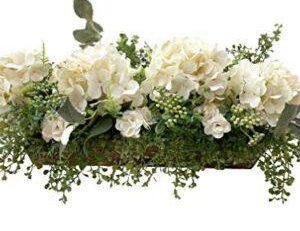
White roses, cream peonies, eucalyptus, and soft greenery create a timeless look that works well in churches, ballrooms, and formal venues.
Romantic and soft
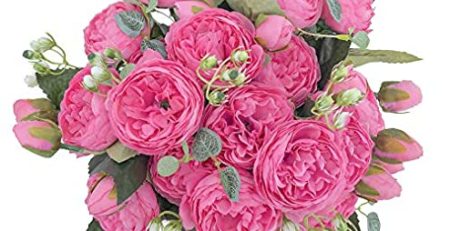
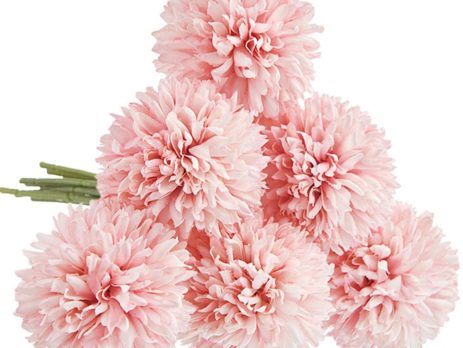
Dusty pink, blush, lavender, and pale peach pair nicely with flowing fabrics, candlelight, and vintage details.
Modern and minimal
Use a tighter palette with simple blooms and sculptural greenery. Clean lines and fewer flower types can make the design feel polished and contemporary.
Rustic and outdoor-friendly
Sunflowers, greenery, and mixed wildflower styles work well for barn weddings, garden weddings, and patio receptions. Faux flowers can be especially helpful in outdoor spaces with dry weather or intense sun exposure.
Safety Tips for Wedding Florals
Artificial flowers are generally low-maintenance, but a few safety reminders are worth keeping in mind.
- Keep faux florals away from open flames, candles, and sparklers unless they’re placed at a safe distance.
- Do not use damaged wiring or sharp floral picks where guests may brush against them.
- If flowers are used outdoors, secure them well so wind does not send lightweight pieces flying.
- Check venue rules before attaching décor to walls, railings, or drywall surfaces.
If you’re hanging arrangements on a wall or arch, use hardware or adhesives that are appropriate for the surface. On painted drywall, for example, some removable hooks work well, while stronger adhesives can damage the finish.
Planning Tips for a Smoother Wedding Day
A little organization goes a long way when working with artificial wedding flowers. Since you’re not dealing with same-day wilting, you can plan ahead and reduce last-minute stress.
- Order early: Give yourself time to compare styles and colors.
- Build a mock-up: Test one bouquet or centerpiece before assembling all of them.
- Label everything: Mark ceremony pieces, reception pieces, and personal florals clearly.
- Pack carefully: Use boxes, tissue paper, or garment bags to protect arrangements during transport.
- Assign setup help: Even simple décor is easier with a few extra hands.
If you’re flying to a destination wedding, check airline luggage rules and pack florals securely. If you’re driving, keep arrangements away from direct heat and avoid stacking heavy items on top of them.
Frequently Asked Questions
Q: Can silk flowers be used outdoors for a wedding?
A: Yes, silk flowers can be used outdoors, and they often perform better than fresh flowers in heat or wind. Just keep in mind that prolonged direct sunlight can fade many materials over time, so they should be stored and displayed carefully.
Q: Do artificial wedding flowers look fake in photos?
A: High-quality artificial flowers can photograph very well, especially when they have realistic texture, soft coloring, and natural shaping. Close-up shots may reveal shine or stiff construction if the flowers are low quality, so choosing well-made blooms matters.
Q: How do you clean silk flowers before a wedding?
A: Dust them gently with a microfiber cloth, soft brush, or feather duster. If needed, wipe stems and leaves with a slightly damp cloth, then let everything dry completely before storing or arranging.
Q: Are silk flowers safe near candles?
A: They should be kept away from open flames and hot candle tips. Even though they’re decorative, many faux flowers are made from materials that can melt or catch fire if placed too close.
Q: How long do high-quality faux flowers last?
A: With proper care, they can last for years. Their lifespan depends on material quality, sun exposure, storage conditions, and how often they’re handled.
Q: Can you mix real and artificial flowers in one wedding arrangement?
A: Yes, many couples use a mix of both. This can be a good way to manage budget, add fragrance, or use fresh blooms in key areas while relying on artificial flowers for larger displays.
Q: What makes silk flowers look realistic?
A: Realistic silk flowers usually have natural color variation, soft petal edges, layered construction, and stems that don’t look overly glossy. The more the flower resembles a real bloom in shape and texture, the more believable it tends to look.
Q: Are artificial wedding flowers worth it for a large event?
A: They can be a very practical choice for large weddings because they’re easier to plan, transport, and reuse. They also help control costs when you need many arrangements across a ceremony and reception.
Conclusion
The best artificial wedding flowers offer beauty, flexibility, and peace of mind. Whether you’re planning an indoor ceremony, an outdoor patio reception, or a destination wedding, silk flowers can help you create a polished look without the stress of wilting blooms or tight delivery windows. With thoughtful styling and proper care, they can be a smart, elegant part of your big day.