Artificial Flowers Centerpiece
Artificial Flowers Centerpiece: How to Create a Beautiful Display That Lasts
A well-designed centerpiece can completely change the feel of a dining table, entryway, coffee table, or event space. If you want something elegant, low-maintenance, and long-lasting, an artificial flowers centerpiece is a smart choice. With the right flowers, container, and styling approach, you can create a display that looks polished for everyday home décor, holiday gatherings, weddings, and special events.
One of the biggest advantages of using faux blooms is consistency. Fresh flowers are beautiful, but they fade quickly, need water, and can be tricky to transport. Artificial flowers, including realistic silk flowers, hold their shape and color much longer, which makes them especially useful for busy households and event planning in the United States where shipping delays, hot weather, and long setups can make fresh flowers less practical.
Why Choose Artificial Flowers for a Centerpiece?
Artificial flowers offer a mix of beauty and convenience that works well in real life. They are especially helpful when you want your arrangement to stay put for days or weeks without daily care.
- Long-lasting beauty: Faux flowers don’t wilt, drop petals, or require water changes.
- Low maintenance: A quick dusting or gentle wipe is often enough to keep them looking good.
- Allergy-friendly: They’re a practical choice for guests who are sensitive to pollen.
- Flexible design: You can use seasonal colors and flower types any time of year.
- Reusable: The same centerpiece can be repurposed for holidays, birthdays, or everyday décor.
For many homeowners, faux flowers are also easier to style in rooms with limited natural light. If you have a drywall accent wall, a small condo dining nook, or a space that gets inconsistent sunlight, artificial flowers can deliver the look you want without depending on growing conditions.
What Makes a Silk Flower Arrangement Look Realistic?
Not all artificial flowers look the same. High-quality silk flowers, while not always made only of silk, are generally designed to mimic the texture, shape, and color variation of real blooms. When people talk about silk flowers that look real, they usually mean flowers with thoughtful details rather than overly shiny petals or stiff stems.
Signs of a realistic faux flower
- Natural-looking color variation instead of one flat shade
- Petal shapes that resemble real blooms
- Flexible stems that can be bent and positioned
- Leaves and greenery that complement the flowers instead of looking plastic
- A finish that avoids excessive shine
If you’re shopping for a centerpiece, look for flowers that feel balanced in proportion. For example, a large table may need fuller blooms like hydrangeas or peonies, while a narrow console table may look better with a slimmer vase and fewer stems.
Best Flowers for an Artificial Centerpiece
Different flowers create different moods. Some feel romantic, some modern, and some classic. Choosing the right bloom type makes it easier to match your home décor or event theme.
Roses
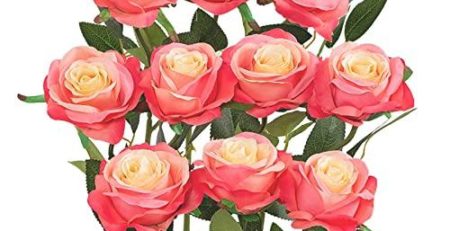
Roses are timeless and versatile. They work well for romantic centerpieces, formal dinners, and traditional décor. In white, blush, red, or cream, they’re easy to pair with candles, greenery, or glass containers.
Peonies
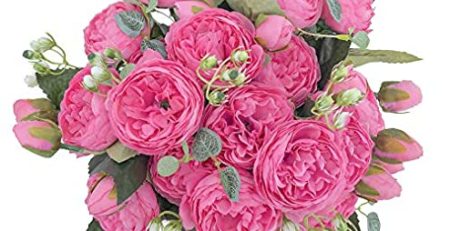
Peonies are a popular choice when you want a lush, soft look. Their full petals make them ideal for weddings, spring tablescapes, and feminine décor styles.
Orchids
Orchids bring a clean, modern feel. They fit especially well in contemporary spaces, spa-inspired bathrooms, or minimalist dining rooms.
Hydrangeas
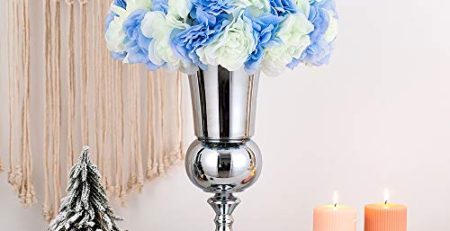
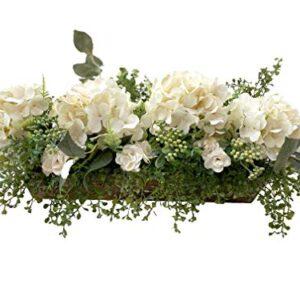
Hydrangeas are a strong option for fuller arrangements. Their large flower heads help create volume quickly, which is helpful if you want a centerpiece that looks abundant without using too many stems.
Tulips
Silk tulips work nicely for a fresh, seasonal look. They’re a good fit for spring gatherings, casual brunch tables, and simple home arrangements.
How to Build an Artificial Flowers Centerpiece Step by Step
Creating a centerpiece is easier when you follow a simple process. You do not need professional floral design training to make something attractive and balanced.
- Choose your setting. Decide where the centerpiece will live: dining table, coffee table, buffet, mantel, or event table.
- Pick a focal point. This could be one flower type, a color palette, or a standout container.
- Select your container. Choose a vase, bowl, basket, or low compote that fits the scale of the space.
- Build the base. Add floral foam, a grid, stones, or crumpled floral tape if needed to hold stems in place.
- Place the largest blooms first. Set your main flowers where they create the shape and height you want.
- Add secondary flowers and greenery. Fill gaps with smaller blooms, leaves, or filler stems.
- Adjust height and balance. Turn the arrangement around and check that it looks good from all angles.
- Finish with detail. Fluff petals, angle stems, and tuck in any visible support materials.
A helpful rule of thumb: centerpieces for dining tables should not block conversation. If the arrangement is too tall, guests may struggle to see one another across the table. For eating spaces, a lower, wider design often works better than a tall vertical arrangement.
Design Tips for a More Natural Look
The difference between an average faux arrangement and a beautiful one often comes down to styling details. Small changes can make the display feel more polished and less obviously artificial.
Mix flower sizes and textures
Combine larger blooms with smaller flowers and greenery. This creates depth and helps the arrangement look more like something gathered from a garden rather than lined up in a store.
Use varied stem heights
Cutting or bending stems to different lengths creates movement. A flat, even arrangement can look stiff, while slight height changes make it feel organic.
Choose the right vase
The vessel matters as much as the flowers. Clear glass, ceramic, metal, rattan, and stone containers each create a different style. A modern bouquet might look great in a simple glass cylinder, while a rustic setting may call for a matte ceramic vase or woven basket.
Add greenery thoughtfully
Leaves, eucalyptus, ferns, and other faux greenery help soften the design and hide any support materials. Greenery also adds contrast, which can make the flowers stand out more naturally.
Don’t overcrowd the arrangement
Too many stems packed too tightly can make a centerpiece feel heavy. Leave a little visual space so the flowers can breathe.
Where Artificial Flowers Work Best in the Home
An artificial flowers centerpiece is not just for special events. It can add warmth and color to everyday rooms as well.
- Dining table: A low arrangement creates a welcoming meal setting.
- Entryway table: A floral display adds a friendly first impression.
- Coffee table: Keep it compact so it doesn’t interfere with remotes, books, or trays.
- Kitchen island: Use a sturdy vase and avoid crowding prep space.
- Bathroom counter: Small faux flowers can soften hard surfaces and add color.
- Patio or covered porch: Artificial flowers can work in shaded outdoor areas if they’re suitable for exposure conditions.
If you’re decorating a bright room with strong sun exposure, remember that prolonged sunlight can fade many artificial materials over time. That’s especially important for homes with big south-facing windows or glass doors.
Can Artificial Flowers Be Used Outdoors?
Yes, but with limits. Some faux flowers and artificial plants are made for outdoor use, while others are best kept indoors or in covered spaces. Outdoor centerpieces on patios, porches, or screened-in rooms may face wind, heat, humidity, and direct sun, all of which can shorten the life of the arrangement.
If you want to use an arrangement outdoors, place it in a sheltered area and avoid leaving it in full sun for long periods. Strong winds can knock over lightweight containers, so use heavier vases or stable bases when needed.
How to Clean and Maintain Faux Flowers
Cleaning artificial flowers is usually simple, but it helps to do it correctly so you don’t damage delicate petals or stems.
Basic cleaning steps
- Dust the arrangement regularly with a soft microfiber cloth or feather duster.
- Use a can of compressed air carefully for hard-to-reach spots.
- For more buildup, gently wipe stems and leaves with a lightly damp cloth.
- Let the arrangement dry fully before placing it back on display.
If the flowers are very delicate, avoid soaking them unless the manufacturer specifically says they can be rinsed. Water can loosen adhesives or affect shape on some materials. A dry cleaning method is usually the safest choice.
Safety Notes for Centerpieces and Home Décor
Artificial flowers are convenient, but they still need to be used carefully. Many faux arrangements are made from synthetic materials that can melt or burn near heat sources.
- Keep faux flowers away from open flames, candles, fireplaces, and stovetops.
- Do not place them too close to heat vents or space heaters.
- If using candles in a centerpiece, choose battery-operated flameless candles for extra safety.
- Be careful with long stems around small children or pets.
For event tables, especially weddings or dinner parties, battery candles are often a better option than real flames. They create a similar look without the risk of scorching petals or tipping a container.
Choosing an Arrangement for a Wedding or Special Event
Artificial flowers can be an excellent choice for weddings, showers, memorials, and corporate events because they hold up during setup, travel, and long event timelines. They also make it easier to keep a consistent look across multiple tables.
For weddings, think about the full space, not just the bouquet or centerpiece. Ceremony aisles, escort card tables, welcome signs, and reception tables often look more cohesive when they share similar colors and flower styles. If the event is in summer, faux flowers also eliminate concerns about heat damage during transport or outdoor ceremonies.
In a U.S. event setting where vendors may be shipping décor across state lines, artificial centerpieces can reduce stress because they’re less sensitive to timing than fresh blooms. That said, it’s still important to order early so you have time to inspect the pieces and make any needed adjustments.
How to Style a Room Around an Artificial Centerpiece
A centerpiece looks best when it fits the room around it. You don’t need every object to match, but the colors and textures should feel intentional.
Use a simple color story
If your room already has warm wood tones, creamy walls, or neutral upholstery, choose flowers that complement those colors instead of competing with them. Soft whites, blush, sage, and muted coral often work well in everyday homes.
Repeat one detail elsewhere
Pick up a color from the arrangement in a pillow, runner, candle holder, or throw blanket. Small repetition makes the room feel cohesive.
Consider scale
A tiny vase can look lost on a large dining table, while an oversized arrangement may overwhelm a small apartment. Match the size of the centerpiece to the furniture around it.
Good centerpiece design is not about making the arrangement as large as possible. It’s about making it feel right for the room, the table, and the way people actually use the space.
When to Choose Silk Flowers Over Fresh Flowers
Silk flowers make sense when you want control, durability, and repeatable results. They’re especially useful if you host often, decorate seasonally, or need an arrangement to stay attractive through a long period of time.
Fresh flowers can be wonderful for short-term events, but silk and other faux flowers are usually the more practical option when you want a centerpiece that won’t need replacement every few days. They also give you more freedom to plan ahead, which is helpful if you’re preparing for a holiday dinner, a bridal shower, or a staged home sale.
Frequently Asked Questions
Q: Can silk flowers be used outdoors?
A: Yes, but they’re best used in covered or shaded areas. Direct sun, wind, and rain can shorten their lifespan and cause fading or damage over time.
Q: Do artificial flowers fade in sunlight?
A: Many artificial flowers can fade if exposed to strong sunlight for long periods. If you need décor near a bright window or outside, look for materials designed to hold color better and move them when possible.
Q: How do you clean silk flowers?
A: Dust them regularly with a soft cloth or duster. For a deeper clean, gently wipe them with a lightly damp cloth and let them dry fully before displaying.
Q: Are silk flowers safe near candles?
A: They should be kept away from open flames because many faux materials can melt or burn. Battery-operated candles are a safer choice for centerpieces.
Q: How long do high-quality faux flowers last?
A: High-quality faux flowers can last for years with proper care. Their lifespan depends on material quality, sunlight exposure, dust, and how often they’re handled.
Q: What makes silk flowers look realistic?
A: Natural color variation, flexible stems, realistic petal shapes, and matte or low-shine finishes all help. Good greenery and balanced arrangement design also make a big difference.
Q: Can you mix real and artificial flowers in one arrangement?
A: Yes, and many designers do. Mixing them can create a fuller look, especially if the faux flowers are used as a base and the real flowers are added for fragrance or freshness.
Q: Are UV-resistant faux plants worth it?
A: They can be a good choice if your arrangement will be exposed to bright sun for long periods. They are not completely fade-proof, but they may hold up better than standard faux materials.
Conclusion
An artificial flowers centerpiece is a practical, beautiful way to add style to your home or event space. With thoughtful flower choices, the right container, and a little attention to proportion and realism, you can create a display that feels polished without the upkeep of fresh blooms. Whether you prefer roses, peonies, orchids, hydrangeas, or tulips, a well-made faux arrangement can bring lasting color and charm to almost any room.