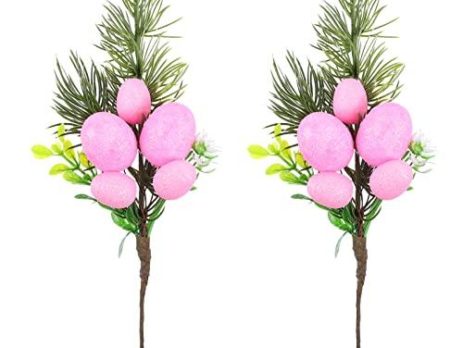
Easter Artificial Flowers
Easter Artificial Flowers: Fresh Spring Style Without the Short Lifespan
Easter is one of the easiest holidays to refresh your home for because the season already brings color, light, and a sense of new beginnings. Easter artificial flowers make that job simpler. They let you create cheerful spring décor that can last well beyond the holiday weekend, which is especially helpful if you want a display that looks good from March into late spring.
Whether you decorate a front door, a mantel, a dining table, or an entryway wall, realistic faux flowers can bring the feeling of the season indoors without the watering, wilting, or last-minute replacements that real blooms often require. If you choose well-made silk flowers and style them thoughtfully, the result can feel polished, welcoming, and easy to maintain.
Why Easter Artificial Flowers Work So Well for Spring Decor
Spring decorating is all about brightness, softness, and a little optimism. Easter-themed arrangements often include tulips, daffodils, lilies, daisies, yellow roses, eggs, bunnies, and pastel greenery. These elements feel seasonal without being overly specific, which means many arrangements can stay on display after Easter and still look appropriate for the rest of spring.
That flexibility is one of the biggest advantages of artificial flowers. A wreath with pastel blooms and a few Easter accents may look festive in April, then still fit nicely on a front door in May. A tabletop arrangement in a ceramic vase can work for Easter brunch and continue as everyday décor afterward.
Common Easter Flower Styles
- Tulips: A classic spring flower that feels fresh and simple.
- Daffodils: Bright and cheerful, often associated with the season.
- Lilies: Elegant and popular for Easter-themed décor.
- Daisies: Casual and friendly, great for farmhouse or rustic styles.
- Yellow roses: A warm choice that adds color without feeling heavy.
Where to Use Easter Faux Flowers in the Home
One reason artificial flowers remain so popular is that they can be styled almost anywhere. Their uses go far beyond a simple vase on the dining room table.
Front Door Wreaths
A wreath is one of the easiest ways to decorate for Easter. It gives guests an immediate seasonal welcome and works well on painted wood doors, fiberglass doors, and even sheltered apartment entries. If your door gets strong afternoon sun, a faux wreath can be a smarter choice than fresh blooms because it won’t wilt in heat.
Table Centerpieces
Artificial flower arrangements are a practical choice for Easter brunch, family dinners, or a casual weekend gathering. You can place one arrangement in the center of a table, or build a longer display using several smaller pieces, candles, and decorative eggs. Just be sure to keep faux greenery a safe distance from open flames.
Mantels and Wall Decor
If you have drywall walls, lightweight artificial wreaths, garlands, and floral sprays are easy to hang with the right wall-safe hardware. A pastel garland across a mantel or a floral arrangement above a fireplace can help tie together the whole room. If the fireplace is used often, keep all faux materials well away from heat and flame.
Entryways and Hall Tables
A narrow console table or entry bench is a great place for a small arrangement. This is especially helpful in homes where the front door area needs a quick seasonal update without a lot of clutter. A few blooms in a vase, a decorative rabbit figurine, and a candle holder can create a complete look with minimal effort.
What Makes Silk Flowers Look More Realistic
Not all faux flowers look the same. High-quality silk flowers typically have more natural color variation, better petal shaping, and stems that are easier to position. The term “silk flowers” is commonly used for artificial flowers in general, even when modern versions are made from materials other than silk.
If you want arrangements that feel believable at a glance, pay attention to these details:
- Color depth: Real flowers are rarely one flat shade.
- Petal texture: Soft variation looks more natural than glossy plastic.
- Leaf shape: Leaves should have realistic size and vein detail when possible.
- Stem flexibility: Bendable stems help you shape the bouquet naturally.
- Scale: Flowers that are too large or too small can look artificial quickly.
When people search for silk flowers that look real, they are usually looking for that balance between beauty and believability. Good design matters as much as material.
How to Arrange Easter Artificial Flowers Step by Step
Creating your own arrangement does not require professional training. A simple process can help you make something attractive and balanced.
- Choose a theme. Decide whether you want soft pastels, bright spring colors, farmhouse neutrals, or a classic Easter look with eggs and bunny accents.
- Select a base. Use a vase, basket, urn, wreath form, or shallow bowl depending on where the arrangement will go.
- Start with greenery. Add faux stems or filler foliage first to create volume and structure.
- Place the largest blooms. Put focal flowers such as lilies, tulips, or peonies where they will draw the eye.
- Fill gaps with smaller blooms. Add daisies, roses, or small sprigs to soften the shape.
- Adjust height and angle. Vary stem lengths so the arrangement does not look stiff or flat.
- Finish with accents. Add ribbon, decorative eggs, or a simple container that fits your room style.
If the bouquet looks too perfect, gently bend a few stems or turn blooms slightly off-center. Real flowers are never identical, and that small imperfection often makes faux arrangements feel more natural.
How to Style Easter Flowers for Different Rooms
Different rooms benefit from different kinds of arrangements. A tall entryway vase may not be the best choice for a small dining table, and a full wreath may overwhelm a narrow hallway. Matching the arrangement to the space helps your décor feel intentional.
Living Room
Use a medium centerpiece, mantel display, or side table arrangement. If the room gets direct sun through large windows, keep artificial flowers away from the strongest exposure to reduce fading over time.
Dining Room
Choose an arrangement low enough that guests can talk across the table easily. Easter brunch settings often look best with a low centerpiece, a runner, and a few small decorative accents.
Kitchen
A small vase of tulips or daffodils on a counter or breakfast nook adds color without taking up much space. Keep the arrangement away from stovetops and splatter zones.
Bathroom
Small faux flowers can soften a bathroom shelf or vanity. This is a nice place for arrangements that would not hold up well with water or humidity if they were real.
Covered Porch or Patio
Artificial flowers can be a helpful option for a covered outdoor space, but weather matters. Even outdoor-friendly faux greenery can fade in strong sun or suffer from wind and moisture if left exposed. A sheltered porch is usually a better setting than an uncovered patio in a harsh climate.
How to Clean Silk Flowers and Keep Them Looking Fresh
Dust is the biggest enemy of artificial flowers. Over time, dust can make even a beautiful arrangement look dull. Regular care helps preserve both the color and shape.
The safest cleaning method depends on how delicate the flowers are, but simple dust removal is often enough.
Basic Cleaning Method
- Remove the arrangement from direct sunlight if possible.
- Use a soft feather duster, microfiber cloth, or gentle brush to remove loose dust.
- For detailed areas, use compressed air on a low setting and keep the nozzle at a safe distance.
- Wipe containers separately so dust does not transfer back onto the blooms.
Avoid harsh cleaners, soaking, or scrubbing. Paper towels and spray detergents can leave residue or flatten petals, which may make the flowers look worse instead of better.
Helpful tip: If you use compressed air, keep the pressure low. Too much force can bend stems, loosen petals, or blow delicate pieces apart.
How to Store Artificial Flowers Between Holidays
One of the best things about Easter artificial flowers is that you can save them for next year or use them again for another spring display. Proper storage helps keep them in good condition.
- Store them in a dry place away from heat and moisture.
- Use a box or bin that protects petals from being crushed.
- Wrap fragile stems or floral picks in tissue paper.
- Label storage containers so you can find spring décor quickly next year.
If your flowers have ribbons, eggs, or other decorations attached, make sure those details are not pressed flat during storage. A little extra space can save time when decorating the following season.
Safety Tips for Faux Flowers and Faux Greenery
Artificial flowers are low-maintenance, but they still need sensible handling. This is especially true in homes with children, pets, candles, or fireplaces.
- Keep faux arrangements away from open flames, heat vents, and fireplaces.
- Do not place artificial flowers directly beside stovetops or space heaters.
- If you use candles in a centerpiece, leave enough space so petals and stems cannot catch fire.
- Check that hanging décor is secured properly on walls or doors.
These precautions are simple, but they matter. A beautiful display should also be a safe one.
Choosing the Right Look for Your Home
The best Easter arrangement depends on your style. A farmhouse home may look best with rustic wreaths, muted greenery, and soft florals in a basket. A traditional home may suit lilies, tulips, and a formal vase. A colorful family room may handle brighter pastels and playful bunny accents with ease.
If you want a display that can last beyond Easter, choose flowers and colors that feel like spring more broadly. That way, your décor can transition from holiday-specific to general seasonal style without needing a complete reset.
Frequently Asked Questions
Q: Can silk flowers be used outdoors?
A: Yes, but only in appropriate conditions. Covered porches and sheltered entryways are usually better than fully exposed patios, since sun, wind, and moisture can fade or damage faux flowers over time.
Q: How do you clean silk flowers?
A: Use a soft microfiber cloth, feather duster, or gentle brush for regular dusting. For deeper cleaning, low-pressure compressed air can help remove dust from detailed petals and leaves.
Q: Are artificial flowers safe near candles?
A: They can be used near candles only if there is enough distance to prevent heat or flame contact. Never place faux greenery or petals where they could touch an open flame.
Q: What makes silk flowers look realistic?
A: Natural color variation, believable petal shape, realistic leaf detail, and flexible stems all help. Good arranging also matters, since real flowers are never perfectly symmetrical.
Q: Do artificial flowers fade in sunlight?
A: Yes, they can fade if exposed to strong sunlight for long periods. If you want them to last longer, keep them out of direct sun or use them in shaded spots.
Q: Can you mix real and artificial flowers in one arrangement?
A: Yes, and many people do. Mixing real and faux blooms can help an arrangement look fuller, especially for special occasions like Easter brunch or spring gatherings.
Q: How long do high-quality faux flowers last?
A: With proper care and storage, they can last for years. Dusting them regularly and keeping them away from harsh sun and heat will help preserve their appearance.
Q: Are UV-resistant faux plants worth it?
A: They can be a good choice for covered outdoor spaces or bright rooms. They are still not completely immune to fading, but they often hold color better than standard artificial greenery in sunny conditions.
Conclusion
Easter artificial flowers are a simple, flexible way to bring spring into your home. They work well for wreaths, centerpieces, mantel décor, and entryway accents, and they can often be reused throughout the season with very little upkeep. With the right style, careful cleaning, and thoughtful placement, faux flowers can help your home feel fresh, welcoming, and ready for spring.