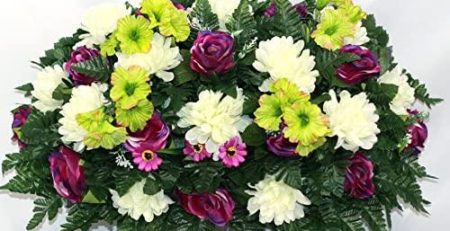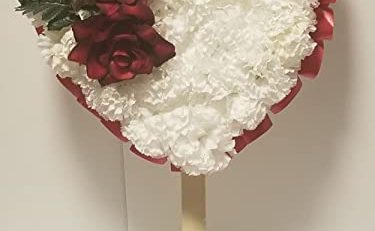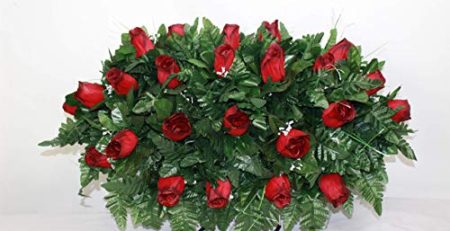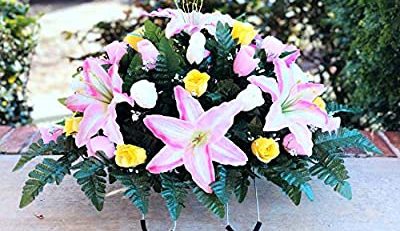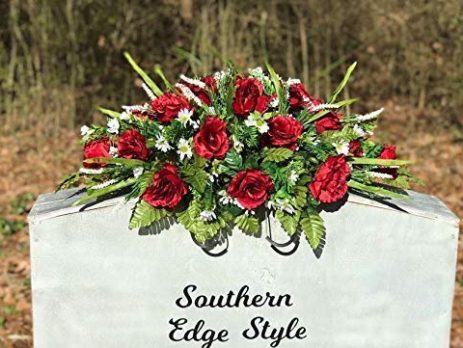
Cemetery Planters
Cemetery Planters: A Thoughtful Way to Honor Loved Ones
When words feel inadequate, flowers can offer comfort, beauty, and a quiet expression of remembrance. Cemetery planters are one of the most meaningful ways to decorate a gravesite because they create a lasting tribute that can be refreshed through the seasons. For many families in the United States, they provide a practical and respectful way to keep a loved one’s resting place cared for year-round.
Whether you are choosing cemetery planters for a recent loss, planning a graveside decoration for Memorial Day, or looking for a low-maintenance tribute that can withstand weather, understanding your options can help you make a thoughtful choice. This guide covers what cemetery planters are, how they differ from other funeral flower arrangements, how to choose and maintain them, and what to consider when using silk flowers or artificial plants for a gravesite display.
What Are Cemetery Planters?
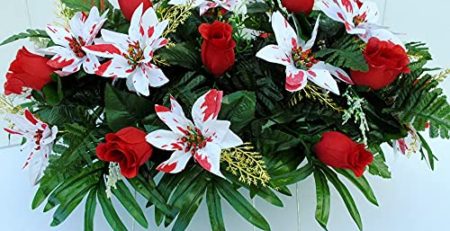
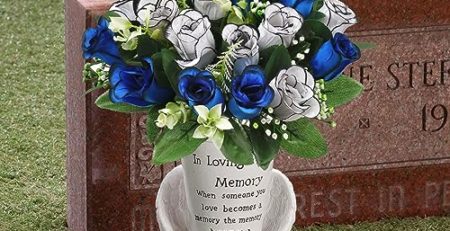
Cemetery planters are containers designed to hold flowers or greenery at a gravesite. They are usually made to sit securely near a headstone, marker, or memorial stone and are intended to withstand outdoor conditions better than a typical indoor vase or bouquet holder. Some are simple and modest, while others are more decorative and suited for seasonal displays.
Unlike cut-flower arrangements, cemetery planters are often used with silk flowers, artificial plants, or hardy live plants. That makes them especially helpful for families who may not be able to visit frequently but still want the grave to look cared for between visits.
Why Cemetery Planters Are Meaningful
Gravesite flowers serve more than a decorative purpose. They represent remembrance, love, and continued connection. A well-chosen cemetery planter can reflect the personality of the person being honored, such as their favorite colors, seasonal blooms they loved, or a simple and elegant arrangement that feels timeless.
Many people choose cemetery planters because they offer a balance of beauty and practicality. Fresh flowers may be beautiful, but they fade quickly, especially in hot weather, heavy rain, or windy conditions. A planter with silk flowers or durable faux greenery can keep its appearance longer and reduce the need for frequent replacement.
Choosing the Right Cemetery Planter
There is no single right way to decorate a gravesite, but there are a few practical things to consider before buying or arranging a planter.
1. Check the cemetery’s rules
Every cemetery is different. Some allow only certain types of containers or limit when decorations may be placed. Others may have restrictions on height, materials, or placement near the stone. It is always wise to check the cemetery’s guidelines before purchasing anything.
2. Consider weather exposure
If the gravesite is in an area with strong sun, heavy wind, or frequent rain, choose a planter that is stable and outdoor-friendly. In much of the U.S., summer heat can fade inexpensive faux greenery, while winter freeze and thaw cycles can damage delicate materials. A sturdy container with weighted support is often a better choice for exposed locations.
3. Match the planter to the memorial space
A small flat marker may need a lower, simpler arrangement so it does not overpower the stone. A larger upright headstone can sometimes accommodate a fuller graveside display. The goal is to create a respectful tribute that complements, rather than distracts from, the memorial.
4. Think about maintenance
If the family will visit often, a live planting may be appropriate. If visits are less frequent, silk flowers or artificial plants can be a practical alternative. They require less upkeep and can be arranged to hold up longer between visits.
Silk Flowers and Cemetery Planters
Silk flowers are often used in cemetery planters because they can look elegant with minimal maintenance. Today’s higher-quality options can be surprisingly realistic, especially when they use natural-looking color variation, detailed petals, and greenery with a soft matte finish. The best silk flowers for arrangements are usually those that avoid overly shiny materials and have stems that can be shaped easily.
Silk flowers are especially useful for people who want a gravesite arrangement that remains attractive through changing seasons. They are also a good option for families who live far away and may only visit a few times a year.
Helpful tip: If you are choosing silk flowers for a cemetery planter, select colors that can withstand fading better in sunlight. Deep reds, burgundy, white, lavender, and greenery often age more gracefully than very pale pastel tones in intense outdoor exposure.
What Makes Faux Flowers Look Realistic?
If you want a cemetery planter that feels heartfelt rather than artificial, realism matters. High-quality silk flowers and realistic faux flowers typically have:
- Natural color gradients instead of flat, uniform coloring
- Soft, flexible petals and leaves
- Stems that can be bent or shaped
- Greenery with a less glossy finish
- Blooms in sizes and forms that resemble real flowers
Even simple arrangements can look beautiful if they are well proportioned. A few carefully selected blooms with balanced greenery often feel more tasteful than an overcrowded display.
How to Arrange Cemetery Planters Step by Step
If you are making your own gravesite display, a thoughtful arrangement can be created in a few simple steps.
Step 1: Choose the container
Select a planter or container that is stable enough for outdoor use. It should fit the memorial space and not block inscriptions or important features of the stone.
Step 2: Add a secure base
If your container is lightweight, consider adding gravel, floral foam designed for outdoor use, or another stable filler to help keep it from tipping in the wind. Make sure the base is appropriate for the material and placement area.
Step 3: Build the greenery first
Start with faux greenery or supporting stems. This helps create shape and fullness before the flowers are added. Place taller stems in the center or back and shorter pieces toward the front.
Step 4: Add the focal flowers
Insert the largest blooms first so you can establish the overall design. Then fill in with smaller flowers and accent pieces. For a memorial arrangement, fewer high-quality blooms often create a more elegant result than too many mixed styles.
Step 5: Step back and balance the design
Look at the planter from several angles. Make sure the arrangement is even, that no stems are awkwardly sticking out, and that the shape works with the monument.
Step 6: Secure the arrangement
If the planter will be outdoors, use floral picks, wire, or other secure methods to keep pieces in place. Wind can quickly loosen lightweight stems, especially in open cemetery spaces.
Best Flowers and Colors for a Memorial Tribute
There are no strict rules for which flowers to use, but some choices are especially common for graveside arrangements because they carry traditional meaning or hold up well in faux form.
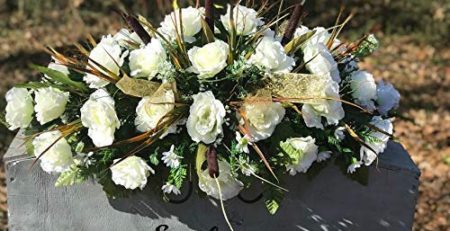
- White flowers: Often associated with peace, remembrance, and purity
- Red flowers: Can symbolize love and devotion
- Pink flowers: Often used to express gratitude and affection
- Purple flowers: Sometimes associated with dignity and respect
- Greenery: Adds a calm, natural look and can help the arrangement feel fuller
Some families choose flowers that reflect the season, while others select the deceased person’s favorite blooms. For example, a grandmother who loved gardening may be honored with a bright spring planter, while a veteran may be remembered with a simple red, white, and blue display during holidays.
Live Plants vs. Silk Flowers for Cemetery Planters
Both live plants and artificial plants have their place in graveside décor. The best choice depends on your schedule, climate, and the cemetery’s rules.
Live plants
Live plants can feel especially meaningful because they grow and change over time. However, they need watering, sunlight, and regular maintenance. In some cemeteries, that may be difficult if visits are infrequent.
Silk flowers and artificial plants
Silk flowers are easier to maintain and can remain attractive through much of the season. They are often a better fit for families who want a beautiful grave decoration without worrying about wilting or frequent replacement.
If the memorial area is in full sun, look for materials that are intended for outdoor use when possible. Even then, remember that prolonged sun exposure can affect color over time. Rotating arrangements seasonally can help keep them looking fresh.
How to Clean and Maintain Faux Cemetery Arrangements
Keeping a cemetery planter neat does not take much work, but a little care goes a long way.
Cleaning steps
- Gently shake off dirt, pollen, and debris.
- Use a soft cloth or small brush to remove dust from petals and leaves.
- If needed, wipe with a slightly damp cloth. Avoid soaking delicate materials.
- Let the arrangement dry fully before returning it to the grave site.
- Check for loose stems, faded colors, or weather damage during each visit.
If the arrangement is outdoors in a dusty or windy area, cleaning it every few weeks can help it stay presentable. For added protection, store seasonal pieces indoors when not in use.
Safety Considerations at the Gravesite
Respectful memorial décor should also be safe. Avoid placing faux flowers or artificial greenery near open flames, lanterns, or memorial candles unless the items are clearly separated and safe from heat. Many synthetic materials can melt or burn if exposed to flame.
Also be careful not to use anything that could blow into walkways or damage neighboring graves. In cemeteries with frequent maintenance, planters that are too large or loosely anchored may be moved, damaged, or removed.
How Cemetery Planters Fit Into Funeral Flower Traditions
Cemetery planters are part of a larger tradition of using flowers to express sympathy and remembrance. While funeral wreaths, standing sprays, casket sprays, and basket arrangements are often used during the service itself, cemetery planters extend that tribute after the funeral has ended.
They are especially meaningful because they continue the act of care. Instead of one moment of remembrance, the gravesite remains decorated and honored over time. For many families, that ongoing presence offers comfort long after the service is over.
Practical Ideas for Seasonal Cemetery Displays
Many families refresh gravesite decorations throughout the year. Seasonal cemetery planters can be a simple way to keep the memorial feeling cared for without needing a full redesign each time.
- Spring: Soft pastels, tulips, daisies, or lilies
- Summer: Brighter colors, greenery, or patriotic arrangements for holidays
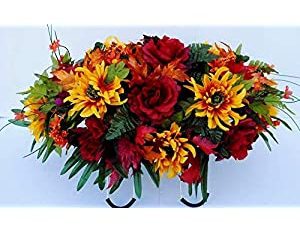
- Fall: Rust, gold, burgundy, and mums-inspired designs
- Winter: Evergreen-style greenery, white blooms, and simple ribbon accents
In many parts of the U.S., weather shifts can be dramatic, so choosing arrangements that are easy to swap out helps keep the memorial neat and seasonally appropriate.
How to Make a Gravesite Tribute Feel Personal
The most meaningful cemetery planters often reflect the person being remembered. A few small choices can make the arrangement feel deeply personal:
- Use their favorite flower or color
- Choose a style that matches their personality, such as simple, classic, or bright and cheerful
- Include a small memorial accessory if the cemetery allows it
- Refresh the arrangement on birthdays, anniversaries, or holidays
Even if the planter is simple, a personal touch can make it feel like a genuine tribute rather than just decoration.
Frequently Asked Questions
Q: Can silk flowers be used outdoors in a cemetery planter?
A: Yes, silk flowers are commonly used outdoors in cemetery planters. They are a practical choice for gravesites because they do not wilt, but sunlight, wind, and rain can still cause fading or wear over time.
Q: Do artificial plants fade in sunlight?
A: Yes, many artificial plants and faux flowers can fade with prolonged sun exposure. Materials made for outdoor use may hold up better, but no product is completely immune to weathering.
Q: How do you clean silk flowers for a gravesite display?
A: Gently remove dust and dirt with a soft cloth, brush, or a light wipe using a damp cloth. Let the flowers dry fully before placing them back outdoors.
Q: Are silk flowers safe near candles or memorial flames?
A: No, silk flowers and artificial greenery should be kept away from open flames. Synthetic materials can melt or catch fire, so leave a safe distance around candles and lanterns.
Q: How long do cemetery planters last?
A: The lifespan depends on the container material, weather exposure, and the quality of the flowers or greenery. High-quality arrangements can last for months or longer, but outdoor conditions may shorten that time.
Q: Can you mix real and artificial flowers in one cemetery planter?
A: Yes, some people mix live greenery with silk flowers for a fuller look. Just make sure the live materials can survive in the planter’s location and that the arrangement remains stable outdoors.
Q: What makes silk flowers look realistic?
A: Realistic silk flowers usually have natural color variation, soft texture, and well-shaped petals and leaves. A balanced arrangement with quality greenery also helps the display feel more lifelike.
Q: Are cemetery planters a respectful alternative to fresh flowers?
A: Yes, cemetery planters are widely used as a respectful and lasting tribute. They can be especially helpful when frequent flower replacement is not practical.
Conclusion
Cemetery planters offer a beautiful way to honor someone’s memory with care and dignity. Whether you choose live plants, silk flowers, or realistic faux greenery, the most important thing is the thought behind the tribute. A well-chosen gravesite arrangement can bring comfort to family members and help keep a loved one’s memory present through every season.