Tombstone Saddle
Tombstone Saddle: A Practical Guide to Grave Floral Arrangements and Sympathy Flowers
A tombstone saddle is one of those funeral and memorial terms that can mean different things depending on who is using it. In the simplest sense, it refers to a floral arrangement designed to sit securely on top of a vertical headstone, monument, or grave marker. In many cases, the term also includes the metal frame that helps hold the arrangement in place.
If you’ve ever searched for the right grave flowers and felt confused by words like tombstone saddle, gravestone spray, headstone arrangement, or memorial flowers, you’re not alone. The language varies from florist to florist, and from region to region. What matters most is choosing an arrangement that is respectful, secure, and appropriate for the person and the setting.
This guide explains what a tombstone saddle is, how it differs from other memorial flower options, and how to choose funeral flowers with care. It also includes practical tips for using silk flowers and other artificial arrangements in a way that looks tasteful and lasts longer.
What Is a Tombstone Saddle?
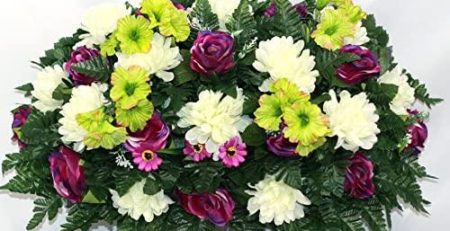
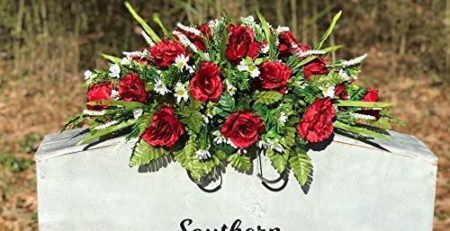
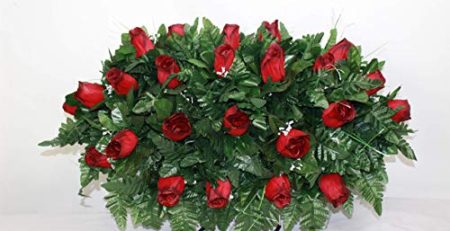
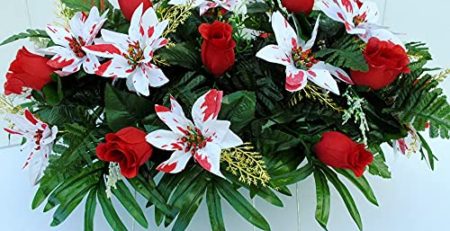
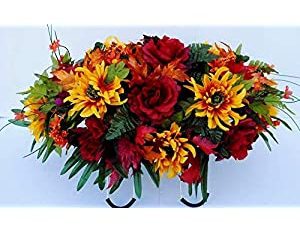
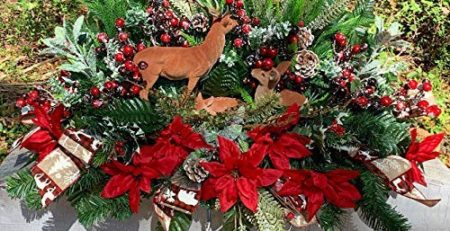
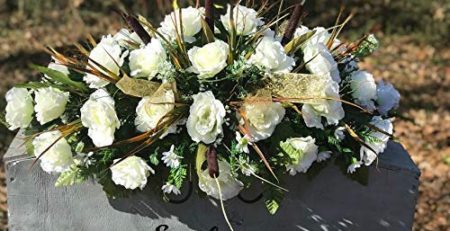
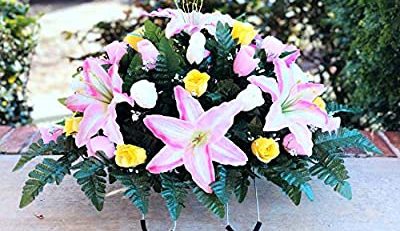
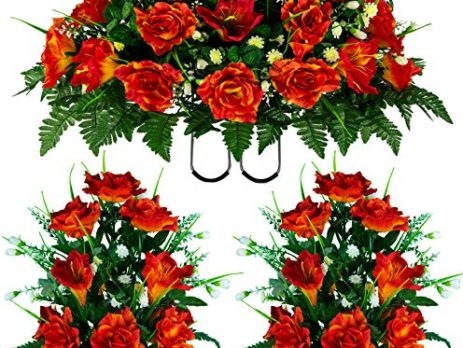
A tombstone saddle is a floral holder designed to rest across the top of a vertical headstone or monument. The metal frame typically curves like a saddle so it can sit over the stone and help stabilize the arrangement. Flowers are then attached to the frame, creating a memorial display that stays in place better than loose stems would.
People sometimes use the term to describe the entire floral piece, not just the frame. That’s where the confusion starts. In a florist’s language, you may hear:
- Saddle meaning the frame only
- Headstone arrangement meaning the finished floral display
- Gravestone spray or memorial spray meaning a similar decorative tribute
In practice, the goal is the same: to honor a loved one with flowers that are secure, dignified, and appropriate for the site.
How a Tombstone Saddle Differs From Other Funeral Flower Arrangements
Not all condolence flowers are meant for the cemetery. Some are designed for the funeral home, church, or family residence. Others are meant to stay at the gravesite. Knowing the difference can help you choose the right arrangement and avoid awkward delivery problems.
Common funeral flower types
- Casket spray: Usually selected by immediate family and placed on the coffin during the service.
- Standing spray: An easel-mounted arrangement often displayed at a funeral home or memorial service.
- Wreath: A circular tribute symbolizing remembrance and continuity.
- Basket or vase arrangement: Easier for family to take home after the service.
- Tombstone saddle: Designed for placement on a headstone or monument at the gravesite.
If you are not sure which one to send, think about where the flowers will be used. A tombstone saddle is best when the flowers are meant for the grave itself, especially if the family wants a lasting tribute at the cemetery.
Choosing Flowers for a Memorial or Funeral
Selecting sympathy flowers is personal, but there are a few reliable guidelines that can help. The best choice depends on your relationship to the deceased, the family’s preferences, the season, and the setting of the service.
1. Consider the relationship
Immediate family often chooses more prominent arrangements such as casket sprays or large wreaths. Friends, coworkers, neighbors, and extended relatives often send standing sprays, vase arrangements, or smaller memorial pieces. For a gravesite tribute, a tombstone saddle can be a thoughtful option if cemetery rules allow it.
2. Think about the person’s style
Memorial flowers should reflect the person being honored. Some people are remembered through soft pastel blooms, while others are better represented by bold colors, tropical flowers, or simple white arrangements. If the loved one had a favorite flower or color, that personal detail can make the tribute feel more meaningful.
3. Use flowers with symbolic meaning when helpful
- Lilies: Often associated with sympathy, purity, and peace.
- Roses: White roses are commonly used for memorials because they suggest honor and remembrance.
- Carnations: Long-lasting and often used in funeral work; they can represent love and memory.
- Daisies: A gentle choice, especially for a child’s funeral or for someone remembered for simplicity and warmth.
- Chrysanthemums: Used in many traditions as funeral flowers; in the United States, their meaning can vary by region and family background.
When choosing flowers, the safest approach is to prioritize sincerity over symbolism. A simple arrangement that feels thoughtful is often more comforting than something elaborate that does not reflect the person being remembered.
Why Silk Flowers Are Often a Good Choice for Tombstone Saddles
Many families choose silk flowers or other artificial flowers for cemetery use because they can last longer than fresh blooms, especially in hot, dry, windy, or low-maintenance settings. That can be helpful for gravesites that are visited infrequently or located in areas with limited shade and regular sun exposure.
That said, “silk” flowers are usually made from synthetic materials, not actual silk. The term is commonly used in the floral industry to describe artificial blooms that are designed to look natural. Higher-quality versions tend to have more realistic color variation, softer petal shaping, and better detail in the leaves and stems.
Silk flowers can be especially useful if you want:
- A longer-lasting graveside display
- A tribute that can withstand occasional weather changes better than fresh flowers
- A low-maintenance option for cemetery visits from a distance
- A seasonal arrangement that can be reused or refreshed later
For people who live far from the cemetery, artificial flowers can also reduce shipping concerns. Fresh arrangements are often more fragile and time-sensitive, while faux flowers can usually be shipped with less risk of wilting during transit.
How to Choose a Tombstone Saddle Arrangement
If you are selecting a tombstone saddle, the main priorities are fit, stability, appearance, and compliance with cemetery rules. Some cemeteries have restrictions on what can be placed on graves, so it is smart to check before buying anything.
Step 1: Check the cemetery rules
Ask whether the cemetery allows saddles, what size is permitted, and whether there are seasonal restrictions. Some cemeteries only allow certain arrangements during mowing season or may require flowers to be removable when maintenance is scheduled.
Step 2: Measure the headstone
Not all monuments are the same size. A saddle that is too small may shift in wind, while one that is too large may sit awkwardly or not fit safely across the stone. If possible, measure the width and shape of the top edge of the marker before ordering.
Step 3: Decide between fresh and artificial flowers
Fresh flowers can be beautiful for immediate memorial services, but silk flowers often make more sense for longer display at the gravesite. If the area gets strong sun, weather exposure, or seasonal temperature swings, realistic faux flowers may hold up better than fresh stems.
Step 4: Choose a color palette
White, cream, lavender, pink, red, and soft mixed arrangements are common for sympathy flowers. In general, subdued or elegant colors feel most appropriate. If the deceased loved bright flowers, a more vivid palette can be a heartfelt tribute.
Step 5: Consider durability
For outdoor cemetery use, look for sturdy stems, secure attachments, and materials that are less likely to droop or shed. If the arrangement will sit in direct sun, ask whether the materials are suitable for outdoor use. Even then, no artificial flower is completely immune to fading over time.
How to Make a Memorial Arrangement Look Thoughtful and Natural
If you are arranging flowers yourself, a few simple techniques can make the finished piece look more balanced and dignified. The same principles apply whether you are making a grave saddle, a vase arrangement, or a sympathy bouquet.
Simple arranging steps
- Start with a clean base. Make sure the saddle frame or container is clean and stable.
- Use a focal flower. Place your largest blooms first so the arrangement has a clear center of interest.
- Build outward. Add medium flowers next, then fill in with smaller blooms and greenery.
- Keep the silhouette balanced. A memorial arrangement should feel full but not overstuffed.
- Secure all stems. Make sure nothing is loose enough to blow away in the wind.
When using artificial flowers, trim stems as needed and adjust the bend of the stems so the flowers sit naturally. A little variation in height and angle usually looks more realistic than a perfectly uniform cluster.
Styling Tips for Sympathy Flowers and Memorial Spaces
Flowers at a funeral or gravesite should support the moment, not overwhelm it. The best arrangements are often those that feel calm, clean, and respectful.
Keep the look simple
Too many competing colors or oversized pieces can distract from the memorial itself. A quiet arrangement of white lilies, pale roses, and greenery often feels timeless and appropriate.
Match the location
For indoor services, you may be able to use more delicate flowers or containers. For outdoor cemetery placements, choose materials that can handle sun, breeze, and occasional rain. On a concrete grave marker or granite monument, a tombstone saddle can give the display a more secure look than loose flowers would.
Use greenery thoughtfully
Greenery adds texture and helps flowers look fuller. Faux eucalyptus, fern, or leafy stems can make a floral saddle feel more natural. Just avoid overcrowding the arrangement so it still looks graceful from a distance.
Be careful with candles
Keep artificial flowers, silk greenery, and decorative ribbons away from open flames. If candles are part of a service, place them well away from faux arrangements to reduce fire risk.
How to Care for Silk Flowers and Artificial Memorial Arrangements
Artificial flowers are low-maintenance, but they still need occasional care to stay presentable. Dirt, pollen, and dust can build up, especially if the arrangement is outdoors.
Cleaning steps
- Dust gently. Use a soft brush or microfiber cloth to remove loose debris.
- Rinse carefully if needed. Some artificial flowers can be lightly rinsed, but always check the material first.
- Let them dry completely. Place the arrangement in a shaded, ventilated area until no moisture remains.
- Inspect for damage. Replace faded or bent pieces if the arrangement no longer looks respectful.
If the flowers are displayed outdoors year-round, expect some wear over time. Direct sunlight can fade even good-quality faux blooms. Periodically rotating or refreshing the arrangement can help it look its best.
When to Send Flowers Beyond the Funeral
Sympathy flowers are not limited to the day of the service. Many people find comfort in sending flowers later, especially when grief feels quieter but still present.
Good times to send flowers include:
- The week after the funeral
- A birthday or anniversary of death
- Holidays that may feel especially hard
- A cemetery visit or memorial gathering
Sending a thoughtful bouquet, plant, or cemetery saddle later can remind the family that their loved one is still remembered. That simple gesture often means a great deal.
Choosing the Right Message With Sympathy Flowers
When you send flowers, the card message matters almost as much as the arrangement. Keep it brief, sincere, and personal. You do not need to write something elaborate.
Examples include:
- With deepest sympathy and heartfelt condolences.
- Thinking of you and honoring a beautiful life.
- May these flowers bring a small measure of comfort.
- With love and remembrance during this difficult time.
If you are unsure what to say, a florist can often help you word a short, respectful note. The best message usually sounds like you, not like a formal template.
Frequently Asked Questions
Q: What is the difference between a tombstone saddle and a gravestone spray?
A: A tombstone saddle usually refers to a floral holder and the arrangement placed on top of a vertical headstone. A gravestone spray may describe a similar tribute, but the term is used more broadly and can vary by florist or region.
Q: Can silk flowers be used outdoors on a tombstone saddle?
A: Yes, silk flowers can be used outdoors, but their lifespan depends on the materials and weather exposure. Sun, rain, and wind can eventually cause fading or wear, so it helps to check them periodically.
Q: Do artificial flowers fade in sunlight?
A: They can fade over time, especially if they are in direct sun for long periods. Some faux flowers are made to handle outdoor use better than others, but no artificial material is completely fade-proof.
Q: How do I clean silk flowers on a memorial arrangement?
A: Dust them gently with a soft cloth or brush, and rinse only if the material allows it. Always let them dry fully before placing them back outdoors.
Q: Are silk flowers safe near cemetery candles or memorial flames?
A: They should be kept away from open flames. Artificial flowers and ribbons can catch fire, so place them at a safe distance from candles or votives.
Q: What flowers are most appropriate for a funeral or memorial?
A: White lilies, roses, carnations, and chrysanthemums are common choices, but the most appropriate flowers often depend on the family’s wishes and the person being honored. Simple, respectful arrangements are usually safest if you are unsure.
Q: Can I mix fresh flowers and artificial flowers in one memorial arrangement?
A: Yes, you can mix them if the design is balanced and the flowers are secured properly. This can be useful when you want the look of fresh blooms with the longer life of faux greenery.
Q: Are high-quality faux flowers worth it for grave decorations?
A: They can be, especially if you want a more realistic look and longer-lasting display. Better materials often look more natural and hold their shape longer, which is helpful for memorial settings.
Conclusion
A tombstone saddle is a meaningful way to honor someone at the gravesite with flowers that stay in place and look cared for. Whether you choose fresh blooms or silk flowers, the most important part is that the arrangement feels respectful, thoughtful, and appropriate for the person being remembered. With a little planning, you can create a memorial tribute that brings comfort and lasting beauty.