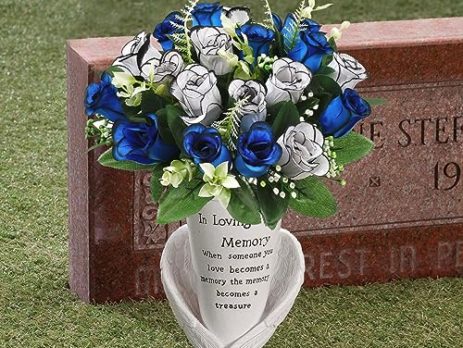
Graveside Flowers
Graveside Flowers: A Heartfelt Tribute That Lasts
Graveside flowers are one of the most timeless ways to honor someone who has passed. They do more than decorate a cemetery plot or memorial site. They express love, remembrance, and respect when words may feel too small. For many families in the United States, choosing the right flowers for a graveside visit is part of a tradition that brings comfort during anniversaries, holidays, and everyday moments of remembrance.
Whether you prefer fresh blooms, potted plants, or silk flowers for arrangements, the best tribute is one that reflects the person being remembered and fits the setting. In this guide, we’ll look at the meaning behind graveside flowers, the most common options, how to choose the right arrangement, and practical ways to create a memorial that feels personal and appropriate.
Why Graveside Flowers Matter
Flowers have been used in mourning and memorial traditions for centuries. They symbolize the beauty of life, the fragility of time, and the hope that memory can continue even after loss. At a gravesite, flowers can soften the space and give family members a quiet, visible way to show they still care.
For many people, placing flowers is also a ritual. It may happen on birthdays, anniversaries, Memorial Day, Mother’s Day, Father’s Day, or during regular visits to a cemetery. That act of care can be deeply grounding, especially when grief feels ongoing rather than neatly resolved.
Graveside flowers are not only about appearance. They are a gesture of presence, a way of saying, “You are still remembered.”
Common Types of Graveside Flowers and Memorial Arrangements
There is no single correct choice for a gravesite tribute. The best option depends on the season, cemetery rules, weather, and how often the site can be maintained.
Fresh Flowers
Fresh flowers are a traditional choice and offer natural fragrance and beauty. Roses, lilies, carnations, chrysanthemums, and carnations are often used in memorial settings because they carry symbolic meaning and are widely available in the U.S.
Fresh arrangements work well for a short-term tribute, especially during services or special visits. The tradeoff is longevity. In hot weather, direct sun, wind, and dry conditions can shorten their life quickly.
Silk Flowers
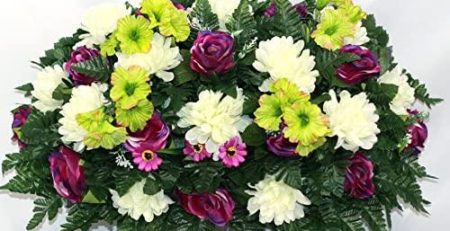
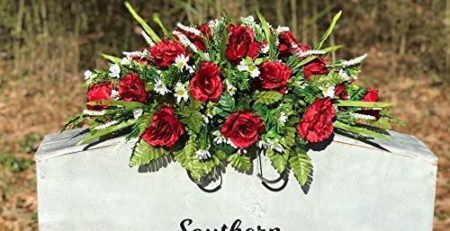
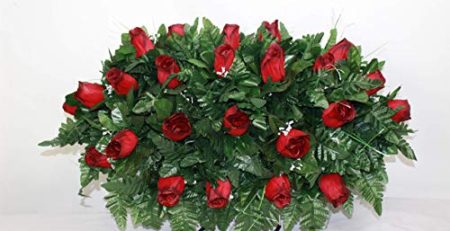
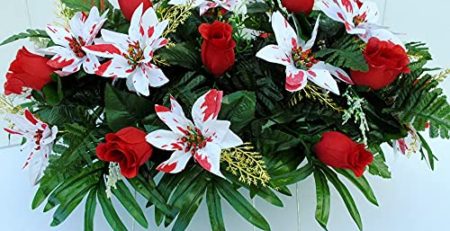
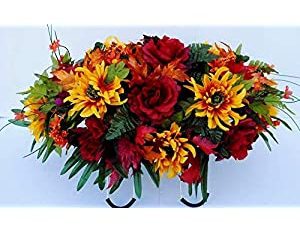
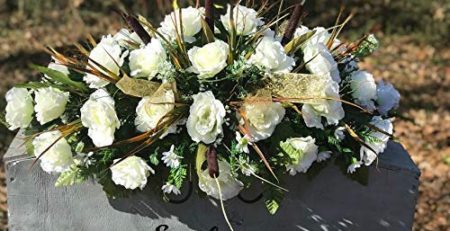
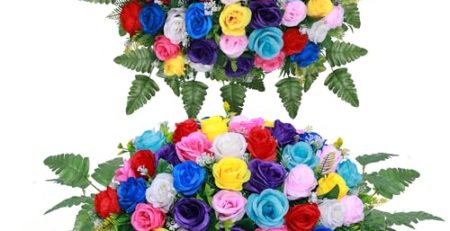
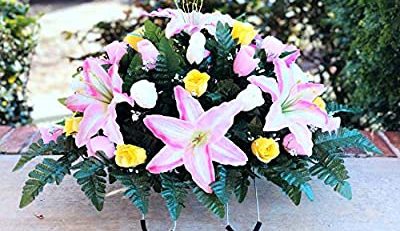
Silk flowers are a practical alternative for people who want a longer-lasting graveside display. Despite the name, many modern silk flowers are made from polyester or other synthetic materials rather than actual silk. The term is commonly used to describe realistic faux flowers used in home décor and memorial arrangements.
High-quality silk flowers can be a good choice for outdoor memorials when you want a consistent look without frequent replacement. They are especially helpful for families who live far from the cemetery or visit only a few times a year.
Potted Plants
Potted plants can feel especially meaningful because they are living tributes. Succulents, small peace lilies, and hardy seasonal plants may be used when cemetery rules allow. They can bring a sense of ongoing care and growth to the memorial space.
That said, potted plants require more maintenance than faux arrangements and may not survive extreme heat, frost, or long stretches without watering.
Mixed Memorial Displays
Some families combine fresh flowers with silk greenery or potted plants for a balanced tribute. For example, a cemetery vase may hold a seasonal silk arrangement while a small potted succulent sits nearby during warmer months. This approach can be especially useful when you want beauty and durability together.
How to Choose the Right Graveside Flowers
The best graveside flowers are the ones that make sense for your family, the cemetery, and the local climate. A thoughtful choice often comes down to a few practical considerations.
1. Check Cemetery Rules First
Many cemeteries have specific guidelines about what can be placed at a grave. Some limit the size of arrangements, require vase inserts, or remove decorations during certain seasons. Others restrict glass containers, stakes, or items that could become hazardous in wind or lawn maintenance.
Before buying anything, contact the cemetery office or check the posted rules. This helps avoid disappointment and ensures your tribute stays in place.
2. Consider Weather Exposure
Outdoor memorials face sun, rain, snow, and wind. In many parts of the U.S., summer heat can dry out fresh flowers quickly, while winter weather can damage delicate materials. If the gravesite is in a sunny, exposed location, silk flowers for outdoor use or hardy potted plants may hold up better than cut flowers.
If the memorial is in a shaded area, fresh flowers may last longer, but they will still need monitoring. Think about the cemetery’s environment the same way you would think about patio décor: direct sun and weather matter.
3. Match the Tribute to the Person
Personal meaning often matters more than tradition. Choose colors, flowers, or greenery that reflect the loved one’s personality, favorite season, or interests. A person who loved gardening might be honored with bright seasonal blooms. Someone who preferred simplicity might be remembered with white lilies or green foliage.
4. Think About Longevity
If you visit the grave often, fresh arrangements may be a beautiful choice. If you can only visit occasionally, silk flowers or other durable memorial pieces may be more practical. The right answer often depends on how much upkeep you want to commit to.
What Makes Silk Flowers Look Realistic?
When people talk about silk flowers that look real, they usually mean faux flowers with careful detail, natural-looking color variation, and realistic shapes. High-quality artificial flowers often have more convincing petals, stems, and leaf textures than low-cost versions.
Here are a few details that tend to make a difference:
- Natural color gradients: Real blooms are rarely one flat color.
- Matte or soft finishes: Overly shiny petals can look less natural.
- Well-shaped stems and leaves: A believable silhouette matters.
- Appropriate scale: Flowers that are too large or too small can feel artificial quickly.
If you are using silk flowers for arrangements at a gravesite, realism can be especially important because the tribute is often seen up close by family and friends.
Step-by-Step: How to Arrange Graveside Flowers
Creating a graveside arrangement does not have to be complicated. A simple, thoughtful display often works best.
Step 1: Choose a secure container
Use a cemetery-approved vase, cone holder, or weighted container if required. If the area is windy, choose something stable enough to stay put. Avoid fragile containers that could break during mowing or maintenance.
Step 2: Select your flowers and greenery
Pick a focal flower, such as roses or lilies, and pair it with greenery or filler stems. For a softer look, use fewer colors. For a brighter seasonal tribute, choose two or three complementary shades.
Step 3: Trim stems to the right height
Cut or bend stems so the arrangement fits the container and does not overwhelm the gravesite. Memorial arrangements generally look best when they are neat and balanced rather than oversized.
Step 4: Create a focal point
Place the main flowers in the center or slightly off-center. Build around them with smaller blooms and greenery. This creates depth and keeps the arrangement from looking flat.
Step 5: Check the arrangement from different angles
Graveside flowers are often viewed from above and from the side. Turn the arrangement as you work to make sure it looks balanced in all directions.
Step 6: Secure everything for outdoor conditions
Use floral foam, wire, or a weighted holder if appropriate and cemetery-approved. Outdoor arrangements can shift in wind, so stability matters.
Ideas for Personalizing a Memorial Tribute
A meaningful graveside tribute often includes a detail that feels unique to the person being honored. Small personal touches can make the arrangement feel more heartfelt without making it overly complicated.
- Favorite colors: Use a palette that reminds you of the loved one.
- Seasonal flowers: Sunflowers in summer or poinsettias in winter can reflect the time of year.
- Symbolic blooms: White lilies for peace, roses for love, or carnations for remembrance.
- Simple keepsakes: If allowed, pair flowers with a small memorial stone or engraved marker.
- Consistent annual design: Repeating the same style each year can become a meaningful family tradition.
Some families like to bring the same flower color to every visit. Others choose a new arrangement each time, especially for birthdays or holidays. There is no wrong approach as long as it feels respectful and appropriate for the space.
How to Care for Faux Memorial Flowers
Silk flowers and other artificial plants need less maintenance than fresh flowers, but they still benefit from occasional care. Dust, pollen, and weather can dull their appearance over time.
Cleaning steps
- Remove the arrangement from the gravesite if possible.
- Shake off loose debris gently.
- Wipe stems and leaves with a soft, dry cloth.
- For stubborn dust, use a slightly damp cloth on non-delicate areas.
- Let the flowers dry fully before returning them outdoors.
If the arrangement has been exposed to heavy pollen or road dust, a gentle rinse may help, but always check the material first. Avoid harsh chemicals that can fade color or weaken stems.
Safety and Practical Tips for Cemetery Memorials
Graveside decorations should be beautiful, but they also need to be safe and manageable for cemetery staff and other visitors.
- Avoid open flames near faux greenery: Keep candles, lanterns, and artificial flowers separated unless the cemetery explicitly allows them and they are used safely.
- Skip loose items in high wind: Lightweight decorations can blow away and become litter or hazards.
- Watch for sun exposure: Direct sun can fade some faux materials over time.
- Use break-resistant containers: Glass can be dangerous in outdoor memorial spaces.
- Follow seasonal rules: Some cemeteries remove decorations during mowing or winter maintenance.
For families in hotter states like Arizona, Texas, or Florida, outdoor exposure is a major factor. A tribute that looks beautiful at first may need more durable materials if it is going to sit in strong sunlight for weeks at a time.
How to Decide Between Fresh Flowers and Silk Flowers
Both fresh flowers and silk flowers can be meaningful. The right choice depends on how the tribute will be used.
- Choose fresh flowers if you want fragrance, natural texture, and a short-term display for a service or special visit.
- Choose silk flowers if you want a longer-lasting arrangement with less upkeep.
- Choose potted plants if the cemetery allows them and you want a living memorial.
Many families use a combination over time. Fresh flowers may be placed on the anniversary of a passing, while silk flowers remain at the gravesite during the rest of the season. That mix can be both practical and personal.
Real-World Memorial Scenarios
Here are a few common situations that show how different choices can work:
A family living out of state: They visit a cemetery only a few times a year, so they choose silk flowers for arrangements that hold up between visits.
A grave in direct sun: Fresh flowers wilt quickly, so the family uses realistic faux flowers and a stable vase approved by the cemetery.
A holiday memorial: On Memorial Day, relatives bring fresh red, white, and blue flowers, then replace them later with a longer-lasting artificial arrangement.
A small suburban cemetery plot: Because maintenance crews mow frequently, the family uses a low-profile display that stays within cemetery limits.
Frequently Asked Questions
Q: Can silk flowers be used outdoors?
A: Yes, many silk flowers are used outdoors, including at gravesites and on porches or patios. They can handle outdoor conditions better than fresh flowers, but sun, wind, and rain may still cause fading or wear over time.
Q: Do artificial plants fade in sunlight?
A: Yes, many artificial plants and faux flowers can fade when exposed to direct sunlight for long periods. UV-resistant products are designed to slow that process, but they are not completely immune to weathering.
Q: How do you clean silk flowers?
A: Dust them gently with a soft cloth or feather duster, or wipe them carefully with a slightly damp cloth if needed. Always let them dry fully before placing them back outdoors.
Q: Are silk flowers safe near candles?
A: Not always. Faux flowers and greenery can be flammable, so keep them away from open flames unless the setup is specifically allowed and safely separated. When in doubt, choose battery-powered lights instead of candles.
Q: How long do high-quality faux flowers last?
A: Their lifespan depends on material quality and exposure to sun, moisture, and wind. Indoors they may last for years, while outdoors they often need replacement sooner because of weather.
Q: What makes silk flowers look realistic?
A: Realistic faux flowers usually have natural color variation, believable petal shapes, and stems that do not look overly shiny or stiff. Good scale and balanced arrangement also help them appear more lifelike.
Q: Can you mix real and artificial flowers in one arrangement?
A: Yes, many people combine fresh flowers with silk greenery or artificial accents. This can give the arrangement a more natural look while extending its overall lifespan.
Q: Are UV-resistant faux plants worth it?
A: They can be worth it if the arrangement will sit in strong sun, such as on a gravesite, patio, or front porch. UV-resistant materials may help reduce fading and make the tribute look presentable for longer.
Conclusion
Graveside flowers are a simple but powerful way to honor someone’s memory. Whether you choose fresh blooms, potted plants, or silk flowers for arrangements, the most important part is the care and thought behind the tribute. With a little planning for cemetery rules, weather exposure, and personal meaning, you can create a memorial that feels respectful, lasting, and deeply human.