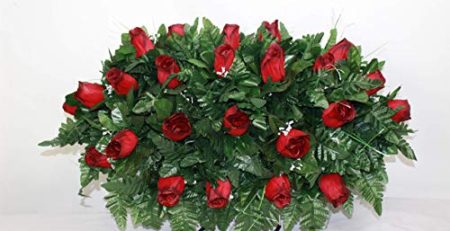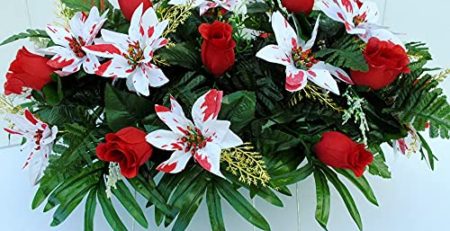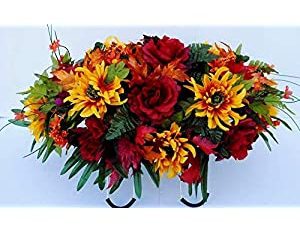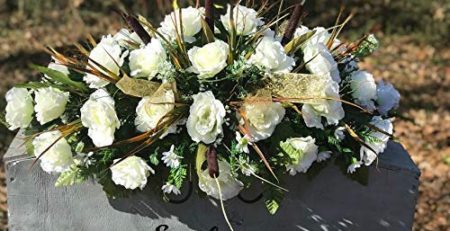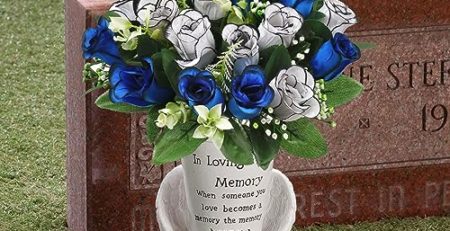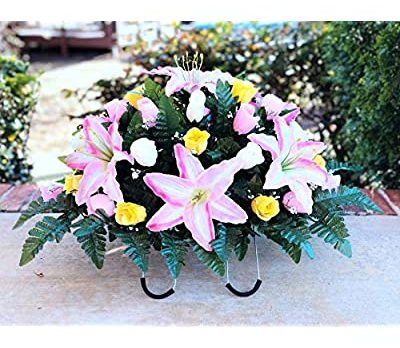
Tombstone Flowers
Tombstone Flowers: Why Artificial Flowers on Graves Still Mean So Much
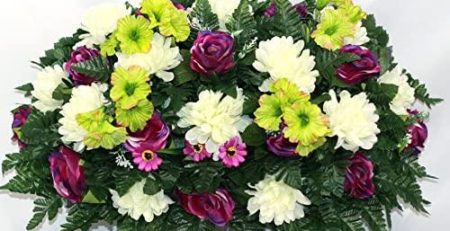
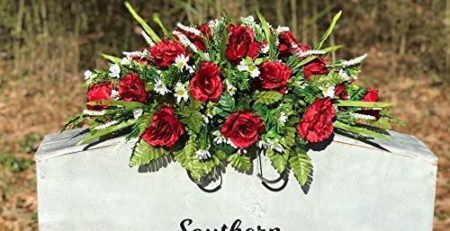
Artificial tombstone flowers are easy to overlook until you really notice them. In a cemetery, they can look bright, tidy, and strangely hopeful against stone, grass, and weathered markers. They do not wilt the way fresh flowers do. They fade slowly, sit quietly through the seasons, and often become part of the landscape of remembrance.
That is part of what makes them powerful. Tombstone flowers are not just decoration. For many families, they are a practical way to leave a visible sign of care when regular visits are difficult, weather is unpredictable, or fresh arrangements would not last. They can feel tender, stubborn, comforting, and a little eerie all at once.
If you have ever wondered why people place artificial flowers on graves, how to choose them, or how to keep them looking respectful and neat, this guide covers the basics in a simple, practical way.
Why People Choose Artificial Flowers for Graves
There is no single reason people use fake flowers at a gravesite. Often, it comes down to a mix of memory, convenience, and durability.
- They last longer than fresh flowers. This matters in heat, wind, rain, and direct sun.
- They can be easier to maintain. Families who live far away may not be able to replace fresh arrangements often.
- They show ongoing care. A bouquet placed once can remain for weeks or months, depending on the weather and cemetery rules.
- They offer consistency. Some people want the grave to look cared for even when life gets busy.
For many families, this is less about “fake” versus “real” and more about what fits the reality of grief. A headstone in a hot, dry cemetery in Arizona will not treat fresh roses the same way a shaded gravesite in the Midwest might. Artificial flowers can be a practical choice in both places.
What Makes a Good Tombstone Flower Arrangement
Not all artificial flowers work well for gravesites. The best choices are usually the ones that hold up visually and physically without becoming messy or disrespectful-looking after a few weeks.
Look for sturdy construction
Graveside flowers should have stems that can be secured in the ground or in a grave vase. Light, flimsy stems may flop over in wind. A stable arrangement tends to look more intentional and less likely to blow away.
Choose colors with care
Bright flowers can be beautiful, especially when a family wants something cheerful or highly visible. More muted shades can blend in better with stone, grass, and mature landscaping. Either choice can be appropriate; it depends on the person being remembered and the feel of the cemetery.
Consider sun exposure
Direct sunlight can fade many artificial flowers over time. If the gravesite is unshaded, look for flowers that are made to withstand outdoor exposure when possible. Even then, expect some fading eventually. That is normal and does not mean the flowers are poor quality.
Match the cemetery’s rules
Many cemeteries have guidelines about flower types, vase use, seasonal decorations, and item removal. Some only allow arrangements during certain times of year. Before placing anything, check the cemetery’s rules so the tribute stays in place and is not removed by grounds staff.
Silk Flowers and the Look of Realism
When people talk about silk flowers, they usually mean artificial flowers made from synthetic materials that resemble real blooms. The phrase is used broadly in home décor, even when the material is not actual silk.
High-quality versions often look more believable because they have:
- Natural-looking petal shapes
- Layered color variation
- Matte or soft-finish leaves instead of overly shiny plastic
- Stems that can be bent and shaped
- Proportions that resemble real stems and blossoms
Low-cost flowers often look obvious right away because of bright plastic sheen, stiff leaves, or overly uniform petals. That does not make them wrong for every situation, but if the goal is a calm, respectful graveside tribute, realism usually matters.
For many people, the point is not to fool anyone. It is to create a lasting gesture that feels sincere.
How Artificial Flowers Change the Feel of a Cemetery
Cemeteries are often quiet, reflective spaces. Artificial flowers add color in a way that can feel both personal and symbolic. A row of faded pink roses or sun-bleached carnations can tell a story even when no one is there to explain it.
There is also something deeply human about the contrast. Fresh flowers remind us that life is short. Artificial flowers remind us that remembrance can continue after the bloom has passed. In that way, they do not compete with fresh flowers. They express a different kind of care.
Graveside flowers are not just about appearance. They are often a way of saying, “You are still remembered,” even when memory must be maintained from a distance.
How to Arrange Silk Flowers for a Tombstone
If you are placing silk flowers at a gravesite, a little planning helps them look neat and stay secure. Here is a simple step-by-step approach.
1. Check the location
Look at the grave from a few angles. Note whether it gets full sun, partial shade, or strong wind. Also check whether there is a vase holder, a flower saddle, or open ground available for placement.
2. Choose the right size
Small headstones usually look better with modest arrangements. Larger monuments can handle fuller bouquets. An arrangement that is too big can block the name or overwhelm the stone.
3. Trim or bend the stems
Use wire cutters if needed, or gently bend flexible stems to fit the vase or holder. The goal is to keep the blooms upright and balanced, not cramped or splayed out.
4. Secure the arrangement
If using a grave vase, make sure the stems sit firmly inside. For flower saddles or anchored bases, arrange the flowers so they do not tip in wind. If the cemetery permits, some families use weighted bases or floral foam designed for outdoor use.
5. Fluff and shape the blooms
Once placed, gently adjust petals and leaves so the bouquet looks full from the front. Step back and view it from a distance. Graveside arrangements usually look best when they are simple and balanced.
Cleaning and Maintaining Faux Flowers
Artificial flowers do not need watering, but they do need occasional cleaning. Dust, pollen, rain spots, and debris can make them look older than they are.
Basic cleaning steps
- Remove the flowers from the grave or vase if possible.
- Shake off loose dirt and leaves.
- Wipe petals and leaves gently with a dry or slightly damp soft cloth.
- If needed, use mild soap and water on tougher buildup, then let them air-dry fully.
- Re-shape the stems and petals before replacing them.
Be careful with delicate finishes and glued embellishments. Harsh scrubbing can damage the look of the flowers. If the arrangement is very old, faded, or brittle, it may be better to replace it than to try to restore it.
Safety and Respect Tips for Graveside Décor
Artificial flowers are generally easy to use, but a few practical safety notes matter.
- Avoid open flames near faux greenery. Most artificial flowers and greenery are not flame-resistant unless specifically labeled.
- Watch for wind. Loose arrangements can become litter or damage nearby plots.
- Follow cemetery regulations. Some locations remove items that are left too long or placed outside approved areas.
- Keep pathways clear. A neat arrangement is less likely to be tripped over or disturbed.
It is also wise to think about nearby real plants, especially if the site has grass, mulch, or seasonal flowers. A tasteful graveside display should complement the setting rather than compete with it.
How to Choose Colors and Styles That Feel Appropriate
The right flower choice often depends on the person being remembered. There is no universal rule, but a few approaches are common:
- Roses for love, devotion, or long-standing family remembrance
- Lilies for a quiet, traditional look
- Sunflowers for warmth and brightness
- Carnations for durability and classic cemetery use
- Mixed bouquets for a more personal, informal tribute
Some families prefer soft white, red, or pastel shades. Others choose vivid colors because they feel alive, hopeful, or easier to spot from a distance. In outdoor spaces, bold colors can fade more quickly, but they can still be meaningful while they last.
What Happens When Artificial Flowers Fade
Over time, sunlight can bleach petals, plastic can become brittle, and stems can bend or crack. That fading does not erase the meaning of the flowers, but it does signal that it may be time to replace them.
Many people treat this as part of the rhythm of graveside care. Fresh flowers fade fast. Silk flowers fade slowly. Either way, tending a gravesite is often a repeated act, not a one-time event.
If the arrangement is no longer neat or secure, consider replacing it rather than trying to stretch its life too long. A clean, simple bouquet usually looks more respectful than one that is heavily worn.
Can You Mix Real and Artificial Flowers?
Yes, and many people do. A mixed arrangement can offer the beauty of fresh flowers with the durability of faux blooms. For example, a family might place real flowers for a memorial service, then switch to artificial flowers afterward so the grave continues to look cared for.
This approach can work especially well in warm climates or during busy seasons when regular visits are hard to manage. It also lets you keep the look fresh without needing constant replacement.
When Artificial Flowers Feel Most Meaningful
Artificial flowers can feel especially meaningful in a few common situations:
- When family members live far away
- When a gravesite is hard to visit regularly
- When weather makes fresh flowers impractical
- When the family wants a long-lasting sign of care
- When a loved one preferred a specific color or flower that is hard to find year-round
At their best, tombstone flowers are a quiet promise. They do not need to be perfect to matter. They simply need to be placed with intention.
Frequently Asked Questions
Q: Can silk flowers be used outdoors on a grave?
A: Yes, many people use silk flowers outdoors at gravesites. However, sun, wind, rain, and temperature changes can cause fading and wear over time. Check cemetery rules and choose sturdy arrangements for the best results.
Q: Do artificial flowers fade in sunlight?
A: Yes, prolonged sun exposure can fade many artificial flowers. The rate of fading depends on materials, color, and how much direct sunlight the site gets. Even durable arrangements usually need replacement eventually.
Q: How do you clean silk flowers for a tombstone?
A: Remove loose dirt, then wipe the petals and leaves with a soft cloth. For stubborn buildup, use mild soap and water, then let the flowers air-dry completely. Handle delicate pieces gently to avoid damage.
Q: Are silk flowers safe near candles or memorial lights?
A: They should be kept away from open flames unless the product is specifically flame-resistant. Artificial flowers and greenery can catch fire or melt if placed too close to candles, lanterns, or flame-based memorial items.
Q: How long do high-quality faux flowers last outside?
A: There is no fixed timeline because weather, sunlight, and placement all matter. High-quality faux flowers generally hold up better than inexpensive ones, but even good arrangements will eventually fade, crack, or get damaged outdoors.
Q: What makes silk flowers look realistic?
A: Realistic silk flowers usually have natural petal shapes, subtle color variation, and less shiny materials. Flexible stems and well-made leaves also help them look more like real blooms. The overall scale and arrangement matter too.
Q: Can you mix real and artificial flowers in one graveside arrangement?
A: Yes, mixing fresh and faux flowers is common. This can create a fuller look and extend the life of the display. It is a practical option when you want beauty now and durability later.
Q: Are UV-resistant faux flowers worth it?
A: They can be a good choice for gravesites that receive strong sun. UV-resistant materials are designed to slow fading, though they still may not last forever. They are often worth considering if you want a longer-lasting outdoor display.
Artificial tombstone flowers are not about pretending loss away. They are about making room for remembrance in a way that lasts. When chosen and placed with care, silk flowers can offer a quiet, steady kind of comfort that fits both grief and love.