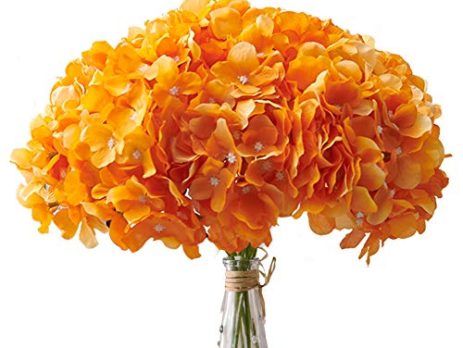
Artificial Orange Flowers
Artificial Orange Flowers for a Wedding That Feels Warm, Bold, and Memorable
Artificial orange flowers can bring instant energy to a wedding bouquet, centerpiece, or ceremony arrangement. They offer the rich, glowing look of autumn without the worry of wilting petals, fragile stems, or timing blooms around a busy wedding schedule. For couples who want a bouquet that feels vibrant, personal, and easy to keep after the big day, orange faux flowers are a practical and beautiful choice.
When people think of orange flowers, they often picture fall weddings first. That makes sense, but the color is more versatile than many expect. Burnt orange can feel romantic and earthy, bright orange can feel lively and modern, and softer peach-orange tones can feel elegant and delicate. Used well, artificial flowers in orange shades can work for rustic barns, outdoor garden ceremonies, modern venues, and classic ballroom settings alike.
In a wedding bouquet, color does more than look pretty. It helps set the mood, ties into the season, and connects the bride’s look to the overall event design. If you want a bouquet that stands out in photos and feels intentional from every angle, orange artificial flowers deserve a closer look.
Why Orange Flowers Work So Well in Wedding Design
Orange sits in that sweet spot between warm and bold. It naturally feels inviting, which is one reason it works so well for weddings in the United States, especially for outdoor ceremonies, barn venues, vineyards, and fall receptions. It pairs well with deep reds, mustard yellow, burgundy, cream, ivory, sage, gold, and even black.
That flexibility makes orange a smart choice whether you want a seasonal bouquet or a look that leans more timeless. A bouquet with orange artificial flowers can read as cozy and romantic in October, but it can also feel fresh and cheerful in spring or summer when paired with lighter tones and softer textures.
Artificial flowers also solve one of the biggest wedding-day problems: consistency. Fresh blooms can vary in color, open at different rates, and react to heat, wind, or time. Faux flowers stay the same from the rehearsal dinner to the final dance.
The emotional effect of orange in bouquets
Orange is often associated with warmth, optimism, energy, and creativity. In floral design, that makes it a great choice for couples who want their wedding to feel joyful and a little unexpected. A bouquet dominated by orange can become a signature detail, especially in photos against a white dress, neutral suit, or green outdoor backdrop.
A well-designed bouquet does not have to be loud to be memorable. Orange blooms can be the detail that makes the whole wedding palette feel complete.
Popular Flower Styles for an Orange Bouquet Look
Not every bouquet has to use the same flower type to capture the orange theme. Different blooms create different moods, and that is part of what makes artificial flowers so useful. You can mix textures and shapes to create a bouquet that feels fuller and more custom.
Roses
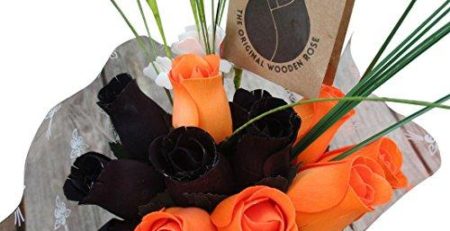
Roses are a classic wedding flower for a reason. They bring softness, romance, and a traditional look that works in almost any arrangement. Orange roses, whether used alone or mixed with cream and blush tones, can make a bouquet feel warm without looking too sharp or dramatic.
Dahlias
Dahlias add fullness and visual interest. Their layered petals create dimension, which helps a bouquet look rich and textured. In burnt orange shades, dahlias are especially strong for fall weddings and rustic settings.
Calla lilies
Calla lilies offer a smoother, more modern silhouette. They work well in contemporary bouquets or minimalist arrangements where you want the color to stand out but the shape to stay sleek and refined.
Ranunculus
Ranunculus are known for their soft, layered petals. They are a strong choice if you want an orange bouquet that feels elegant and a little whimsical. Their smaller blooms can also balance out larger flowers like dahlias or roses.
Seasonal accents
Orange flowers often look even better when paired with greenery and natural-textured accents. Think eucalyptus, dusty miller, wheat stems, berries, or faux leaves in earthy greens and bronzes. These additions help the bouquet look balanced rather than overly monochrome.
How to Choose the Right Shade of Orange
Orange is not one-size-fits-all. The shade you choose should match the wedding season, venue, and overall style. A vivid orange bouquet may feel playful and bright, while a muted burnt orange palette can feel elegant and grounded.
Burnt orange
Burnt orange is a favorite for fall weddings because it blends beautifully with rustic décor, wood tones, and seasonal foliage. It also works well for couples who want color without going too bright.
Terracotta and rust
These shades have a more earthy, modern feel. They are especially nice in boho, desert-inspired, or Mediterranean-style weddings. They also look attractive against neutral bridesmaid dresses and textured linens.
Peach-orange
If you want something softer, peach-orange can feel romantic and airy. It pairs nicely with blush, ivory, pale green, and gold for spring and summer weddings.
Bright orange
Bright orange creates high energy and strong contrast. It can work beautifully in modern or cheerful wedding designs, especially when balanced with white, cream, or dark green accents.
How to Build a Beautiful Artificial Orange Wedding Bouquet
One of the biggest advantages of artificial flowers is control. You can shape the bouquet exactly the way you want, and you are not at the mercy of how fresh flowers happen to open that day. If you want to build your own bouquet or help a florist-style arrangement come together more smoothly, a simple plan goes a long way.
Step-by-step bouquet assembly
- Choose your focal flowers. Start with your largest blooms, such as roses or dahlias, to anchor the bouquet.
- Add secondary flowers. Use smaller blooms like ranunculus or spray roses to fill in gaps and soften the shape.
- Include greenery. Add eucalyptus, olive-style leaves, or other faux greenery to frame the bouquet and create contrast.
- Balance the color. Mix warm orange with a few supporting tones such as cream, burgundy, blush, or gold so the bouquet feels layered.
- Test the shape. Hold the bouquet at arm’s length and check whether it feels even from the front and sides.
- Secure the stems. Once the design feels right, wrap the stems tightly with floral tape or ribbon, depending on the look you want.
What makes a bouquet look realistic
High-quality artificial flowers often look more convincing because of subtle details, not just color. Realistic faux flowers usually have varied petal tones, natural-looking leaf shapes, flexible stems, and finishes that avoid too much shine. A bouquet also looks more authentic when the flowers are arranged at different heights and not packed too symmetrically.
Mixing textures matters too. A combination of rose petals, fuller dahlias, and airy greenery is more realistic than using only one flower shape across the entire bouquet.
How to Style Orange Artificial Flowers for Different Wedding Themes
Orange flowers are easy to adapt because they can be rustic, elegant, bohemian, or modern depending on what they are paired with. That versatility makes them useful not only for bouquets, but also for centerpieces, aisle décor, and reception arrangements.
Rustic wedding style
For a rustic look, pair burnt orange flowers with wood, burlap, twine, kraft paper, and greenery that feels a little wild. This style works well in barn venues and outdoor settings where the design can feel natural rather than polished.
Modern wedding style
For a modern event, keep the bouquet shape clean and use stronger contrast. Orange flowers with white blooms, black ribbon, gold accents, or minimal greenery can feel fresh and sophisticated. Sleek containers or simple ceremony décor help the bouquet stay the visual focus.
Bohemian wedding style
Boho weddings often benefit from layered textures and less structured arrangements. Orange flowers can be paired with pampas grass, feathery stems, dried-look accents, and wildflower shapes to create a loose, free-spirited bouquet.
Classic romantic style
If you want a more traditional feel, pair orange roses or ranunculus with cream, blush, and soft greenery. This softens the orange and gives the arrangement a timeless look that still feels special.
Using Artificial Orange Flowers Beyond the Bouquet
One advantage of artificial flowers is that they can be used throughout the wedding, not just in the bridal bouquet. Repeating the same color story in several places helps the event feel cohesive and thoughtful.
Ideas for ceremony and reception décor
- Bridesmaids’ bouquets: Smaller versions of the bridal bouquet can create a coordinated wedding party look.
- Centerpieces: Orange flowers in low arrangements or mixed with candles can brighten tables without overwhelming them.
- Aisle markers: Tying orange blooms to chairs or pews can help carry the color from the ceremony to the reception.
- Welcome tables: A simple vase arrangement with orange faux flowers can make a warm first impression.
- Photo backdrop accents: Faux florals can be used in arches or signage displays where you want color and texture.
For couples planning outdoor celebrations, artificial flowers can be especially practical. They do not require water, and they are not affected by a hot patio, dry wind, or a long afternoon setup. That said, direct sun can still fade some materials over time, so it is best to store them out of sunlight before the event and check whether a product is described as UV-resistant if it will be used outside long term.
Care Tips for Silk Flowers and Faux Greenery
Artificial flowers are low-maintenance, but they are not maintenance-free. A little care helps them stay attractive for the wedding day and beyond.
How to clean them
- Dust gently. Use a soft microfiber cloth or a clean makeup brush for delicate petals.
- Use compressed air carefully. This can help remove dust from detailed petals and greenery, but keep the nozzle at a safe distance.
- Spot clean if needed. If the flowers collect dirt during transport, wipe them lightly with a barely damp cloth and let them dry fully.
- Store properly. Keep arrangements in a box or bin where petals will not be crushed.
What to avoid
Avoid harsh cleaners, excessive moisture, and strong heat. Keep faux flowers away from open flames, candles, fire pits, and hot light fixtures. Even if a material is decorative and durable, it is still not a substitute for fire-safe spacing. This is especially important at reception tables, backyard weddings, and indoor venues with candles.
Why Couples Choose Artificial Flowers for Weddings
Many people choose artificial flowers because they offer reliability. Fresh flowers are beautiful, but they can be affected by weather, timing, travel, and availability. Faux flowers remove much of that uncertainty.
They can also be a helpful option for couples who want to keep their bouquet as a memento. Unlike fresh flowers, artificial arrangements can be saved, stored, and displayed after the wedding. Some couples reuse ceremony flowers at the reception, then take them home for their first apartment, house, or seasonal décor.
Shipping can matter too. If you are ordering flowers online for a destination wedding, shipping the wrong day can create stress. Artificial flowers are easier to plan around because they are less time-sensitive than fresh blooms. That gives you more flexibility if you are managing venue setup, drywall-safe décor hooks indoors, or coordinating deliveries to a hotel, home, or bridal suite.
Mixing Real and Artificial Flowers in One Arrangement
Yes, you can combine real and artificial flowers in a single design. This can be a smart way to save money or create a fuller look without relying entirely on fresh blooms. The key is to match color, scale, and texture so the arrangement feels intentional.
For example, you might use real greenery and artificial orange focal flowers in a bouquet. Or you may use fresh flowers for personal flowers and faux arrangements for ceremony décor. That approach works especially well when some parts of the wedding need to be set up early and stay looking good through the event.
Choosing Artificial Orange Flowers That Suit Your Space
Although this article focuses on weddings, many of the same styling principles apply at home. A bouquet or arrangement can be repurposed later in a living room, dining room, entryway, or guest bedroom. On a mantel, console table, or dining table, orange artificial flowers can bring warmth into a neutral home without requiring daily care.
If you plan to use them indoors after the wedding, consider the light in the room. A bright orange arrangement can be striking in a space with white walls and lots of daylight, while burnt orange may feel cozier in a room with darker furniture or wood tones. For patios, sun exposure matters more, so look for arrangements designed to hold up better outdoors if they will stay outside for long periods.
Frequently Asked Questions
Q: Can artificial orange flowers be used for outdoor weddings?
A: Yes, they can be used outdoors for weddings, especially for short-term events. If they will be in direct sun for long periods, choose materials that are more likely to resist fading and keep them shaded when possible.
Q: Do artificial flowers fade in sunlight?
A: Some can fade over time if exposed to strong direct sunlight. This is especially true for non-UV-resistant materials, so it helps to store them out of the sun before the event and use shaded placement outdoors when possible.
Q: How do you clean silk flowers before a wedding?
A: Dust them gently with a soft cloth or brush, and spot clean with a barely damp cloth if needed. Let them dry completely before assembling the bouquet or placing them in décor.
Q: Are artificial flowers safe near candles?
A: They should be kept away from open flames and hot candles. Faux petals and leaves can be flammable, so it is safest to leave enough space between floral décor and any heat source.
Q: What makes artificial flowers look realistic?
A: Natural-looking color variation, detailed petal shapes, flexible stems, and balanced arrangements all help. Mixing different bloom sizes and adding greenery also makes the design feel more lifelike.
Q: Can I mix real flowers with artificial ones in my bouquet?
A: Yes, many couples do this successfully. Matching the color palette and keeping the textures similar helps the bouquet look cohesive rather than mismatched.
Q: How long do high-quality artificial flowers last?
A: With proper care and storage, they can last for years. Their lifespan depends on material quality, sunlight exposure, and how gently they are handled.
Q: Are orange artificial flowers only for fall weddings?
A: No, they can work in any season. Burnt orange is especially popular in fall, but peach-orange, terracotta, and brighter orange tones can work beautifully in spring and summer when paired with the right colors.
Conclusion
Artificial orange flowers offer a warm, flexible way to create a wedding bouquet that feels personal and memorable. Whether you want a bold burnt orange statement piece or a softer arrangement with elegant fall-inspired tones, faux flowers make it easier to control color, shape, and timing. With thoughtful styling, they can look beautiful on the wedding day and continue to bring joy long after it ends.