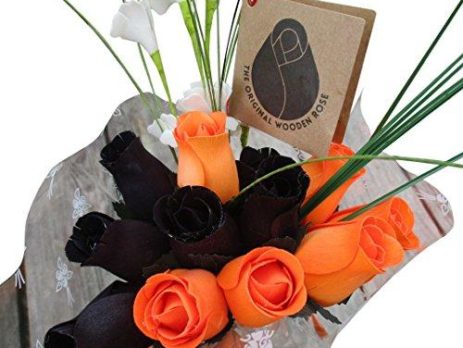
Best Faux Flowers
Best Faux Flowers: How to Choose Silk Blooms That Look Beautiful and Last
Faux flowers have come a long way. Today’s best silk flowers can add color, texture, and warmth to a room without the watering, wilting, or weekly replacements that fresh blooms require. For busy homes, offices, rentals, and event spaces, they offer a practical way to decorate with flowers year-round.
If you want faux florals that actually look good up close, the key is knowing what to look for. The difference between realistic silk flowers and the obviously fake kind often comes down to material quality, shape, color variation, and how they’re styled in the arrangement. This guide breaks down how to choose the best faux flowers for your space, how to care for them, and how to make them look more natural once they’re home.
Why People Choose Faux Flowers
There are plenty of good reasons faux flowers have become a staple in American home décor. They’re not just convenient; they can also solve a lot of decorating problems.
They’re low-maintenance
No watering, pruning, or sun exposure is needed. That makes faux blooms especially useful in places where live plants struggle, such as dark hallways, windowless offices, or rooms with inconsistent temperatures.
They’re long-lasting
High-quality silk flowers can keep their color and shape for years when cared for properly. That makes them a strong choice for long-term decorating, especially if you like changing vases, centerpieces, or seasonal displays.
They’re helpful for allergy-sensitive households
Since they don’t produce pollen, silk flowers can be a better option for people who love the look of flowers but want to avoid common allergy triggers.
They give you design flexibility
You can use peonies in winter, tulips in autumn, or orchids in a bathroom with no natural light. Faux florals also make it easier to keep a consistent color palette in a room.
What Makes the Best Faux Flowers Look Realistic
Not all artificial flowers are created equal. Some look flat and shiny from a few feet away, while others are detailed enough that guests may do a double take. If you’re shopping for silk flowers that look real, pay attention to these details.
Petal texture and color variation
Real flowers are rarely a single flat color. Look for petals with subtle shading, soft edges, and natural-looking variation. A rose that fades slightly from center to edge, or a peony with layered tones, often looks more convincing than one with a uniform color.
Stems that bend naturally
Flexible stems help flowers sit properly in a vase or arrangement. Stems that are too stiff can make an arrangement look awkward and unnaturally upright. The best faux flowers usually have enough structure to hold shape while still being easy to adjust.
Well-made leaves and centers
Leaves matter more than many people realize. Cheap faux flowers often have leaves that are too glossy or the wrong shape. Flower centers should also look detailed rather than stamped or blurry, especially on lilies, orchids, and hydrangeas.
Matte rather than plastic-looking finishes
A glossy shine is one of the biggest giveaways that flowers are fake. A more natural matte finish generally reads better in daylight and interior lighting.
Tip: If a flower looks good only from across the room but not from arm’s length, it may not be the best choice for a tabletop, entryway, or dining room centerpiece.
How to Choose the Best Faux Flowers for Your Space
The right faux flowers depend on where you’ll use them, how much natural light the room gets, and the mood you want to create. Here’s a simple way to narrow down your options.
Start with the setting
A formal dining room may call for roses, orchids, or peonies. A casual kitchen might look better with tulips, daisies, or hydrangeas. For a home office, a small, simple arrangement often works better than a large, dramatic one.
Match the scale to the space
Large arrangements can overwhelm a small console table, while tiny stems may disappear on a long mantel. Think about the size of the vase, the furniture around it, and the viewing distance.
Consider the color palette
Choose flower colors that complement the room rather than competing with it. Soft whites, blush tones, and greenery work well in neutral spaces. Brighter colors can energize a room, but they tend to look best when used with intention.
Think about lighting
Natural daylight can reveal details that artificial light hides. If the flowers will sit near a window or on a patio behind glass, focus on more realistic finishes and natural tones. In dimmer spaces, slightly richer colors can help the arrangement stand out.
Use the occasion as a guide
For everyday home décor, durable stems and a timeless look matter most. For weddings, parties, or seasonal events, you may want flowers that coordinate with a theme, table setting, or backdrop.
Popular Faux Flowers and Why They Work
Some flowers are especially popular in artificial form because their shapes translate well to silk or fabric materials.
- Roses: Classic, versatile, and easy to style in both traditional and modern settings.
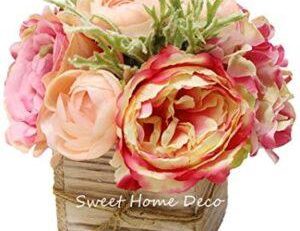
- Peonies: Soft, full, and romantic, with layered petals that can look very realistic when well made.
- Lilies: Elegant and striking, especially in tall arrangements or entryway displays.
- Orchids: Popular for clean, modern décor and bathrooms or dining spaces.
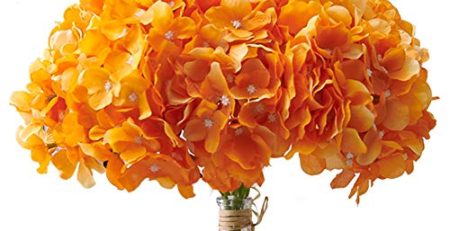
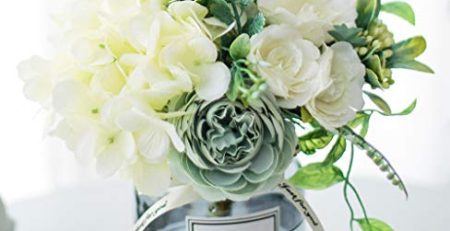
- Hydrangeas: Great for fuller arrangements because their clustered shape adds volume quickly.
- Tulips: Simple and fresh-looking, ideal for spring-inspired décor.
Each of these works best when the stems, leaves, and bloom shape are proportioned realistically. Even a beautiful flower can look artificial if the stem is too thick or the bloom is too perfectly symmetrical.
How to Arrange Silk Flowers So They Look Natural
Even the best faux flowers can look stiff if they’re placed in a vase without shaping. A few small adjustments can make a big difference.
Step 1: Choose the right container
Select a vase or container that fits the style of the room. Tall glass vases suit long stems, while ceramic or matte containers often look better with fuller arrangements. Make sure the opening is wide enough to hold the stems comfortably.
Step 2: Trim or bend the stems
If the stems are too long, trim them with wire cutters if appropriate for the stem material. If they’re flexible, bend them slightly so the flowers fan out naturally. Real flowers never stand in identical positions, so variety helps.
Step 3: Build the shape from the center outward
Place your tallest or fullest stems first, then add filler flowers and greenery around them. This creates depth and avoids a flat, bouquet-like look.
Step 4: Vary the height and direction
Not every bloom should sit at the same level. Let some flowers rise above others and angle a few outward to mimic the way fresh arrangements naturally open.
Step 5: Add greenery
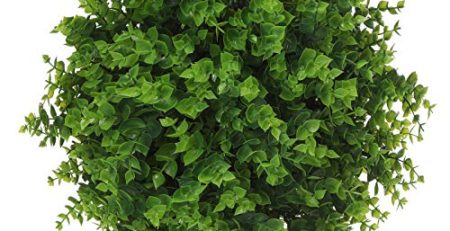
Leaves, branches, or simple faux foliage can make an arrangement look more complete. Greenery helps hide stem bases and creates a more organic silhouette.
Step 6: Step back and adjust
Look at the arrangement from across the room, not just up close. If it feels too symmetrical, too crowded, or too tall for the vase, make small changes until it feels balanced.
Where Faux Flowers Work Best in the Home
One reason people love artificial flowers is that they can go almost anywhere. Still, some spots are especially useful.
Entryways and foyers
A simple arrangement can make a strong first impression without needing sunlight or frequent care. This is a great place for a statement vase or seasonal color update.
Dining tables
Low arrangements work well for everyday use because they don’t block conversation. For larger gatherings, a fuller centerpiece can help define the table.
Bathrooms
Real flowers often wilt quickly in humid bathrooms, but faux blooms hold up well. Orchids, eucalyptus, or small mixed arrangements can freshen the space.
Bedrooms
Soft-colored flowers can create a calming feel on a dresser, nightstand, or window shelf. Keep the scale smaller so the room still feels restful.
Patios and covered outdoor areas
Some faux flowers can be used on covered patios or screened porches, but direct sun, heat, and moisture can shorten their life. If you’re decorating outdoors, look for products specifically designed for outdoor conditions or keep them in shaded, protected spots.
How to Clean Faux Flowers
Dust is the main issue with silk flowers. The good news is that basic cleaning is usually simple.
For routine dusting
Use a soft microfiber cloth, a feather duster, or a clean makeup brush for delicate petals. A hair dryer on the coolest, lowest setting can also help remove loose dust, but keep it at a safe distance.
For deeper cleaning
If the flowers need more than dusting, gently wipe the petals and leaves with a lightly damp cloth. For stubborn spots, use a small amount of mild soap and water, then dry carefully. Always test a small area first if you’re unsure how the material will react.
For stored arrangements
If you rotate decorations by season, store faux flowers in a cool, dry place away from direct sunlight and humidity. A sturdy box with tissue paper or bubble wrap can help protect petals from crushing.
Safety Tips for Using Faux Flowers and Artificial Plants
Faux greenery is convenient, but it still needs to be used responsibly.
- Keep them away from open flames: Silk flowers and artificial plants are not fireproof.
- Be cautious near candles, fireplaces, and stovetops: Heat can damage materials or create a fire hazard.
- Use sturdy containers: Lightweight arrangements can tip over, especially in homes with pets or children.
- Watch for sunlight exposure: Prolonged direct sun can fade colors over time.
If you’re styling a mantel, dining table, or event display, make sure the arrangement is positioned safely away from heat sources and won’t be brushed into flames or hot surfaces.
Buying Tips: What to Look for Before You Order
Whether you’re shopping online or in person, a few practical checks can help you avoid disappointment.
Read product descriptions carefully
Look for details about material type, stem flexibility, size, and whether the flowers are intended for indoor or outdoor use. Product photos can be helpful, but descriptions tell you more about what you’re actually getting.
Check measurements
Height matters a lot with faux flowers. A bouquet that looks full in a photo may be much smaller than expected. Compare the listed height to the vase or shelf where you plan to use it.
Review shipping expectations
Silk flowers can arrive bent, compressed, or slightly misshapen if packed tightly. That’s not always a defect. In many cases, stems and petals can be reshaped by hand after unpacking, but it helps to know what to expect before ordering.
Look for realistic proportions
Flowers that are too large, too shiny, or oddly uniform can look artificial even if the materials are decent. Proportion and shape matter as much as color.
Can You Mix Real and Faux Flowers?
Yes, and in many cases it’s a smart design choice. Mixing real and artificial flowers can add fullness to an arrangement while keeping costs and maintenance manageable. For example, you might use a few fresh stems in the front of a centerpiece and add silk flowers in the back, where they’re less noticeable.
The key is to match the colors and overall style so the arrangement feels intentional. This works especially well for events, entry tables, and seasonal décor.
Best Uses for Faux Flowers in Real Life
Here are a few simple examples of how people use silk flowers in everyday American homes:
- A renter adds a tall arrangement to a drywall shelf in the living room because the apartment gets very little natural light.
- A homeowner styles a covered patio with UV-resistant faux greenery to keep the space looking fresh through the summer.
- A busy parent places a low floral centerpiece on the dining table that stays pretty without weekly upkeep.
- An office uses realistic faux flowers in the reception area to create a welcoming look without ongoing maintenance.
In each case, the goal is the same: make the space feel finished and inviting without creating extra work.
Frequently Asked Questions
Q: What makes silk flowers look realistic?
A: Realistic silk flowers usually have natural color variation, soft matte finishes, detailed petals, and flexible stems. Leaf shape and flower center detail also make a big difference in how convincing they look.
Q: How do you clean silk flowers?
A: Dust them with a microfiber cloth, soft brush, or cool hair dryer setting. For deeper cleaning, gently wipe with a damp cloth and a little mild soap if needed, then let them dry fully.
Q: Can silk flowers be used outdoors?
A: Some can be used in covered or shaded outdoor areas, but direct sun, heat, and moisture can fade or damage them over time. If you need them outside, look for products specifically designed for outdoor use.
Q: Do artificial plants and flowers fade in sunlight?
A: Yes, prolonged direct sunlight can fade many faux flowers and artificial plants. Keeping them out of harsh sun or choosing UV-resistant options can help them last longer.
Q: Are silk flowers safe near candles?
A: They should be kept away from open flames, candles, fireplaces, and stovetops. Faux florals are not fireproof and can be a fire hazard if placed too close to heat.
Q: How long do high-quality faux flowers last?
A: With good care, high-quality faux flowers can last for years. Their lifespan depends on material quality, sun exposure, dust buildup, and how they’re stored when not in use.
Q: Can you mix real flowers with artificial flowers in one arrangement?
A: Yes, and it can be a practical way to create a fuller design. Try to match the colors and style so the arrangement looks cohesive rather than mismatched.
Q: Are UV-resistant faux plants worth it?
A: If the arrangement will be exposed to sunlight outdoors or near a bright window, UV-resistant options can be a worthwhile choice. They’re designed to hold up better against fading than standard faux greenery.
Conclusion
The best faux flowers combine realistic details, good proportions, and a style that fits your home. When you choose quality materials and take a little time to shape and style them, silk flowers can bring lasting beauty to almost any space. Whether you’re decorating a mantel, freshening a bathroom, or building a centerpiece for your next gathering, thoughtful faux florals can look polished and feel effortless.