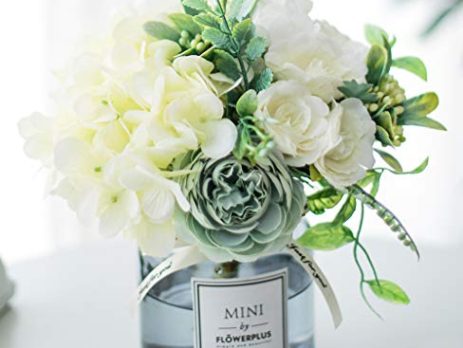
Artificial Flowers in Vase
Artificial Flowers in Vase: A Simple Way to Keep Your Home Looking Fresh
There is something genuinely comforting about artificial flowers in vase arrangements. They bring color, shape, and softness into a room without the pressure of watering, trimming, or replacing wilted stems every few days. For many people, that is the whole appeal: a pretty corner of the house that stays pretty.
If you have ever looked at a shelf, mantel, entry table, or living room corner and felt like it needed a little life, silk flowers can be an easy answer. A well-chosen vase with realistic faux flowers can soften a room, add warmth to a neutral space, and make your home feel more finished. The best part is that you can enjoy the look of fresh flowers without the upkeep.
Why Artificial Flowers in Vase Arrangements Work So Well
Fresh flowers are lovely, but they are temporary. Artificial flowers offer a different kind of beauty: consistency. They keep their shape, color, and style, which makes them especially useful for busy households, rental homes, office spaces, and rooms that do not get enough natural light for real plants.
They are also practical in homes where people want décor that lasts. If you have a dry interior, a dark hallway, a bookshelf corner, or a room that is hard to decorate because of limited sunlight, a vase arrangement can solve the problem quickly.
In American homes, this often means styling spaces like:
- Entry tables near drywall walls
- Living room shelves or mantels
- Kitchen counters away from the stove
- Bathroom vanities
- Bedroom dressers and nightstands
- Covered patios or screened-in porches
What Makes Silk Flowers Look Realistic?
Not all faux flowers look the same. Some are obviously artificial, while others can be surprisingly convincing from a normal viewing distance. High-quality silk flowers often have details that mimic real blooms more closely, such as soft petal edges, natural-looking color variation, and stems that can be bent or shaped.
What usually makes them feel more realistic is not one single feature, but a combination of things:
- Texture: Petals should feel soft rather than overly shiny or plasticky.
- Color variation: Real flowers are rarely one flat color.
- Shape: Slight asymmetry often looks more natural than perfect uniformity.
- Scale: The bloom size should make sense for the type of flower.
- Stem detail: Wired stems and layered leaves can help the arrangement look fuller.
If you want the arrangement to blend into your décor, focus on silhouettes and color rather than perfection. Sometimes a slightly imperfect stem position or a naturally uneven bouquet makes the display feel more believable.
How to Style Artificial Flowers in a Vase
Arranging faux flowers is easier than arranging real ones because you are not racing against time. Still, a little structure helps the final result look polished instead of stiff.
Step 1: Choose the right vase
The vase matters just as much as the flowers. A vase that is too large can make the stems look lost, while one that is too small can crowd the blooms. Clear glass, ceramic, stoneware, and colored vases all work well, depending on the room.
For a modern look, try a simple glass cylinder or a matte ceramic vase. For a cozier or more traditional style, a textured or colored vase can add depth. If the flowers are tall, make sure the vase has enough height to support them visually and physically.
Step 2: Trim or bend the stems
Most artificial flowers have flexible wired stems, which makes them easy to shape. Before placing them in the vase, bend them slightly so they fan out naturally. If the stems are too long, you can trim them with wire cutters if the material allows it.
The goal is to create movement. Real flowers do not grow in a perfectly straight bunch, so a little variation helps the arrangement feel more relaxed and organic.
Step 3: Build a base layer
Start with your largest blooms or the flowers you want to feature most. Place them first so you can establish the shape of the arrangement. Then add smaller flowers, greenery, or filler stems around them.
If you are using a narrow vase, fewer stems may look better. If you are using a wide vase, you may need more material to keep the arrangement balanced.
Step 4: Add dimension
Mixing textures helps prevent the arrangement from looking flat. For example, pairing silk peonies with eucalyptus, roses with baby’s breath, or lilies with greenery can add visual interest. A little layering makes the bouquet feel fuller without looking crowded.
Step 5: Adjust the shape
Step back and look at the arrangement from the height you will usually see it. A centerpiece should look good from seated level; a mantel display should look balanced from across the room. Turn stems, raise a bloom slightly, or move one flower out of the center if the shape feels too tight.
Tip: A slightly asymmetrical arrangement often looks more natural than a perfectly round one.
Popular Ways to Use Faux Flowers in the Home
Artificial flowers in vase arrangements work in almost any room, but they shine when used with intention. The right placement makes them feel like part of the room rather than an afterthought.
Living room accents
A vase of silk flowers on a coffee table, side table, or bookshelf can soften sharp lines and add color. This is especially helpful in rooms with neutral furniture, beige walls, or lots of wood tones. If your living room gets a lot of natural light, choose colors that hold up well visually and avoid placing delicate faux florals where direct sun can eventually fade them.
Kitchen and dining areas
A small arrangement on a kitchen island or dining sideboard can make the room feel more welcoming. Keep the size practical so it does not interfere with cooking or serving. In a kitchen, less is often more.
Bedroom décor
On a dresser or nightstand, artificial flowers can create a calm, finished look. Soft pinks, whites, and muted greens often work well in bedrooms because they feel restful rather than busy.
Bathrooms
Bathrooms can be great spots for faux greenery or flowers because humidity does not damage them the way it can affect some natural materials. Just keep arrangements away from sinks, showers, and areas where water can splash directly onto the vase.
Entryways and foyers
A vase arrangement near the front door makes a home feel welcoming right away. This is a strong choice if your entry gets limited light or if you want something attractive that does not need daily care.
Realistic Faux Flowers vs. Fresh Flowers
Fresh flowers are beautiful, but they require water changes, stem trimming, and regular replacement. Artificial flowers, on the other hand, are better for people who want a long-lasting decorative piece. They are especially useful for anyone with a busy schedule, travel-heavy routine, or a tendency to forget plant care.
That said, the two are not competing for the same job. Fresh flowers are ideal for special occasions and seasonal moments. Faux flowers are better when you want the room to look consistently styled.
Many people mix the two. For example, they may use real flowers for a holiday table and keep a silk flower arrangement on a shelf year-round. That approach gives you both the freshness of live blooms and the reliability of artificial décor.
How to Clean Silk Flowers and Keep Them Looking Good
Dust is usually the biggest issue with artificial flowers. The good news is that cleaning them is simple if you do it regularly. The more often you dust, the easier it is to keep them looking fresh.
- Remove the arrangement from the vase if needed so you can reach the stems and petals.
- Dust gently with a microfiber cloth, soft brush, or clean makeup brush for delicate blooms.
- Use cool air carefully from a hair dryer if you want to blow off loose dust, but hold it at a safe distance and keep the setting low.
- Spot clean when necessary with a slightly damp cloth, but avoid soaking the fabric or paper components.
- Let everything dry fully before putting the arrangement back in place.
If your flowers are especially delicate, test any cleaning method on one petal or leaf first. Avoid harsh cleaners, bleach, or scrubbing brushes that can damage the finish.
Safety Tips for Artificial Flowers at Home
Although faux flowers are low-maintenance, they still deserve a few common-sense precautions.
- Keep them away from open flames. Do not place artificial flowers too close to candles, gas stoves, fireplaces, or lanterns.
- Watch direct sunlight. Some materials can fade over time if placed in a sunny window or on a bright patio without protection.
- Be mindful of pets and children. Loose stems, tiny decorative parts, or fragile vase fillers can be a hazard if they are pulled apart.
- Use stable vases. If the arrangement is tall, choose a vase with enough weight to reduce tipping.
For outdoor or semi-outdoor spaces like covered porches, choose materials made for that environment when possible. Standard faux flowers can sometimes hold up well in shaded areas, but strong sun and weather exposure are different challenges.
Decorating Ideas That Feel Natural, Not Overdone
It is easy to go from “nice accent” to “too much.” To keep an arrangement feeling tasteful, think about the room as a whole.
- Match the scale: Use smaller arrangements for side tables and larger ones for mantels or dining consoles.
- Repeat colors: Pick flowers that echo a pillow, rug, or piece of art already in the room.
- Mix materials: Glass, ceramic, wood, and metal all change the mood of the arrangement.
- Leave breathing room: Don’t crowd every surface with greenery.
- Use seasonal shifts: Soft pastels in spring, warm tones in fall, deeper colors in winter.
If you like the look of a fuller arrangement but worry it may feel busy, keep the vase simple. A clean vase can balance a dramatic bouquet, while a more decorative vase may work better with fewer stems.
What to Consider When Buying Artificial Flowers
When shopping for artificial flowers, it helps to think like a decorator and a practical homeowner at the same time. Ask yourself where the arrangement will live, how much light the room gets, and whether the piece needs to be moved often for cleaning.
Look closely at:
- Petal finish: Too much shine can make flowers look fake.
- Stem flexibility: Bendable stems make styling easier.
- Color realism: Natural tones tend to look more convincing than overly bright shades.
- Packaging and shipping: Flowers may arrive compressed and need reshaping after unpacking.
- Room fit: A dramatic bouquet may look perfect in a foyer but too large for a small vanity.
Many shoppers also like to compare arrangements by room use. For example, a vase centerpiece for a dining table may need to stay low enough for conversation, while a mantel arrangement can be taller and more sculptural.
When Artificial Flowers Make the Most Sense
Artificial flowers are especially useful if you want a home that looks tidy and welcoming without a lot of ongoing maintenance. They can be a smart choice for people who travel, work long hours, live in low-light apartments, or simply do not want to worry about watering schedules.
They are also helpful in spaces where real flowers do not last well, such as near air conditioning vents, in dry climates, or in rooms that get inconsistent care. In those situations, silk flowers can provide the feeling of a lived-in, cared-for home without the stress.
Frequently Asked Questions
Q: Can silk flowers be used outdoors?
A: Yes, but it depends on the material and the conditions. Covered patios or screened porches are usually better than fully exposed areas because strong sun, rain, and wind can wear them down faster.
Q: Do artificial flowers fade in sunlight?
A: Some can, especially if they are placed in direct sun for long periods. If you want to display them near a bright window, rotate them occasionally or choose faux florals made for better light exposure.
Q: How do you clean silk flowers?
A: Dust them with a microfiber cloth, soft brush, or gentle cool air from a hair dryer. For spot cleaning, use a slightly damp cloth and avoid soaking the petals or stems.
Q: Are artificial flowers safe near candles?
A: They should be kept away from open flames and hot surfaces. Faux flowers can be flammable depending on the materials used, so treat them like any other decorative item that should stay clear of fire.
Q: What makes silk flowers look realistic?
A: Realistic silk flowers usually have natural color variation, soft textures, layered petals, and stems that can be shaped. A slightly uneven arrangement often looks more believable than one that is perfectly symmetrical.
Q: Can you mix real and artificial flowers in one arrangement?
A: Yes, many people do this for special events or home décor. Just make sure the vase and water situation makes sense for the real stems, and keep artificial pieces away from moisture if they are not designed for it.
Q: How long do high-quality faux flowers last?
A: With normal care, they can last for years. Their lifespan depends on sunlight exposure, dust buildup, handling, and the quality of the materials.
Q: Are UV-resistant faux plants worth it?
A: They can be helpful in sunny spaces because they are designed to hold up better under light exposure. They are often a better choice for bright windows, sunrooms, and some covered outdoor areas.
Conclusion
Artificial flowers in a vase are a simple, dependable way to add color and warmth to your home. With the right vase, a thoughtful arrangement, and a little occasional dusting, they can make a room feel finished without demanding much in return. For anyone who wants beauty that stays put, silk flowers are an easy and practical choice.