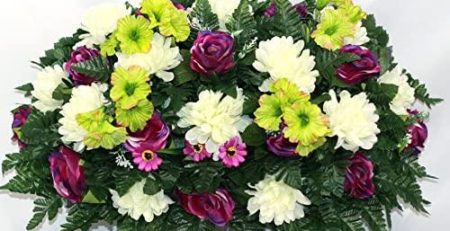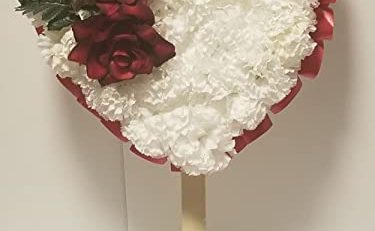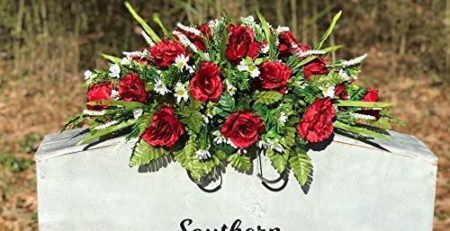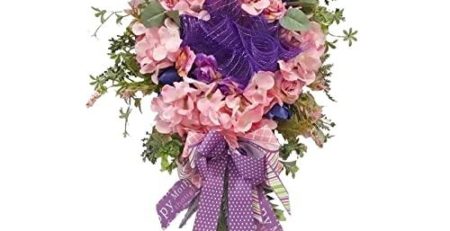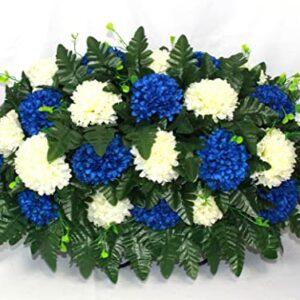
Cemetery Flower Arrangements
Cemetery Flower Arrangements: A Thoughtful Guide to Meaningful Memorials
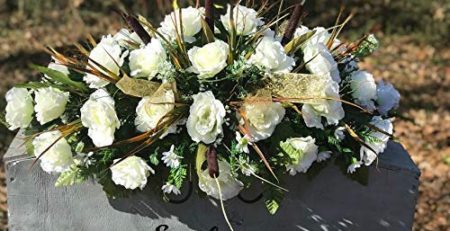
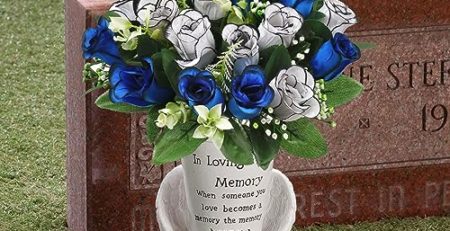
Cemetery flower arrangements are one of those quiet traditions that carry a lot of meaning. Whether you’re visiting a loved one’s grave, preparing for a holiday remembrance, or simply wanting to leave something beautiful behind, flowers give you a way to show love when words feel too small.
For many families in the United States, placing flowers at a grave is part of a yearly rhythm. It might happen on Memorial Day, Father’s Day, birthdays, anniversaries, or just on a spring afternoon when you feel the pull to visit. The flowers may be fresh or artificial, simple or formal, but the message is usually the same: someone is remembered.
This guide explores the history, symbolism, and practical side of cemetery flower arrangements, along with tips for choosing, designing, and maintaining them. If you’ve ever stood beside a headstone and wondered what kind of arrangement feels right, you’re not alone.
Why Cemetery Flower Arrangements Matter
Flowers at a grave are not just decoration. They are a gesture of care, a visual expression of memory, and a way to bring softness to a place associated with loss. Many people find that the act of choosing, arranging, and placing flowers becomes part of the healing process.
Cemeteries can feel still and reflective, and flowers help bridge the space between grief and gratitude. They add color, life, and personal meaning to a memorial site. In that sense, the arrangement becomes part tribute, part conversation, and part ritual.
Even a small bouquet can say, “You mattered, and you still do.”
The History and Symbolism Behind Grave Flowers
People have placed flowers with the dead for thousands of years. Archaeologists have found evidence of flowers in ancient burial sites, and many cultures have used blossoms, wreaths, and greenery as part of remembrance practices.
In Victorian times, flowers even became a kind of symbolic language. Different blooms carried different meanings, which allowed people to express feelings that were difficult to say directly. That idea still influences cemetery flower arrangements today.
Common flower meanings
- Lilies often symbolize peace, purity, and renewal.
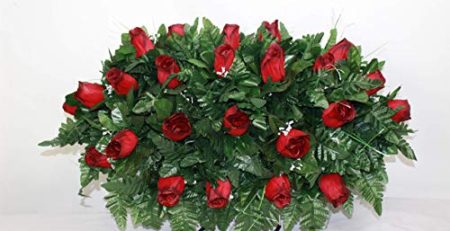
- Roses are widely associated with love, with color adding nuance: red for deep love, white for reverence, pink for gratitude.
- Chrysanthemums can symbolize respect and remembrance in many contexts.
- Marigolds are especially meaningful in some cultural traditions, including Día de los Muertos.
- Daffodils and tulips often suggest spring, hope, and renewal.
Of course, flower symbolism is not fixed. Personal meaning matters too. A grandmother’s favorite flower, a father’s garden bloom, or a color tied to a shared memory can matter more than any traditional interpretation.
Choosing the Right Cemetery Flower Arrangement
The best cemetery flower arrangement is one that reflects the person you’re honoring and fits the cemetery’s rules. Some memorial gardens allow only certain types of containers or seasonal decorations, while others have strict cleanup schedules. Before you plan an arrangement, it’s a good idea to check the cemetery’s guidelines.
Things to consider before you buy or make an arrangement
- Cemetery rules: Some cemeteries restrict glass, metal stakes, or loose items.
- Weather: Sun, wind, rain, snow, and heat can affect both fresh and faux arrangements.
- Placement: Headstones, ground vases, saddles, and monument spaces may require different styles.
- Maintenance: Decide whether you want something short-lived, seasonal, or long-lasting.
- Personal meaning: Choose colors and flowers that reflect the person’s life, preferences, or memory.
If you want a longer-lasting option, silk flowers for arrangements can be a practical choice. High-quality faux blooms are often used in memorial settings because they hold their shape and color longer than fresh flowers, especially in areas with strong sun or variable weather.
Fresh Flowers vs. Silk Flowers for Cemetery Use
Both fresh and artificial flowers have a place in memorial arrangements. The choice often comes down to appearance, upkeep, budget, and local conditions.
Fresh flowers
Fresh flowers bring fragrance and a natural sense of life to a grave site. They can feel especially meaningful for a visit on a specific date or occasion. The tradeoff is that they fade quickly, especially in hot weather, and may need frequent replacement.
Silk flowers
Silk flowers are commonly used as a durable alternative. They do not require water, can last longer in outdoor conditions, and are easier to plan ahead for if you’re visiting from out of town. Many people also appreciate that they can create a consistent memorial look throughout the season.
If you choose faux flowers, look for silk flowers that look real rather than very shiny or overly stiff blooms. More realistic materials, thoughtful color variation, and natural-looking foliage can make a big difference.
How to Make a Cemetery Flower Arrangement
Creating a cemetery arrangement at home is easier than it may seem. You do not need professional florist training to make something beautiful and respectful. A simple, well-balanced design is often more meaningful than an overly complicated one.
What you’ll need
- Silk or fresh flowers
- Greenery or filler, if desired
- A cemetery-safe vase, saddle, or container
- Floral foam or a secure base, if needed
- Wire cutters or scissors
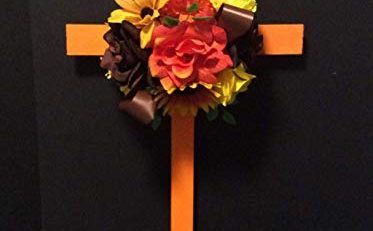
- Ribbon, charms, or small personal accents, if allowed
Step-by-step: arranging silk flowers for a grave
- Choose a color palette. Pick one to three colors for a clean, cohesive look.
- Select a focal flower. Roses, lilies, carnations, or seasonal blooms all work well.
- Add supporting flowers. Use smaller blooms or fillers to create shape and fullness.
- Include greenery. Leaves and stems help the arrangement look finished and natural.
- Trim stems to fit. Make sure the flowers sit securely in the vase or holder.
- Balance the design. Step back and check that one side is not too heavy.
- Secure everything. If the cemetery allows it, use a stable base or floral foam so wind does not tip the arrangement.
If you are making a seasonal piece, think about how it will look in outdoor light. Morning sun, afternoon glare, and overcast days can change the appearance of colors. Softer tones often photograph well and blend naturally with stone and grass.
Design Ideas for Cemetery Arrangements
There is no single correct style. Some families prefer formal, symmetrical bouquets. Others choose simple bunches that feel more personal. Both can be appropriate.
Popular cemetery arrangement styles
- Traditional vase bouquet: A compact arrangement with a central focal flower.
- Wreath-style tribute: Circular designs that symbolize continuity and remembrance.
- Seasonal arrangement: Flowers matched to spring, summer, fall, or winter.
- Garden-inspired look: Loose, natural flowers that feel like they were gathered from home.
- Personalized memorial design: Colors, charms, or flowers chosen for a loved one’s favorites.
Seasonal inspiration
Spring: Tulips, daffodils, hyacinths, and pastel tones feel fresh and hopeful.
Summer: Carnations, daisies, zinnias, and bright colors can hold visual energy.
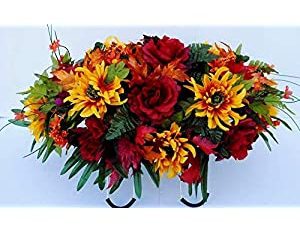
Fall: Chrysanthemums, marigolds, rust tones, and deep reds bring warmth and nostalgia.
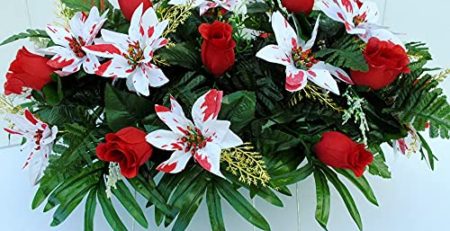
Winter: Evergreen sprigs, pinecones, berries, and red or white accents can feel strong and timeless.
How to Care for Silk Flowers at a Cemetery
Silk flowers are low-maintenance, but they still need occasional care. Dirt, pollen, and weather can dull their appearance over time, especially in exposed outdoor settings.
Cleaning faux flowers
- Remove the arrangement from the vase or holder if possible.
- Shake off loose dust and debris.
- Wipe petals and leaves gently with a dry microfiber cloth.
- Use a lightly damp cloth for stubborn dirt, then let the flowers air-dry fully.
- Check for bent stems or faded ribbons and replace them as needed.
Avoid harsh cleaners unless the product is specifically safe for the material. If flowers are exposed to heavy sun, heat, or winter weather, some fading is normal over time.
Outdoor Safety and Cemetery Etiquette
Memorial arrangements should be beautiful, but they also need to be safe and respectful. Cemetery policies vary, so it helps to know the basics before you visit.
Safety tips
- Do not place open flames near faux greenery or dry materials.
- Avoid glass containers if the cemetery prohibits them.
- Use secure holders so the wind does not blow arrangements over.
- Check for sharp wire ends when working with artificial stems.
- Make sure any decorative pieces won’t become litter or hazards in bad weather.
If you are visiting a cemetery with children or older family members, keep the arrangement setup simple and stable. A thoughtful but safe design is always better than one that creates cleanup or maintenance problems.
Cultural Traditions and Personal Memorials
Cemetery flower arrangements appear in many traditions around the world. In Mexico, Día de los Muertos often includes bright marigolds, candles, and offerings that honor deceased family members with celebration and memory. In Japan, Obon is a time for honoring ancestors with ritual and care. In the United States, families may bring flowers, flags, wreaths, or other meaningful items for holidays and private visits.
Personal memorials can be just as meaningful as formal traditions. A single flower in a vase, a favorite color ribbon, or a small handmade touch can carry enormous emotional weight. A modest arrangement is not “less than” a large one. Often, the most heartfelt memorials are the simplest.
Using Silk Flowers at Home to Prepare Memorial Arrangements
Many people like to assemble cemetery flowers at home before taking them to the grave site. This can be especially helpful if you’re planning for a family visit, a holiday, or a long drive. It also gives you time to think quietly while you work.
If you want to practice, try arranging flowers on a table or countertop with good light. Keep the design balanced and avoid overstuffing the vase. A small arrangement that stays upright outdoors is usually more effective than a large one that falls apart in the wind.
Some people also use memorial flowers at home near framed photographs, prayer cards, or remembrance shelves. In that case, silk flowers in vase arrangements can create a calm, lasting tribute without requiring daily upkeep.
What Makes Faux Flowers Look More Realistic
Not all artificial flowers are created equal. Some look stiff or overly glossy, while others are designed with more natural texture and color variation. If realism matters to you, look for a few key details.
Signs of more realistic faux flowers
- Petals with soft color variation instead of flat, uniform color
- Stems and leaves that look natural rather than plastic-heavy
- Shapes that mimic real blooms instead of perfect symmetry
- Flexible stems that can be adjusted for a more organic look
- Scaled proportions that suit the container and memorial space
In outdoor memorial settings, realistic faux greenery can help the arrangement blend beautifully with stone, grass, and seasonal plantings. The goal is not to make it look fake-free at all costs. The goal is to make it feel calm, natural, and respectful.
Frequently Asked Questions
Q: Can silk flowers be used outdoors at a cemetery?
A: Yes, silk flowers are commonly used outdoors at cemeteries. They are especially helpful in areas with heat, wind, or limited access for frequent replacement. Just check cemetery rules first, since some locations restrict certain containers or decorations.
Q: Do artificial flowers fade in sunlight?
A: They can fade over time, especially with prolonged direct sun exposure. Quality, material, and color all affect how quickly fading occurs. If the grave is in a very sunny spot, choose flowers designed to hold up better outdoors and expect periodic replacement.
Q: How do you clean silk flowers?
A: Dust them with a dry cloth or gently shake them outdoors. For dirt, use a lightly damp cloth and let them dry completely before placing them back. Avoid harsh cleaners unless the manufacturer says they are safe.
Q: Are silk flowers safe near candles or memorial flames?
A: They should be kept away from open flames. Silk flowers and faux greenery can melt or catch fire if placed too close to candles or lanterns. Always leave enough space and follow any cemetery safety rules.
Q: What makes silk flowers look realistic?
A: Realistic silk flowers usually have natural color variation, flexible stems, and petal shapes that resemble real blooms. Smaller details, like matte leaves and balanced proportions, also make a big difference. The best arrangements tend to look soft and natural rather than overly perfect.
Q: Can you mix fresh and artificial flowers in one memorial arrangement?
A: Yes, many people do. Mixing them can add texture and help extend the life of the arrangement. Just make sure the materials work well together and that the design stays stable outdoors.
Q: How long do high-quality faux flowers last?
A: That depends on sun exposure, weather, and material quality. Indoors, they can last for years; outdoors, their lifespan is usually shorter because of sun and weather. Regular cleaning and seasonal rotation can help them look better for longer.
Conclusion
Cemetery flower arrangements are a meaningful way to honor memory, express love, and keep connections alive. Whether you choose fresh blooms or silk flowers for arrangements, the most important thing is the care behind the gesture. A simple bouquet, placed thoughtfully, can speak volumes.
In the end, these arrangements are less about decoration and more about remembrance. They help us show up, reflect, and continue the conversation with the people who still matter to us.