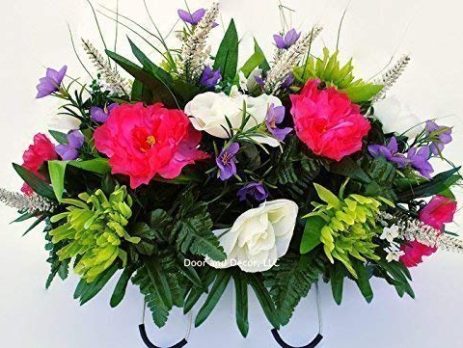
Cemetery Monument Vases – Durable Elegant Memorial Flower Holders
Cemetery Monument Vases: A Quiet Way to Honor a Loved One
Cemetery monument vases may seem like a small detail, but they often carry a lot of meaning. For many families, a vase at a grave site is more than a flower holder. It is a place to set a bouquet, leave a seasonal tribute, or simply show that someone is still remembered.
Whether the vase is built into the monument, mounted beside the headstone, or designed to sit flush with the ground, its purpose is the same: to give flowers a respectful place to rest. In many cemeteries, that simple gesture becomes part of a family ritual that continues for years.
If you have ever stood at a gravesite and noticed a single bloom, a faded arrangement, or a fresh bouquet in a granite or bronze vase, you already understand the feeling. These memorial accents are practical, but they are also deeply personal.
What Cemetery Monument Vases Are Used For
Cemetery monument vases are designed to hold flowers or other small memorial items at a gravesite. They are often chosen for memorialization, decoration, and maintenance convenience. A vase gives arrangements a defined place, which can help keep a gravesite looking cared for and intentional.
People use them for many reasons:
- To place fresh or artificial flowers at a grave
- To mark birthdays, anniversaries, or holidays
- To create a tidy, respectful appearance
- To make it easier to replace flowers during visits
- To support a family tradition of remembrance
Some families prefer a simple, understated look. Others like to add seasonal flowers, patriotic arrangements, or silk flowers that can last longer between visits. There is no single right way to do it.
Common Types of Monument Vases
Not all cemetery vases are the same. The right choice depends on the monument style, cemetery rules, maintenance preferences, and local weather.
Built-In Monument Vases
These are often incorporated into the base or design of the memorial itself. They create a polished, coordinated look and are usually intended to match the stone or monument material.
Recessed or Retractable Vases
These vases sit low or flush when not in use and can be raised when flowers are placed inside. They are a practical option for cemeteries where mowing, trimming, or maintenance access is important.
Mounted Vases
Mounted vases attach to or sit beside the monument. They are commonly made from materials such as bronze or granite and may be chosen for their stability and appearance.
Standalone Grave Vases
Some vases are separate from the headstone and placed near the marker. These can be a good option when the original monument did not include a flower holder, though cemetery rules may limit what can be added later.
Materials to Consider
Material matters because cemetery vases are exposed to weather, sunlight, moisture, and seasonal changes. In the United States, that can mean anything from intense summer sun to winter freeze-thaw cycles.
Bronze
Bronze is a traditional choice for memorial fixtures. It is durable and often used for long-term outdoor applications. Over time, bronze can develop a natural patina, which many people consider part of its character.
Granite
Granite vases can create a cohesive look when paired with a granite headstone. Granite is known for its strength and weather resistance, though the finish and maintenance needs can vary.
Metal
Some metal vases are chosen for their classic look and sturdiness. The exact performance depends on the type of metal and finish, so it helps to ask how the vase handles outdoor exposure.
Plastic and Resin
These may be more affordable, but they typically do not age as gracefully as stone or metal. Sun exposure can cause fading or brittleness over time, especially in warm climates.
How Cemetery Rules Affect Vase Choices
Before adding or replacing a monument vase, check the cemetery’s regulations. Many cemeteries have specific policies about materials, placement, size, and whether accessories can be added after burial.
Some common rules include:
- Only certain vase materials are allowed
- Accessories must match the monument style
- Items cannot interfere with groundskeeping
- Seasonal decorations may be restricted
- Vases must be installed by approved personnel
It is always better to ask in advance than to assume a vase can be installed freely. This is especially important if the marker sits in a lawn section with regular mowing equipment or if the cemetery uses uniform monument guidelines.
Choosing a Vase That Fits the Memorial
A cemetery vase should feel appropriate to the monument and to the person being remembered. Some families want the vase to blend in quietly. Others want it to add a small but meaningful touch.
When choosing, think about:
- Color: Should it match the headstone or stand out slightly?
- Size: Will it hold one stem, a small bunch, or a fuller arrangement?
- Style: Is the memorial formal, simple, traditional, or modern?
- Maintenance: How often will it be cleaned or refreshed?
- Weather exposure: Will it face heavy rain, snow, or strong sun?
A well-chosen vase does not need to be elaborate. In many cases, the most fitting memorial accent is the one that feels calm, durable, and true to the person it honors.
Why Families Use Silk Flowers in Memorial Vases
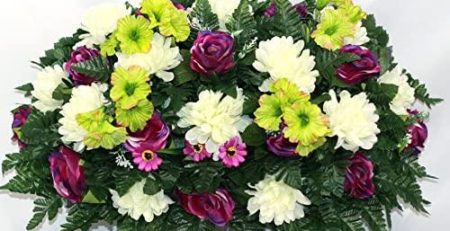
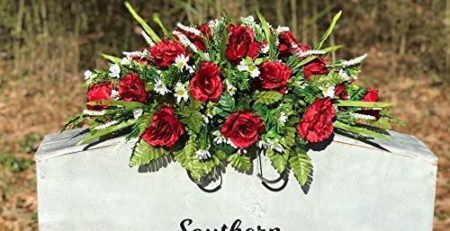
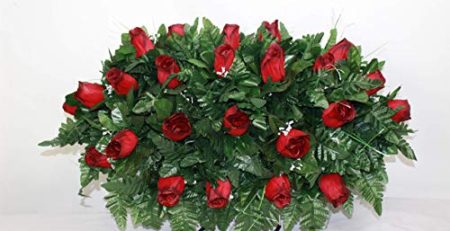
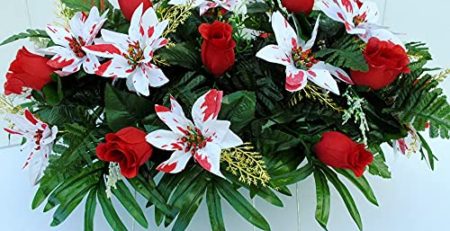
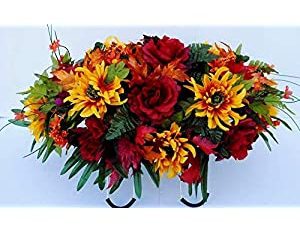
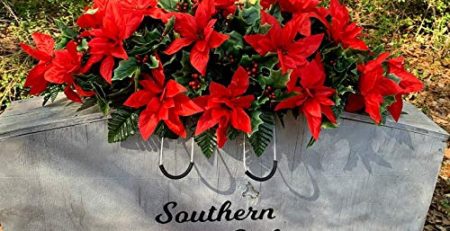
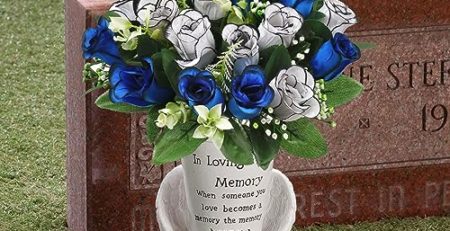
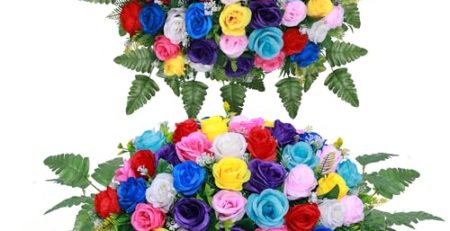
Many families choose silk flowers for gravesites because they can stay attractive longer than fresh flowers, especially when visits are infrequent. Silk flowers also work well for people who want a consistent look between maintenance trips.
High-quality silk flowers can be especially helpful in hot or dry climates, where fresh arrangements may wilt quickly. They can also be useful in winter, when freezing temperatures make fresh floral care difficult.
That said, no flower option is perfect. Silk flowers can fade in sunlight, collect dust, or become weather-worn over time. Choosing realistic faux flowers and replacing them periodically can help keep the memorial looking thoughtful rather than tired.
How to Arrange Flowers in a Cemetery Vase
If you are placing flowers in a monument vase, a simple, balanced arrangement usually works best. You do not need a professional florist’s touch to make it meaningful.
Step-by-Step Arrangement Tips
- Clean the vase first. Remove dirt, water residue, and debris.
- Choose a focal flower. One larger bloom or a few matching stems can anchor the look.
- Add greenery carefully. Faux greenery can help fill the arrangement without making it look crowded.
- Trim stems as needed. Shorter stems often look more natural in a memorial vase.
- Keep the arrangement balanced. Avoid an uneven or top-heavy look that could tip in wind.
- Check for cemetery restrictions. Make sure the arrangement does not violate local rules.
If you are using silk flowers, look for stems that can be bent gently into place. That helps create a fuller arrangement without forcing the vase to hold too much weight.
How to Care for Cemetery Vases and Faux Flowers
Routine care makes a big difference, especially for outdoor memorials. A few minutes of maintenance can keep the vase and flowers looking more respectful and less weathered.
Basic Cleaning Steps
- Remove the flowers and any loose debris.
- Wipe the vase with a soft cloth.
- Use mild soap and water if the surface allows it.
- Dry completely to reduce spotting, mildew, or water buildup.
- Check for cracks, loose parts, or corrosion before replacing the flowers.
For silk flowers, a light dusting with a soft brush or microfiber cloth often works well. If they are especially dirty, gently wiping them with a barely damp cloth may help, but test carefully and avoid soaking delicate materials.
If the arrangement sits in direct sun, expect some fading over time. Rotating flowers or replacing them periodically is a normal part of memorial care.
Practical Weather Considerations
Cemetery monument vases live outdoors, so weather should always be part of the decision. In many parts of the country, summer heat, winter ice, heavy rain, and strong wind all affect how long a vase or floral arrangement will last.
Here are a few common issues to think about:
- Sun exposure: Can fade faux flowers and weaken some plastics
- Rain: Can collect in vases and lead to mold or debris buildup
- Freeze-thaw cycles: Can crack materials if water gets trapped inside
- Wind: Can tilt lightweight arrangements or blow loose stems away
- Mowing and trimming: Requires stable placement and cemetery-approved designs
If you live in a region with harsh winters or very hot summers, durability matters more than appearance alone. A vase that looks beautiful indoors may not perform well outside for long.
Safety and Respectful Use
Memorial spaces deserve care and caution. If you are placing decorations near a gravesite, keep safety and cemetery rules in mind.
- Do not place open flames near faux flowers or dry materials.
- Avoid overcrowding the vase with materials that could catch on maintenance equipment.
- Make sure sharp edges or broken parts are removed promptly.
- Use stable, approved products to reduce the chance of items being knocked over.
If the cemetery allows candles, lanterns, or seasonal decor, ask about spacing and timing. Rules can differ from one location to another.
Personal Meaning Matters More Than Perfection
One of the most important things about cemetery monument vases is that they are not just functional items. They often become part of a family’s ongoing relationship with memory, loss, and love.
A vase does not need to be fancy to matter. Sometimes the smallest, most ordinary object becomes the place where remembrance feels most real.
For some people, that means fresh flowers on special days. For others, it means a silk arrangement that stays in place for weeks. For many families, the right choice is the one that feels respectful, manageable, and sincere.
When to Replace a Memorial Vase or Arrangement
Even durable cemetery vases and silk flowers will eventually show wear. Signs it may be time to replace or refresh them include:
- Cracks, chips, or corrosion
- Fading from sun exposure
- Staining or mildew buildup
- Loose mounting or instability
- Flowers that look flattened, brittle, or worn
Replacing these items is not about perfection. It is about keeping the memorial looking cared for in a way that fits the family’s intentions.
Frequently Asked Questions
Q: Can silk flowers be used in cemetery monument vases?
A: Yes, silk flowers are commonly used in cemetery monument vases because they can last longer than fresh flowers. They are especially practical for families who cannot visit frequently. Just be aware that sun and weather can still fade them over time.
Q: Do artificial flowers fade in sunlight?
A: Yes, many artificial flowers will fade if exposed to direct sunlight for long periods. UV-resistant options may hold color better, but no material stays perfect forever outdoors. Regular rotation and replacement can help maintain appearance.
Q: How do you clean a cemetery vase?
A: Start by removing flowers and debris, then wipe the vase with a soft cloth. Mild soap and water may be appropriate depending on the material, but always dry it thoroughly afterward. This helps reduce staining, mildew, and water buildup.
Q: Are cemetery vases allowed everywhere?
A: No, cemetery rules vary by location. Some cemeteries allow only certain materials or require vases to be part of the original monument design. Always check with the cemetery before adding or replacing a vase.
Q: What makes silk flowers look realistic?
A: Realistic silk flowers usually have natural-looking color variation, shaped petals, and stems that do not appear overly shiny or stiff. The arrangement also matters; a balanced, not-too-perfect design often looks more lifelike. High-quality materials generally age better outdoors than inexpensive alternatives.
Q: Can I use fresh and faux flowers together?
A: Yes, many people combine fresh and artificial flowers in the same arrangement. This can create a fuller look while extending the life of the display. Just make sure the vase can support the arrangement and that the cemetery allows it.
Q: Are retractable cemetery vases worth considering?
A: They can be a practical choice because they sit low when not in use and may interfere less with mowing or maintenance. They are especially helpful in cemeteries with strict groundskeeping rules. Whether they are the right fit depends on the monument style and cemetery regulations.
Conclusion
Cemetery monument vases may be small, but they can hold a great deal of meaning. They offer a respectful place for flowers, a simple way to mark remembrance, and a quiet connection between the living and the loved one being honored. With the right material, the right placement, and a little care, a memorial vase can remain a lasting part of that tribute.