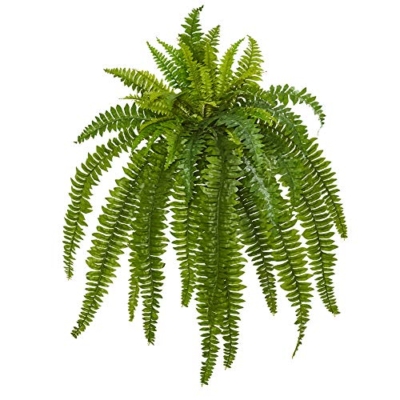
Artificial plants have become increasingly popular across the United States, with artificial ferns leading the way as one of the most sought-after greenery options. Perfect for homes, offices, commercial spaces, and even outdoor patios, artificial ferns bring the lush, forest-like charm of real ferns—without the upkeep. This article explores the growing demand for artificial ferns in the USA, their advantages, usage trends, and where to find the best ones.
Why Artificial Ferns Are Gaining Popularity in the USA
American consumers are embracing artificial ferns for a range of reasons, from practicality to aesthetics. According to a 2023 report by Grand View Research, the global artificial plant market is expected to reach $3.2 billion by 2027, with North America being a dominant contributor.
Key Benefits of Artificial Ferns
Low Maintenance: No watering, pruning, or fertilizing needed.
Allergy-Free: Ideal for households sensitive to pollen or mold spores.
Durable: Most are UV-resistant and weather-tolerant, especially those designed for outdoor use.
Versatile Design: Available in various sizes, colors, and arrangements to suit different spaces.
Popular Use Cases of Artificial Ferns in the USA
From downtown apartments in New York to suburban homes in Texas, artificial ferns are being used creatively to elevate interiors and landscapes alike.
Home Décor
Living Rooms: Potted artificial ferns placed in corners or on bookshelves create a calming atmosphere.
Bathrooms: Ideal for humid spaces where real plants may rot or develop mold.
Balconies and Patios: UV-protected outdoor ferns add greenery without the risk of drying out.
Commercial Spaces
Offices: Fake ferns add freshness to cubicles and lobbies without facility maintenance costs.
Retail Stores: Often used in display windows or as part of seasonal arrangements.
Restaurants: Create a lush ambiance while complying with health regulations that limit live plants in kitchens or food prep areas.
Real-Life Case Study: Artificial Ferns in a Chicago Hotel
The Heritage Garden Hotel in Chicago renovated its indoor lobby in 2022, incorporating artificial Boston ferns suspended from the ceiling in rustic baskets. The decision was based on feedback from guests seeking a “green oasis.” According to hotel management, the installation cut annual plant maintenance costs by 60% and improved Instagram engagement due to the photogenic setting.
Choosing Quality Artificial Ferns
When shopping for artificial ferns, American buyers should consider key quality indicators to ensure longevity and visual appeal:
Material: Look for silk or plastic ferns with a realistic finish and sturdy stems.
UV Resistance: Especially important for outdoor applications in sunny states like California, Arizona, and Florida.
Fire Retardant Options: Necessary for commercial use in compliance with fire safety codes.
Warranty and Reviews: Opt for brands with strong warranties and positive customer feedback.
Where to Buy Artificial Ferns in the USA
Artificial ferns are widely available both online and in-store. Here are some popular vendors in the United States:
Amazon: Wide range of options, customer reviews, and Prime shipping.
Home Depot & Lowe’s: Ideal for seeing the product in person before buying.
Wayfair: Offers high-end artificial fern arrangements for interior designers and upscale homes.
Local Garden Centers: Increasingly stocking high-quality faux plants due to rising demand.
Final Thoughts: Bringing Nature Indoors—Without the Hassle
Artificial ferns offer a perfect fusion of beauty, convenience, and durability. For American homeowners and businesses seeking year-round greenery without the time commitment of real plants, faux ferns are an ideal solution. As the trend toward biophilic design grows—emphasizing natural elements in built environments—artificial ferns are poised to remain a mainstay in U.S. décor trends.
Whether you’re looking to decorate your home, upgrade your office space, or enhance an outdoor area, artificial ferns provide a budget-friendly, low-maintenance, and stylish alternative that’s hard to beat.
-
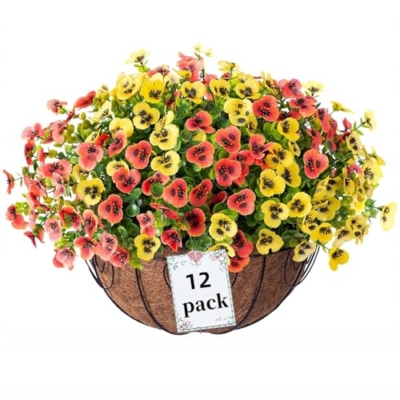
Artificial Pansy Flowers, Red and Yellow Faux Pansy Bundles, Outdoor Decor, 12 Bundles, 20cm
Bring the beauty of flowers in…
Bring the beauty of flowers into your home with these Artificial Pansy Hanging Plants. Made of premium plastic, they are easy to set up and require no maintenance – no watering needed! UV resistant and durable for any weather, they...
-
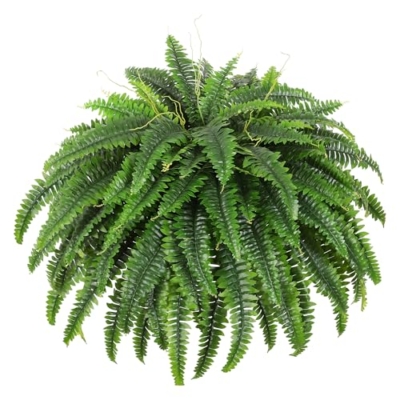
Artificial Boston Fern Bush, Silky Faux Fern, 95 Branches, Large Indoor Outdoor Greenery, 49in
Bring the outdoors in with our…
Bring the outdoors in with our realistic Silk Artificial Boston Fern Bush. Measuring 26 inches long and boasting 95 branch elements, it’s perfect for adding a pop of color to any room. No need to water or worry about wilting...
-
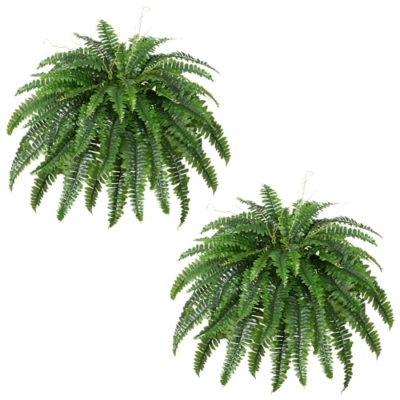
Artificial Boston Fern Bush Set of 2, Large Faux Ferns, Lifelike Silk Plastic Greenery, 45Inch
Bring the beauty of nature ind…
Bring the beauty of nature indoors with our lifelike Silk Artificial Boston Fern Bushes! Crafted from premium silk and plastic, these faux ferns are UV-resistant and washable. Each plant is 19 inches long, 45 inches wide when expanded, and features...
-

Artificial Hydrangea Fern Ceramic Vase Bouquet, Silk Flower Arrangement, Home Office Decor, 60cm
Bring the beauty of nature ind…
Bring the beauty of nature indoors with lifelike artificial flowers in a realistic mix of hydrangeas and ferns. The vibrant colors and soft petals feel just like the real deal. Pop them in the elegant ceramic vase that fits any...
-
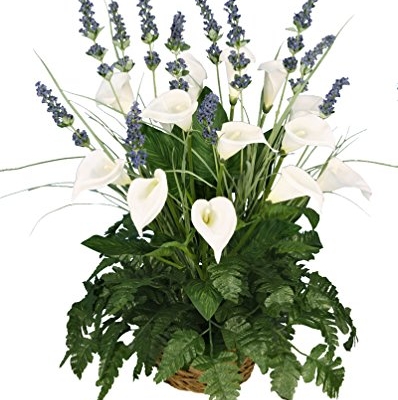
Artificial Calla Lily Basket Arrangement, Lavender Leather Fern Grass, Faux Floral Display 24 in
Brighten up your space with th…
Brighten up your space with the Arcadia Silk Plantation 24″ Faux Calla Lily in a lovely shade of purple. This lifelike arrangement also features lush leather fern grass, all nestled in a charming basket display. Perfect for adding a touch...
-
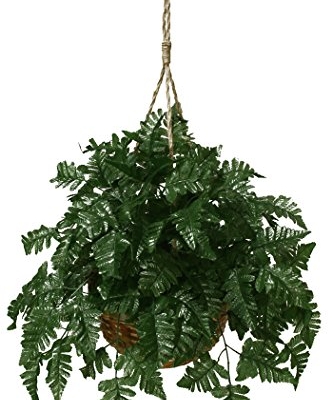
Artificial Leather Fern Hanging Basket, Extra Full Faux Plant Decor, Silk Faux Greenery Arrangement 20.5cm
Bring some greenery into your …
Bring some greenery into your space with this lush simulated leather fern hanging basket. Perfect for adding a touch of nature without the maintenance. It’s so realistic, you might just forget it’s not the real deal!
-
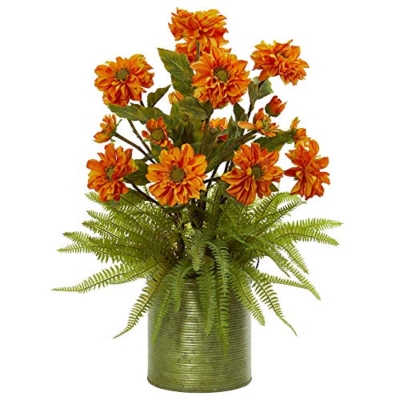
Orange Zinnia Fern Artificial Metal Planter Arrangement, Modern Faux Floral Decor, 25in
Brighten up your bedside with …
Brighten up your bedside with this eye-catching floral arrangement! Bursting with vibrant blooms and lush greenery, it comes nestled in a sleek metal container. Standing at 25 inches tall and 20 inches wide, it’s the perfect size to add a...
-

Artificial Fern Hibiscus Wreath, Faux Green Floral Door Wreath, Home Decor, 24in
Spruce up your space with this…
Spruce up your space with this faux wreath featuring lifelike ferns and vibrant hibiscus blooms. Perfect for year-round enjoyment. Get the look of real without any hassle – no watering or pruning required! Dimensions: 24in. W x 4in. D x...
-
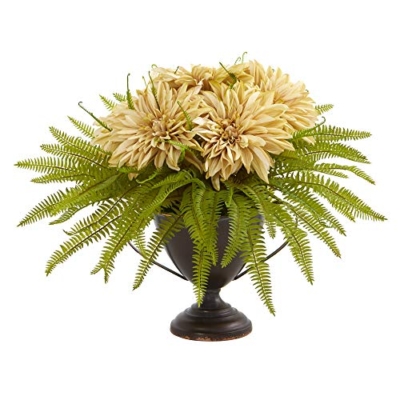
Nearly Natural Dahlia Fern Artificial Metal Goblet Arrangement, Cream, 14in.
Elevate your space with this s…
Elevate your space with this stunning faux arrangement of silk dahlia blooms and lush fern foliage in a metal goblet. Standing at 14 inches tall, it’s the perfect centerpiece for any room. No watering needed, just enjoy the vibrant colors...
-
Nearly Natural Boston Fern Artificial Silk Plants Green Set of 2, Full Lush Faux Fern Decor, 35”
Add a touch of lush greenery t…
Add a touch of lush greenery to your space with these 35-inch Boston Ferns. Each fern is a beautiful mix of short and long green fronds, creating a dense, luxurious look. Perfect for accent tables or tall planters, these realistic...
-
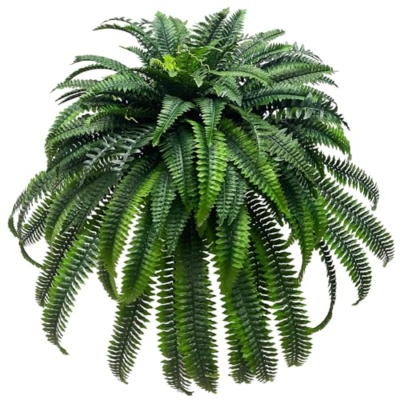
Artificial Boston Fern Plant, 128 Stems Faux Fern, Indoor Outdoor Hanging Greenery, 62”
Bring nature indoors with the …
Bring nature indoors with the stunning BANNINEO 128 Stems Artificial Boston Fern Plants. Standing tall at 62 inches, these lifelike faux ferns add a touch of greenery to any space, from gardens to front porches. Crafted from durable plastic, they...
-
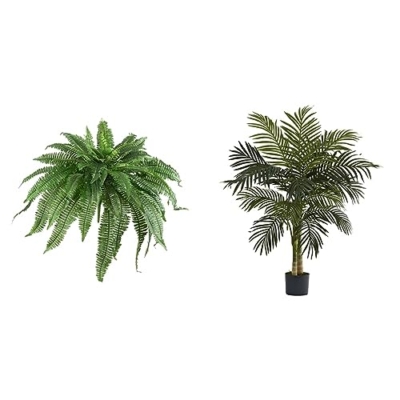
Artificial Boston Fern Hanging Plant, Golden Cane Palm Tree, Faux Greenery Decor, Set of 2, 48in, 4ft
Bring the tropics indoors with…
Bring the tropics indoors with our elegant 4-foot Golden Cane Palm tree. Bursting with lifelike palm leaves on two separate trunks, this beauty will have you feeling like a treasure hunter. No watering or pruning needed, just wipe clean for...
-
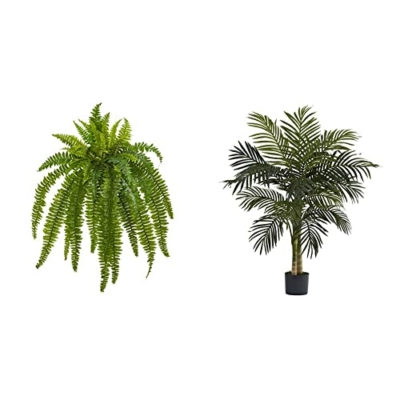
Nearly Natural Boston Fern Silk Plants, Golden Cane Palm Tree, Artificial Greenery Set, 4ft.
Get two 35″ tall Boston fern s…
Get two 35″ tall Boston fern silk plants with small green ferns on top of longer cascading ones. Add a 4ft. golden Cane Palm tree with two trunks and golden palm fronds for a tropical vibe. Made from premium materials...
-
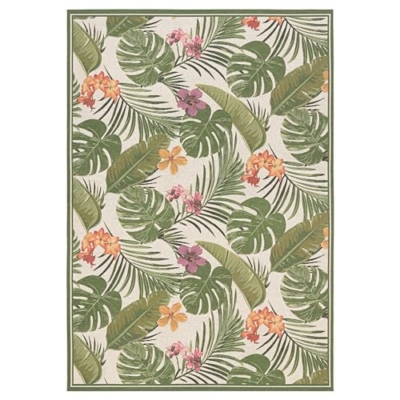
Couristan Dolce Flowering Fern Indoor Outdoor Area Rug, Ivory Hunter Green, 5’3 x 7’6
Got spills? Clean ’em up fast …
Got spills? Clean ’em up fast to avoid stubborn stains. Keep your space looking fresh with regular vacuuming thanks to the structured flat woven construction. Perfect for indoor or outdoor use, plus it’s UV stabilized. Comes with a handy 1-year...
-
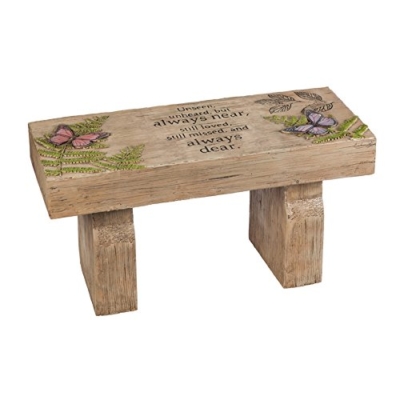
Memorial Outdoor Garden Bench, Butterflies Ferns Tribute Decor, Gravesite Pet Loss Memory, 29W x 12D x 14.5H
Honor a loved one with this ou…
Honor a loved one with this outdoor garden ornament, crafted from durable magnesium oxide for lasting beauty. Engraved with a sentimental quote, it’s perfect for a pathway, tree, or flower bed. Backed by over 25 years of quality craftsmanship from...