Artificial olive trees have surged in popularity across the United States due to their aesthetic appeal, low maintenance, and versatility in both residential and commercial settings. Once seen primarily as a design trend in Mediterranean-style homes, these faux trees are now a go-to greenery solution in modern, boho, rustic, and minimalist interiors. But what exactly makes them such a favored choice among American homeowners and decorators?
The Rise of Artificial Plants in American Homes
According to a 2023 report by the American Society of Interior Designers, artificial plants have seen a 37% increase in adoption in U.S. homes over the last five years. This growth is driven by several factors:
Urban living: Many Americans live in apartments with limited sunlight or no outdoor spaces.
Busy lifestyles: Faux plants offer the beauty of nature without the upkeep.
Design flexibility: Artificial trees can be moved, shaped, and styled with ease.
Among artificial plants, olive trees stand out for their subtle elegance, muted green tones, and symbolically rich history.
Why Artificial Olive Trees? Key Benefits
Artificial olive trees combine timeless beauty with practicality. Here are some of the top benefits:
Zero maintenance: No watering, pruning, or worrying about pests or seasonal changes.
Durability: High-quality faux trees can last 5–10 years or longer with minimal care.
Allergy-friendly: A perfect option for individuals sensitive to pollen or plant allergens.
Customizable sizes: Available in heights from 3 feet to over 9 feet, fitting every space from tabletops to grand entryways.
Popular Uses of Artificial Olive Trees Across the USA
Artificial olive trees have found their way into a variety of design applications. Let’s look at some case studies and examples.
Residential Interiors
In cities like Los Angeles and Miami, faux olive trees are staples in living rooms, home offices, and entryways. Designer Shea McGee of Studio McGee often features 6-foot artificial olive trees in neutral-toned interiors, creating a peaceful, organic vibe without the upkeep of a real plant.
Commercial Spaces
Restaurants, cafes, and boutique hotels from New York to Austin use artificial olive trees to add warmth and sophistication. The Olive Tree Café in San Diego, for instance, uses a mix of real and faux greenery to keep their décor consistent year-round despite changing weather conditions.
Outdoor-Style Indoor Areas
Even though they’re designed for indoor use, many faux olive trees are used in covered patios and sunrooms, offering a Mediterranean feel without the climate challenges real trees face in colder states like Minnesota or Michigan.
What to Look for When Buying an Artificial Olive Tree
Not all artificial olive trees are created equal. Consider these factors before making a purchase:
Realistic detailing: Look for hand-painted leaves, natural trunk textures, and realistic branch structures.
Material quality: Silk, polyester, and polyethylene are common materials; higher-end models often combine them for realism and durability.
Weighted base: A sturdy pot or base prevents tipping and enhances overall stability.
UV-resistance: If placing near a window, UV protection can prevent fading over time.
Top Retailers for Artificial Olive Trees in the USA
Several retailers offer high-quality artificial olive trees. Here are a few top-rated options:
CB2: Modern design and high-end faux trees with realistic aesthetics.
West Elm: Stylish options that complement contemporary home décor.
Amazon: Wide variety for every budget, including customer reviews to guide your purchase.
Wayfair: Frequent deals and a vast selection across sizes and styles.
Conclusion: The Perfect Green Touch for Any Space
Artificial olive trees offer a beautiful, maintenance-free way to bring nature indoors, perfectly suiting the modern American lifestyle. Whether you’re a city dweller in a small apartment or a business owner looking to add warmth to your space, these elegant trees provide style and serenity year-round. With a wide range of quality options available online and in stores, it’s easier than ever to find the perfect olive tree to elevate your environment.
In short, artificial olive trees are more than a trend—they’re a timeless design solution embraced across the USA.
-
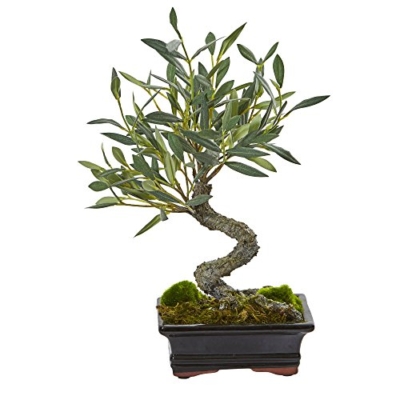
Artificial Mini Olive Bonsai Tree, Lifelike Faux Greenery Decor, Handcrafted Home Accent 20.5cm
Great for adding a touch of na…
Great for adding a touch of nature to your living space, this lifelike artificial plant is designed to be a standout piece on your mantelpiece or side table. With delicate light and dark green leaves and a realistic twisted stalk,...
-
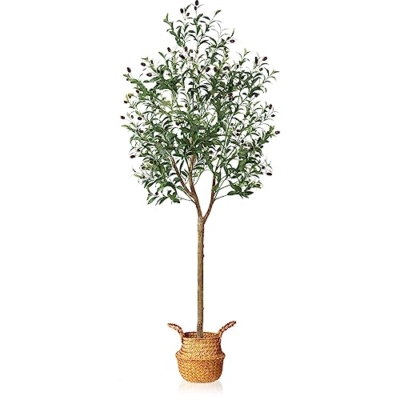
Artificial Olive Tree, Realistic Silk Leaves, Seagrass Basket, Indoor Decor, 6FT
Elevate your space with this l…
Elevate your space with this lifelike 6FT artificial olive tree, perfect for home, office, or commercial decor. Adaptable branches and realistic silk leaves bring a touch of nature to any room. Comes with a handcrafted seagrass basket for a boho...
-
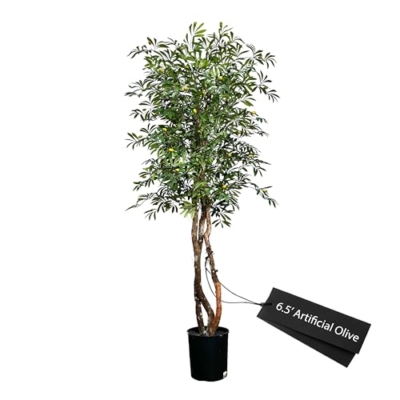
Artificial Mediterranean Olive Tree, Cypress & Alabaster Handmade Real Wood Trunks, Hypoallergenic Green, 6.5ft
Welcome to Cypress & Alaba…
Welcome to Cypress & Alabaster, where we believe in creating inviting, healthy spaces without harming our planet. Our hand-crafted artificial trees feature real moss accents and ethically-sourced wood trunks, replacing plastic ones that fill up landfills. Plus, we plant a...
-
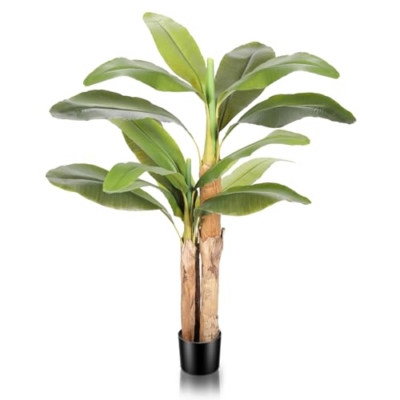
Artificial Olive Tree Indoor Decor, FEELEAD Faux Olive Tree, Mediterranean Style, 5ft
Get that natural, Mediterranea…
Get that natural, Mediterranean look with this lifelike faux olive tree. Perfect for any space, it adds sophistication without the hassle of upkeep. Choose from 5ft, 6ft, or 7ft sizes to fit your style. Enjoy the beauty of nature indoors...
-
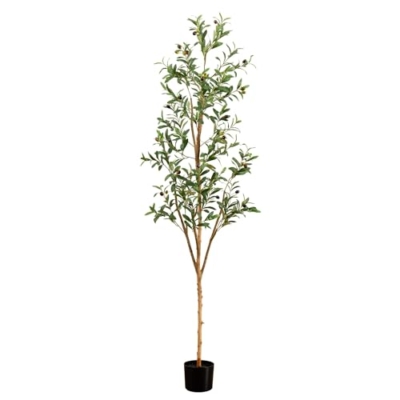
6FT Artificial Olive Tree, Faux Olive Tree with Natural Wood Trunk, Realistic Branches, Lifelike Fruits, 6FT
Add a touch of Mediterranean f…
Add a touch of Mediterranean flair to your space with the artificial olive tree. It effortlessly combines classic beauty with modern charm, featuring a natural trunk and leaves in light and dark green hues. Standing at 6′, it’s a trendy...