Artificial grass has emerged as a vibrant and versatile landscaping solution across the United States, offering homeowners, businesses, and public institutions an eco-friendly and low-maintenance alternative to natural turf. With its realistic appearance, durability, and water-saving benefits, synthetic turf has grown far beyond athletic fields to find applications in residential lawns, commercial properties, schools, pet areas, and even urban rooftops.
Why Artificial Grass is Gaining Popularity in the USA
The growing popularity of artificial grass can be attributed to a combination of environmental concerns, rising water costs, and lifestyle preferences. According to a study by the Synthetic Turf Council, over 265 million square feet of artificial turf were installed in North America in 2022 alone, reflecting a 20% year-over-year increase.
Water Conservation: Natural lawns require about 55 gallons of water per square foot annually. Artificial grass eliminates this need, saving thousands of gallons per household each year.
Low Maintenance: Synthetic turf requires no mowing, fertilizing, or pesticide use, making it a time- and cost-effective solution.
All-Season Appeal: Unlike natural grass that browns in drought or cold, artificial grass remains lush and green year-round.
Multi-Use Applications of Artificial Grass
Artificial grass is no longer just for sports fields. Its adaptability and durability have made it a go-to solution for various environments and uses across the USA:
Residential Lawns & Landscapes
Homeowners appreciate artificial turf for its visual appeal and practicality. It’s particularly popular in arid regions like California, Arizona, and Nevada where water restrictions make natural grass difficult to sustain.
Pet-Friendly Yards
Pet owners favor artificial grass for its ease of cleaning and odor control. Brands like Pet Turf are designed with antimicrobial features and superior drainage systems to handle pet waste efficiently.
Playgrounds and Schools
Schools and daycare centers install synthetic turf for safety and durability. Many products include padded underlayers that reduce impact injuries, making them compliant with ASTM fall height standards.
Commercial and Urban Use
Businesses use artificial grass to enhance curb appeal, reduce maintenance costs, and create green rooftop spaces. Restaurants and retail locations also use it for stylish outdoor seating areas and decorative walls.
Case Studies: Success Across the States
Las Vegas, Nevada: The Southern Nevada Water Authority offers rebates for converting natural lawns to artificial grass, helping reduce water usage by over 10 billion gallons annually since the program’s inception.
Austin, Texas: A local school district replaced 30,000 square feet of natural grass with synthetic turf, reducing maintenance costs by 70% and improving student safety during recess and sports.
Important Considerations Before Installation
Heat Retention: Artificial grass can get hot under direct sunlight. Consider using lighter shades or shaded installations in hot climates.
Drainage: Proper installation with a permeable base ensures efficient water runoff and prevents pooling.
Quality and Warranty: Choose turf with UV protection and a solid warranty (typically 8-15 years) to ensure longevity and color retention.
Conclusion: A Smart, Sustainable Choice
Artificial grass is revolutionizing landscapes across the USA with its vibrant appearance, low maintenance demands, and incredible versatility. From backyard play zones to stylish commercial installations, it offers a smart alternative to traditional lawns—especially in regions grappling with water shortages and environmental concerns. With improved technologies and expanding applications, synthetic turf is set to become an even more integral part of modern American landscaping.
Whether you’re a homeowner seeking curb appeal, a business aiming for cost-effective beautification, or a municipality focused on sustainability, artificial grass offers a green, durable, and multi-use solution that thrives in all seasons.
-
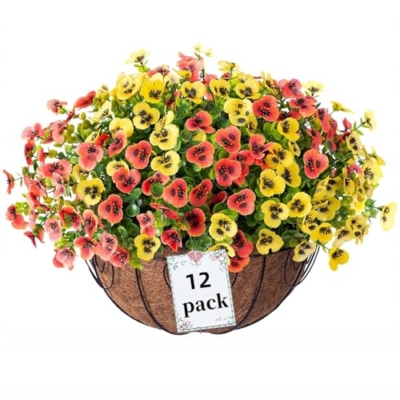
Artificial Pansy Flowers, Red and Yellow Faux Pansy Bundles, Outdoor Decor, 12 Bundles, 20cm
Bring the beauty of flowers in…
Bring the beauty of flowers into your home with these Artificial Pansy Hanging Plants. Made of premium plastic, they are easy to set up and require no maintenance – no watering needed! UV resistant and durable for any weather, they...
-
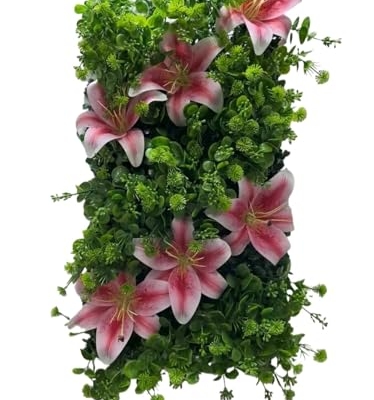
Artificial Lily Wall Panels, Green Privacy Fence Decor, Indoor Outdoor Faux Grass Panels, 25x50CM
Add a natural touch to any ind…
Add a natural touch to any indoor or outdoor space with our 25x50CM Faux Lily Decor Flower Plant Grass Wall Panels. Perfect for family gatherings, weddings, or garden parties. These Green Plant Privacy Fence Panels are easy to install and...
-
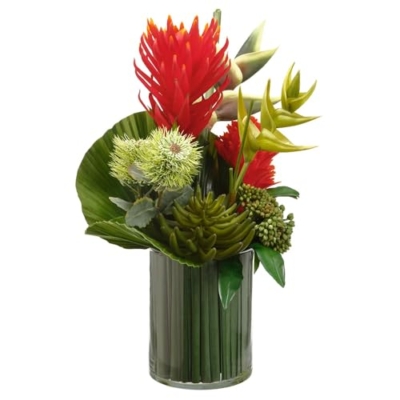
Artificial Protea Bromeliad Grass Arrangement, Red Green Faux Flowers in Glass Vase, 24.5x17in
Add a touch of elegance to you…
Add a touch of elegance to your space with this stunning artificial orchid arrangement. Standing at 24.5 inches tall and 17 inches wide, it’s the perfect size for a side table or shelf. Complete with a beautiful glass vase, this...
-
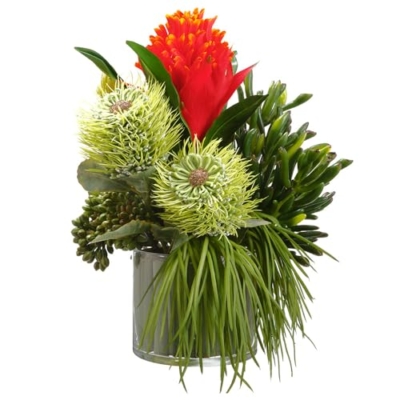
Artificial Bromeliad Succulent Grass Flower Arrangement, Red Green Glass Vase, 12x11x10in
Add a touch of elegance to you…
Add a touch of elegance to your home with this stunning artificial orchid arrangement. Stand out with its lifelike petals and vibrant colors. The perfect size for any space at 12″ tall, 11″ wide, and 10″ deep. Comes complete with...
-
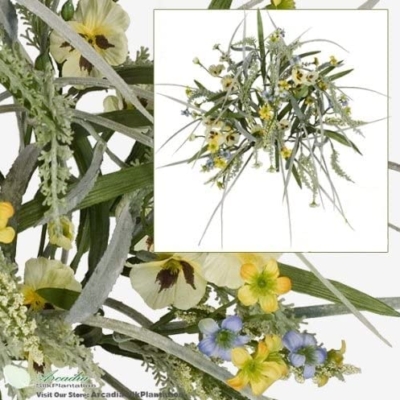
Artificial Pansy Astilbe Flower Arrangement, Yellow Blue Faux Floral Grass, Pack of 6, 17in
Brighten up your space with th…
Brighten up your space with these lifelike Arcadia Silk Plantation 17″ Pansy Astilbe Mixed Faux Flowers! Six packs of colorful greenery in shades of yellow and blue will bring a touch of nature indoors without the upkeep. Perfect for adding...
-
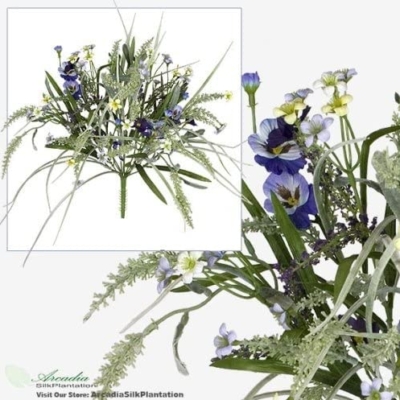
Artificial Flower Grass Arrangement, Arcadia Silk Plantation 17 Pansy Astilbe Lavender Purple, Pack of 6, 17in
Brighten up your space with th…
Brighten up your space with this beautiful 17″ Pansy Astilbe Mixed Faux Flower Grass Arrangement from Arcadia Silk Plantation. The lovely lavender purple flowers add a pop of color to any room, and the realistic design will fool even the...
-
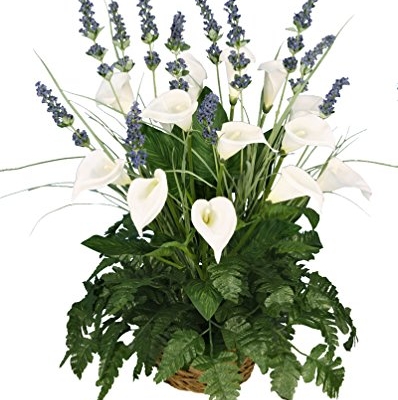
Artificial Calla Lily Basket Arrangement, Lavender Leather Fern Grass, Faux Floral Display 24 in
Brighten up your space with th…
Brighten up your space with the Arcadia Silk Plantation 24″ Faux Calla Lily in a lovely shade of purple. This lifelike arrangement also features lush leather fern grass, all nestled in a charming basket display. Perfect for adding a touch...
-

Wood Roses Red Black Tips Onion Grass Faux Floral Bouquet, Spanish Decorative Arrangement, 2 Dozen, 32.5cm
Bring some natural beauty into…
Bring some natural beauty into your space with this lifelike faux plant. No need to worry about watering it – it’ll stay vibrant forever! Perfect for any occasion, this realistic plant adds a touch of greenery without the hassle of...
-
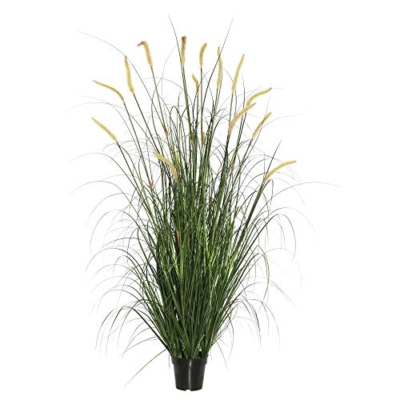
Artificial Green Foxtail Grass, Faux Grass Plant Decor, Black Plastic Pot, 60in
Bring nature indoors with this…
Bring nature indoors with this lush artificial tall grass plant. Standing at 60″ high and 30″ wide, it’s the perfect addition to any home or office. The coordinating black pot adds a touch of style, while the realistic design requires...
-
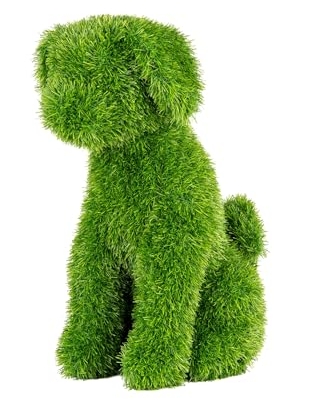
Artificial Topiary Sitting Dog, Faux Grass Garden Plush Decor, UV Resistant Outdoor Accent 20.5cm
Crafted from high-quality mate…
Crafted from high-quality materials for a realistic look and exceptional durability. Withstands weather conditions for constant beauty year-round. Artistic design captures classic topiary style with whimsical shape and trimmed edges. UV-resistant to maintain vibrant foliage. Easy maintenance with no watering...
-
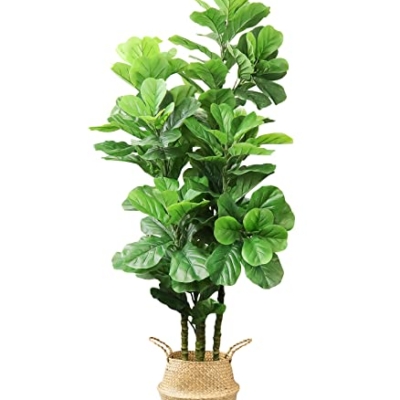
6ft Artificial Fiddle Leaf Fig Tree, Woven Seagrass Plant Basket Indoor, Faux Indoor Greenery 6ft
Bring the Outdoors In: This 6f…
Bring the Outdoors In: This 6ft artificial fiddle leaf fig tree is a realistic and stylish choice for indoor decor. Crafted with attention to detail, it’s the perfect way to add a touch of nature to any room. No watering...
-
Artificial Fiddle Leaf Fig Tree, 6 FT Tall, Woven Seagrass Plant Basket, Faux Indoor Greenery 6FT
【Realistic and Elegant】This 6-…
【Realistic and Elegant】This 6-foot faux fiddle leaf fig tree looks just like the real deal, with intricate leaves for a lifelike touch. Perfect for indoor spaces, it adds a natural vibe to any room. Crafted from premium polyester, it’s sturdy...
-
Artificial Fiddle Leaf Fig Tree, Woven Seagrass Basket, Indoor Faux Plant Décor, 70 in
Add a touch of sophistication …
Add a touch of sophistication to your space with our stylish Snake Plant Artificial made from premium PE material. No need for sunlight or watering – just enjoy the realistic look of 28 full leaves in a solid cement pot....
-
Artificial Fiddle Leaf Fig Tree, Woven Seagrass Basket, Moss, Indoor Faux Tree, 6ft
Bring the outdoors in with our…
Bring the outdoors in with our lifelike 6ft artificial fiddle leaf fig tree. Each leaf is meticulously designed for a realistic touch. Made from high-quality polyester and durable seagrass blue wicker, it’s the perfect low-maintenance alternative for any room. Easy...
-
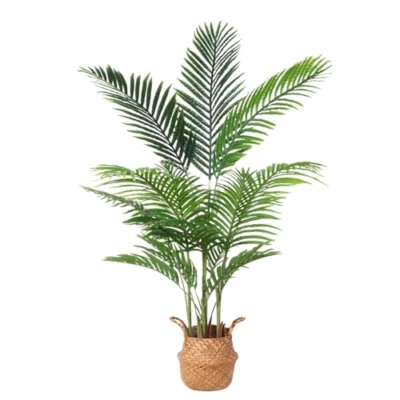
Artificial Areca Palm Plant, Fake Dypsis Lutescens Tree in Woven Seagrass Belly Basket, Indoor Outdoor Office 4.6Ft
LIFELIKE & EASY-CARE – Fer…
LIFELIKE & EASY-CARE – Ferrgoal’s faux palm tree mirrors the beauty of areca palms with durable, anti-aging leaves that won’t fade or require upkeep. No watering or trimming needed—just a quick wipe-down when dirty. Perfect for homes, offices, and more....
-
Artificial Bird of Paradise Plant, 5Ft Fake Tropical Palm Tree, Woven Seagrass Basket, Indoor Outdoor Decor, 5Ft
Add a touch of green to your s…
Add a touch of green to your space with our faux banana tree. Standing at 5 feet tall, this olive tree comes in a nondecorative pot filled with concrete for stability. Perfect for any room, it’s an easy way to...
-
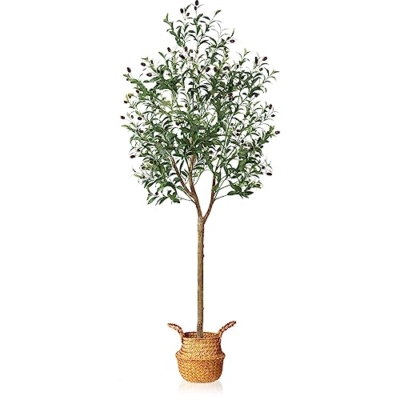
Artificial Olive Tree, Realistic Silk Leaves, Seagrass Basket, Indoor Decor, 6FT
Elevate your space with this l…
Elevate your space with this lifelike 6FT artificial olive tree, perfect for home, office, or commercial decor. Adaptable branches and realistic silk leaves bring a touch of nature to any room. Comes with a handcrafted seagrass basket for a boho...
-
6ft Artificial Wisteria Tree, Faux Floral Tree with Woven Seagrass Basket, Lifelike Indoor Outdoor Decor 6ft
Bring a touch of nature indoor…
Bring a touch of nature indoors with our lifelike pink blossom tree. Made with real wood, winding vines, and delicate details, this large faux tree is perfect for porches, balconies, fireplaces, and more. Sturdy construction ensures it can withstand the...
-
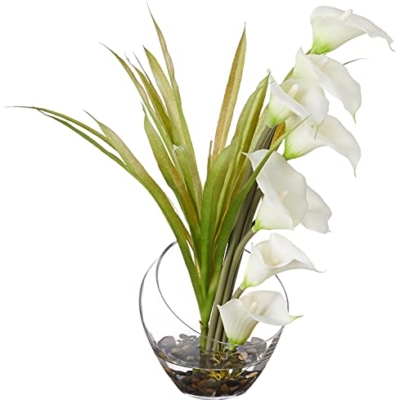
Artificial Calla Lily Arrangement in Vase, Cream Floral Decor with Grass, Low Maintenance Home Office Accent, 15.5in.
Easily catch the eye with this…
Easily catch the eye with this striking display. It includes a modern vase filled with artificial water and pebbles, lifelike green leaves, and vibrant calla lilies. Meticulously crafted from top-notch materials. Just a heads up, you may need to do...
-
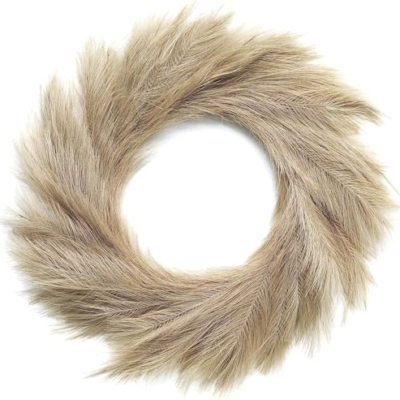
Artificial Pampas Wreath, Taupe Gray Boho Decor, Rattan Base, 34cm
Enhance your space with our De…
Enhance your space with our Deluxe Pampas Grass Wreath! Crafted with premium silk material for zero shedding and lasting durability. Hang it anywhere – living room, dining room, or entrance! Adjust the fluffy pampas stems for the perfect shape. A...