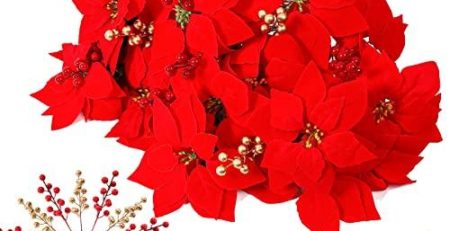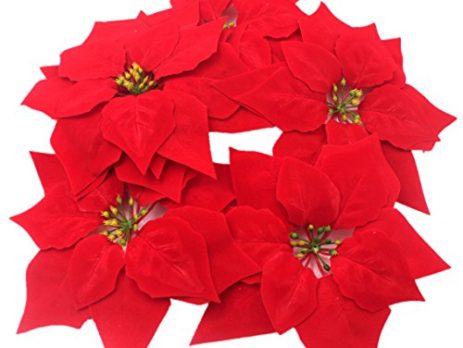
Artificial Poinsettias
Artificial Poinsettias: A Practical Guide to Choosing, Styling, and Caring for Faux Holiday Greens
Artificial poinsettias have a funny way of becoming part of the holiday rhythm. One year they’re tucked into a wreath, the next they’re on the mantel, and before long they’re the red touch you pull out every November because you know they’ll still look good in January. That’s a big part of the appeal: they bring color, shape, and seasonal warmth without the watering, shedding, or short lifespan of a real plant.
For many people, the decision comes down to convenience. But there’s more to it than that. Faux poinsettias can be easier to place in homes with pets, safer around busy households, and useful when you want a holiday look that lasts through the season. Whether you’re decorating a front door in a snowy climate, a living room with dry indoor heat, or a covered patio for a festive gathering, artificial poinsettias can be a smart decorating choice when you pick and style them well.
Why People Choose Artificial Poinsettias
Real poinsettias are classic holiday plants, but they can be fussy. They need the right light, careful watering, and protection from cold drafts and heat sources. In many American homes, especially during winter, those conditions are hard to control. Artificial poinsettias remove most of those headaches.
Here are the most common reasons people use them:
- No watering or soil mess — helpful for busy households and travel-heavy holiday schedules.
- Long-lasting color — they stay red, white, pink, or whatever color you choose throughout the season.
- Easy to reuse — many artificial flowers can be stored and brought out year after year.
- Flexible decorating — they work in wreaths, centerpieces, garlands, and mantel displays.
- Helpful for homes with pets or children — you avoid soil spills and the stress of plant care.
That doesn’t mean faux flowers are perfect for every setting, but they do solve a lot of seasonal decorating problems in a simple way.
What Makes High-Quality Artificial Poinsettias Look Better
Not all artificial poinsettias look the same. Some have a flat, shiny look that reads as obviously fake from across the room. Others have more depth, texture, and natural shaping. If you want a more realistic result, focus on a few details.
Shape and layering
Real poinsettias have layered bracts, not just one flat circle of petals. Good faux versions usually have layered pieces that create dimension. When the layers overlap naturally, the flower looks fuller and more convincing.
Color variation
Real plants are not one solid color from edge to edge. A more realistic artificial poinsettia often includes subtle shading, veining, or slight tonal differences. That small variation helps the flower look less manufactured.
Stem and leaf structure
Look at the stems, leaves, and center detail. If the stem is too stiff or the “flower center” is oversized and glossy, the piece may look artificial. More believable faux greenery usually has softer lines and a more natural-looking center.
Material texture
Some artificial poinsettias are made with fabric that feels soft, while others are firmer or more paper-like. Neither is automatically better, but texture affects realism. A flower that catches light in a gentle, matte way often looks more natural than one with a plastic shine.
In short: the best artificial poinsettias usually balance color, texture, and structure so they feel decorative without looking overly stiff.
How to Style Artificial Poinsettias in Your Home
Artificial poinsettias work because they’re versatile. You can make them feel elegant, rustic, modern, traditional, or playful depending on how you place them.
On the mantel
The mantel is one of the easiest places to style faux holiday flowers. Try placing poinsettias in pairs at each end of the mantel, then add greenery or candles in between. If your mantel sits above a fireplace, make sure the flowers are set far enough away from heat and open flame.
In a wreath
Poinsettias are a popular choice for wreaths because their petals create instant fullness. If you’re building a wreath yourself, wire the stems securely and balance the flowers so the arrangement does not feel lopsided. A few well-placed blooms often look better than too many crowded together.
On a dining table
For a holiday table, keep the arrangement low enough that guests can see each other across the table. Combine artificial poinsettias with pinecones, evergreen sprigs, or candles in hurricane holders. If you use candles, keep the faux flowers safely out of the flame’s range.
Near an entryway
A front entry is a natural place for festive color. You can place artificial poinsettias in a decorative pot, weave them into a wreath, or tuck them into a porch arrangement. If the entry is exposed to winter weather or strong afternoon sun, consider using faux flowers designed for tougher conditions.
In a shelf or sideboard display
Artificial poinsettias can brighten bookshelves, consoles, and buffet tables. Mix them with books, lanterns, framed photos, or seasonal ornaments to keep the look from feeling too formal.
Step-by-Step: How to Arrange Artificial Poinsettias
If you’re putting together your own display, a simple method helps the arrangement look polished instead of crowded.
- Start with your base — choose a vase, basket, wreath form, or container that fits the scale of the room.
- Shape the stems — gently bend stems and leaves so they spread naturally rather than pointing in one direction.
- Place the largest blooms first — use the main flowers to establish the overall shape.
- Fill with greenery — add faux pine, eucalyptus, or other greenery to soften gaps.
- Check the silhouette — step back and view it from the front, side, and slightly above.
- Adjust for balance — if one side feels too heavy, shift a bloom or add greenery to the opposite side.
- Finish with details — ribbon, pinecones, berries, or neutral filler can help the design feel complete.
A helpful rule: if the arrangement looks too perfect, add one small irregularity. Real plants are never perfectly symmetrical, and a slight variation makes faux flowers feel more believable.
How to Clean Artificial Poinsettias
Dust is one of the main things that makes artificial flowers look tired over time. Cleaning them regularly keeps the color brighter and the petals more attractive.
Basic cleaning method
- Use a soft microfiber cloth or feather duster to remove loose dust.
- For small details, use a clean, dry paintbrush or makeup brush to get into creases.
- If the flower is labeled safe for light cleaning, wipe gently with a slightly damp cloth.
- Let the piece dry fully before placing it back on display.
For hard-to-reach dust, a can of compressed air may help, but use it carefully so you do not bend delicate petals or scatter debris indoors. Avoid soaking faux flowers unless the care instructions specifically allow it.
Storage tip
When the season ends, store artificial poinsettias in a box or bin where petals won’t get crushed. Tissue paper, paper towels, or clean packing paper can help separate layers. Keeping them in a cool, dry space also helps preserve their shape.
Artificial Poinsettias for Real Homes: Practical Considerations
It’s easy to focus on the decorative side, but a good choice also fits the realities of daily life.
Homes with pets
Many households choose faux poinsettias because they don’t want pets chewing on live plants, soil, or fertilizer. While artificial flowers are not edible and can still pose a choking hazard if torn apart, they remove some of the concerns that come with real plants. If you have a curious dog or cat, place arrangements where they’re less likely to be knocked over.
Homes with children
For families, artificial flowers can be a low-maintenance option. They don’t shed soil and they stay put better than a live plant in a lightweight pot. Still, keep small decorative pieces like wired berries, glittered accents, or loose ornaments out of reach of very young children.
Sunny windows and patios
Direct sunlight can fade many artificial materials over time. If you want to place poinsettias near a bright window or on a patio, check whether the product is designed to handle UV exposure. Even then, rotating décor occasionally can help reduce uneven fading.
Shipping and storage
Artificial flowers are often shipped compressed, folded, or boxed tightly to save space. When they arrive, don’t judge them by the first five minutes. Gently fluff the petals, straighten stems, and let the arrangement settle before deciding how it looks. A flower that seems flat in the box often improves once shaped.
Real vs. Artificial: Which Is Better for Holiday Decorating?
There is no single correct answer. Real poinsettias offer the freshness and fragrance that some people love, while artificial ones offer convenience and consistency. The better choice depends on your space and priorities.
Choose real poinsettias if:
- You enjoy caring for live plants.
- You want a natural plant for a short-term display.
- You have the light and temperature conditions they need.
Choose artificial poinsettias if:
- You want a display that lasts all season.
- You need a low-maintenance option.
- You’re decorating a hard-to-maintain area like a busy entryway or a room with dry heat.
- You want to reuse your décor year after year.
Some homeowners even combine both. A real centerpiece can be paired with artificial accents in a wreath or garland, creating a layered look that feels festive without demanding too much upkeep.
Safety Tips for Using Faux Holiday Flowers
Artificial does not mean risk-free. A few simple precautions can help keep your décor safe and lasting longer.
- Keep faux flowers away from open flames, fireplaces, and hot bulbs.
- Do not place them directly against heat vents or space heaters.
- If decorating outdoors, secure lightweight arrangements so wind does not blow them away.
- Check that any wired stems or decorative picks are covered or tucked away safely.
- If the piece is used around children or pets, avoid designs with loose small parts.
These basics are especially important during the holidays, when homes often have more candles, string lights, and foot traffic than usual.
How Artificial Poinsettias Help Create a Holiday Mood
One reason artificial poinsettias remain popular is that they do more than fill space. They signal the season. When red blooms appear on a mantel, table, or front door, the room instantly feels more intentional and festive.
That feeling matters. Holiday décor is not just about the object itself; it’s about the routine it creates. Pulling out the same flowers each year, smoothing the petals, and placing them where they belong becomes part of the season’s rhythm. In that way, artificial poinsettias can carry a surprising amount of emotional weight for something made from fabric, wire, and foam or plastic components.
They are practical, yes, but they’re also familiar. And for many people, that combination is exactly what makes them worthwhile.
Frequently Asked Questions
Q: Can artificial poinsettias be used outdoors?
A: Yes, but it depends on the material and the location. Covered porches and sheltered entryways are usually safer than fully exposed areas with wind, rain, or strong sun. For outdoor use, look for faux flowers made to handle weather and UV exposure.
Q: Do artificial poinsettias fade in sunlight?
A: Many faux flowers can fade over time if placed in direct sunlight. UV-resistant options can help slow fading, but no material is completely immune to sun exposure. Rotating décor and keeping pieces out of harsh afternoon sun can help preserve color.
Q: How do you clean artificial poinsettias?
A: Start by dusting them with a soft cloth or brush. For more detail, use a dry paintbrush to clean around petals and centers, then wipe gently with a barely damp cloth if the material allows it. Always let them dry completely before storing or displaying again.
Q: Are artificial poinsettias safe near candles?
A: They should be kept away from open flames. Artificial flowers can melt or catch fire if placed too close to candles, fireplaces, or hot light sources. If you use candles, make sure the flowers are well out of range.
Q: What makes artificial poinsettias look more realistic?
A: Layered petals, natural color variation, believable stems, and a matte rather than shiny finish all help. Slight irregularities also make them look more natural because real plants are not perfectly uniform.
Q: Can you mix real and artificial flowers in one arrangement?
A: Yes, and many people do. Mixing real greenery with artificial poinsettias can create a fuller, more natural-looking display while reducing the amount of live plant care needed. Just make sure the scale and color tones work together.
Q: How long do artificial poinsettias last?
A: High-quality faux flowers can last for many seasons if they are stored properly and kept out of harsh sun, heat, and moisture. The actual lifespan depends on the material, handling, and how often they are displayed.
Q: Are artificial poinsettias a good choice for pet-friendly homes?
A: They can be a practical choice because they remove concerns about watering, soil spills, and live plant toxicity. However, pets should still be kept from chewing on them, since small parts or wires can be a hazard if damaged.
Conclusion
Artificial poinsettias are a simple way to bring lasting holiday color into your home. When chosen carefully and styled well, they can look festive, feel practical, and hold up through the season with very little upkeep. For anyone who wants a dependable, reusable décor piece that still feels warm and celebratory, faux poinsettias are an easy win.