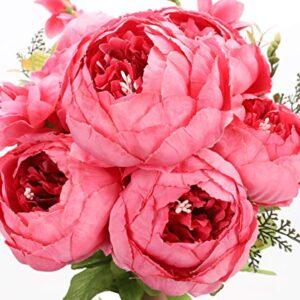
Fake Peonies
Fake Peonies: Why Realistic Silk Flowers Have Become a Smart Home Décor Choice
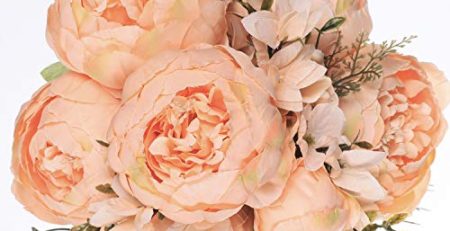
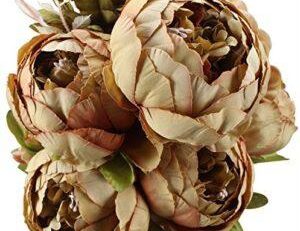
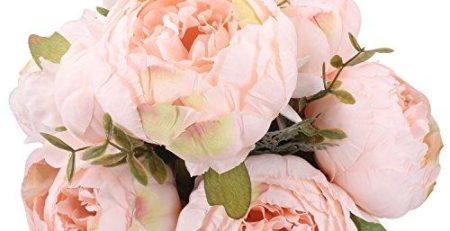
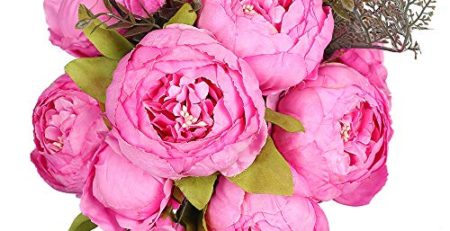
Fake peonies are having a real moment, and for good reason. The best modern versions are no longer the stiff, shiny, obviously artificial flowers many people remember from years ago. Today’s high-quality silk flowers can look soft, layered, and surprisingly natural, making them a practical option for anyone who loves the full, romantic look of peonies without the short vase life or constant upkeep.
If you have ever brought home fresh peonies, you already know the appeal and the frustration. They are gorgeous when they open, but the bloom window can be frustratingly short. A realistic faux version gives you that same soft, cloud-like look every day, whether it is on a dining room table, a mantel, a bathroom shelf, or a foyer console.
For many people, the decision comes down to a simple tradeoff: do you want the fleeting beauty of fresh flowers, or the lasting convenience of a carefully made artificial arrangement? With today’s silk flowers that look real, you may not have to choose as sharply as you once did.
Why Peonies Are So Loved in Home Décor
Peonies have a special place in American home décor because they feel lush, welcoming, and slightly luxurious without being formal. Their layered petals and rounded shape add softness to a room, especially in spaces with clean lines, modern furniture, or lots of neutral color.
Fresh peonies are often used in spring and early summer, but their popularity goes beyond seasonality. People love them in entryways, bedrooms, kitchens, and dining areas because they create an immediate sense of warmth. A bouquet of peonies can make a room feel finished, even if the rest of the space is simple.
That is part of the reason fake peonies make so much sense. They bring the same visual comfort, but without a race against time to enjoy them before they wilt.
What Makes Silk Flowers Look Real?
When people talk about silk flowers, they are often using a general term for realistic faux florals, not necessarily flowers made from actual silk. In practice, many artificial flowers use a mix of materials such as polyester, plastic, latex, foam, or coated fabric. Some are labeled “real touch” or “high quality” because they are designed to mimic the feel and shape of fresh blooms.
Several details usually separate realistic faux flowers from cheap-looking ones:
- Petal shape and layering: Realistic peonies have petals that vary in size and openness, not identical flat layers.
- Color variation: The best versions have subtle changes in tone, not one solid bright color from edge to edge.
- Natural-looking leaves: Leaves should have visible veining, soft color variation, and a finish that is not overly glossy.
- Flexible stems: Wired stems are easier to shape and help the arrangement look less rigid.
- Matte or soft finish: A heavy shine often makes artificial flowers look fake from across the room.
These details matter because most people do not inspect flowers like a product review. They see a bouquet from a few feet away, in natural light, while walking through a room. Realism in that context is about how the whole arrangement reads visually.
Why Fake Peonies Can Be a Practical Choice
There is nothing wrong with loving fresh flowers. But if you want beauty that lasts, fake peonies solve several common problems at once.
1. They do not wilt
Fresh peonies are beautiful, but their lifespan can be short once cut. Artificial blooms stay in place and keep their shape through changing seasons, dry indoor heat, and long stretches between cleanings.
2. They reduce maintenance
No watering, no trimming stems, no changing cloudy vase water, and no worrying about flower food. That makes silk flowers appealing for busy households, vacation homes, and rooms that do not get daily attention.
3. They are useful in hard-to-style spots
Some areas of the home are difficult for live plants and flowers. Dry air, low natural light, constant air conditioning, or a sunny windowsill with harsh exposure can shorten the life of fresh arrangements. Artificial plants and flowers are often easier to use in these locations.
4. They can be more budget-friendly over time
While quality faux flowers may cost more upfront than a grocery store bouquet, they can last for years with basic care. That can make them a sensible option if you like having flowers out regularly.
Where Fake Peonies Work Best in the Home
Fake peonies can fit into almost any room, but some spaces benefit especially from their softness and color.
Dining table centerpieces
A low peony arrangement works well for everyday dining because it adds style without blocking conversation. If you use the table often, faux flowers are convenient because they do not need daily attention.
Entryway consoles
An arrangement of silk flowers can create an inviting first impression near a front door, especially in a home with hard flooring or drywall walls that feel visually bare.
Bathrooms
Bathrooms often have moisture, limited light, or temperature changes that are not ideal for fresh flowers. Fake peonies can add softness without the need to replace them every few days.
Bedrooms
A small bouquet on a dresser or nightstand can make a bedroom feel more finished and serene. Peonies are especially good in bedrooms because their rounded shape feels calm and gentle.
Patios and covered porches
Artificial flowers can be used in covered outdoor areas, but they should be chosen carefully. Direct sun, heat, and weather exposure can fade many materials over time, so placing them under a covered patio is usually safer than leaving them fully exposed.
How to Arrange Fake Peonies So They Look Natural
Even the most realistic faux flowers can look artificial if they are arranged too stiffly. The good news is that a few simple steps can make a big difference.
- Start with the vase. Choose a vase that suits the style of your room. A ceramic, glass, or matte finish vase often looks more natural than a very shiny container.
- Trim or bend stems as needed. If the stems are wired, gently shape them so the bouquet has movement instead of forming a perfect dome.
- Use different bloom stages. Mix open peonies with tighter buds if your arrangement includes them. Natural bouquets rarely look uniform.
- Vary the height. Avoid placing every flower at the same level. Let some blooms sit slightly higher and others lower.
- Fluff the petals. Separate petals lightly with your fingers so the blooms do not look compressed from shipping or storage.
- Add greenery carefully. A little foliage can help, but too much can make the arrangement feel bulky. Keep it balanced.
- Step back and edit. Look at the arrangement from across the room. If it feels too symmetrical or crowded, remove one stem or shift the angles.
A good arrangement does not need to look perfect. In fact, slight asymmetry usually makes faux florals feel more believable.
How to Clean Silk Flowers and Faux Greenery
Dust is the main maintenance issue for artificial flowers. Fortunately, cleaning them is straightforward.
Basic cleaning steps
- Remove the flowers from the vase if needed.
- Use a soft feather duster, microfiber cloth, or clean makeup brush to remove loose dust.
- For deeper cleaning, lightly wipe petals and leaves with a barely damp cloth if the material allows it.
- Let them air dry completely before putting them back on display.
For delicate arrangements, a gentle blow of cool air from a hair dryer can help remove dust, but keep the setting low and avoid heat. If the flowers are made with special coatings, always check the care information from the seller first.
Safety note: Keep faux flowers away from open flames, lit candles, fireplaces, and heat vents. Many artificial materials can melt or catch fire if exposed to direct heat.
How Long Do High-Quality Fake Peonies Last?
There is no single lifespan for artificial flowers because durability depends on materials, sunlight exposure, handling, and storage. High-quality silk flowers can last for years when kept indoors and cleaned occasionally.
However, even good faux flowers can fade or wear down over time if they sit in strong direct sunlight every day. That is why a bouquet on a bright south-facing windowsill may not look the same after a few seasons as one placed on a shaded sideboard.
If you want your flowers to last longer, store them carefully when not in use. A dust-free box in a dry closet is often better than leaving them in a hot attic or damp basement.
How to Tell If Fake Peonies Are Worth Buying
Not every artificial flower is worth the price, and that is where thoughtful shopping matters. A realistic bouquet is usually more about design quality than brand hype.
Before buying, consider these questions:
- Do the petals have depth and variation, or do they look flat?
- Does the color look soft and natural in indoor light?
- Are the leaves and stems shaped believably?
- Would the arrangement still look good after you bend and style it?
- Does the size fit the vase and space you have in mind?
If possible, zoom in on product photos and look for close-up images of the petals, leaves, and stem finish. Shipping concerns also matter. Flowers that arrive compressed in packaging may need time to reshape, so some patience is normal.
Mixing Real and Artificial Flowers
One of the easiest ways to make fake peonies look convincing is to mix them with real stems or other natural elements. This works especially well if you want the arrangement to feel less formal.
For example, you might place a few fresh greens with faux peonies in a vase, or pair artificial blooms with a real branch arrangement in a seasonal display. The contrast in texture can help the eye accept the arrangement as part of the room.
This approach also works if you only need your flowers to last through an event weekend, a dinner party, or a holiday gathering. The realistic faux flowers provide structure, while the live elements add fragrance and movement.
Fake Peonies vs. Fresh Peonies: A Simple Comparison
Fresh peonies win on fragrance and natural movement. Fake peonies win on consistency and convenience. If you love the scent of real flowers after rain, nothing fully replaces that experience. But if your priority is visual softness without upkeep, realistic silk flowers can be an excellent alternative.
Fresh flowers also depend on season and availability. Artificial peonies are available year-round, which makes them easier to plan with for home styling, parties, and everyday décor.
In many homes, the answer is not either/or. People use fresh flowers for special occasions and faux flowers for daily life. That balance can feel both practical and beautiful.
Frequently Asked Questions
Q: Can silk flowers be used outdoors?
A: Yes, but only with caution. Covered porches and shaded patios are usually better than fully exposed areas because sun, rain, and heat can damage or fade many artificial materials.
Q: Do artificial peonies fade in sunlight?
A: They can fade over time if exposed to strong direct sunlight, especially on a bright windowsill or uncovered patio. If you want longer color retention, place them away from intense sun or choose products specifically made for better outdoor resistance.
Q: How do I clean silk flowers?
A: Dust them regularly with a soft cloth, feather duster, or makeup brush. For deeper cleaning, lightly wipe with a barely damp cloth if the material allows it, then let them air dry fully.
Q: What makes silk flowers look realistic?
A: Realistic faux flowers usually have layered petals, natural color variation, flexible stems, and leaves with believable texture. A matte or soft finish also helps avoid the shiny look that gives artificial flowers away.
Q: Are fake flowers safe near candles?
A: They should be kept away from open flames and heat sources. Artificial flowers can melt or catch fire if placed too close to candles, fireplaces, or heating vents.
Q: How long do high-quality faux peonies last?
A: With indoor use and basic care, they can last for years. Their lifespan depends on the quality of the materials, how much sun they get, and how often they are handled or stored.
Q: Can I mix real and artificial flowers in one arrangement?
A: Yes, and it is often a smart way to make an arrangement look more natural. Real greenery or a few fresh stems can add movement and fragrance while faux peonies provide fullness and durability.
Q: Are realistic faux flowers worth the cost?
A: If you like having flowers in your home often, they can be worth it. The upfront cost may be higher than a short-lived bouquet, but the long-term value comes from reusability and low maintenance.
Conclusion
Fake peonies are a great example of how home décor has evolved. When they are well made and styled thoughtfully, they can bring the softness and elegance of fresh flowers into everyday spaces without the short lifespan or constant care. For many homes, that makes silk flowers a practical, beautiful choice.
If you want lasting color, easy maintenance, and a little more comfort in your space, realistic faux peonies are worth a closer look.