
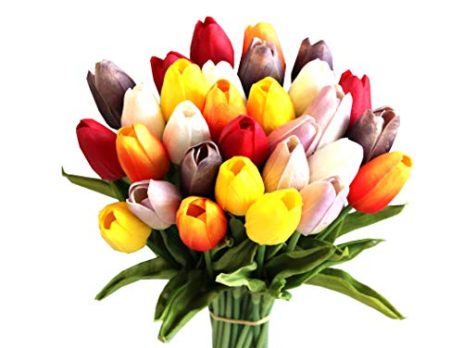
Artificial Tulips
Artificial tulips are one of the easiest ways to bring the fresh look of spring into your home or office without worrying about watering, wilting, or seasonal availability. Whether you love the clean shape of a tulip stem, want a low-maintenance centerpiece, or need décor that works in a busy household, silk flowers can be a practical and attractive choice.
In American homes, faux flowers have become more than a convenience. They’re part of everyday decorating for dining tables, entryways, guest rooms, home offices, and even covered patios. When chosen well, artificial tulips can look polished and natural, especially in spaces where real flowers are hard to keep alive or where allergies are a concern.
Why Artificial Tulips Are So Popular
Tulips have a simple, elegant form that works in many decorating styles. They can feel modern in a clear glass vase, romantic in a mixed bouquet, or cheerful in a bright kitchen. Artificial versions offer the same visual appeal year-round.
One of the biggest benefits is convenience. You can buy or arrange them ahead of time, place them where you want, and enjoy the look immediately. There is no need to wait for a seasonal bloom or make a last-minute run to the florist before guests arrive.
They’re also a helpful option for people with pollen sensitivities. Fresh flowers can trigger allergies, especially in smaller rooms or offices with limited airflow. Faux tulips let you enjoy floral décor without adding allergens to the space.
A practical fit for busy homes
Artificial tulips work especially well in real-world situations like these:
- A dining room centerpiece that stays tidy between holiday meals
- A home office desk that needs a softer, more welcoming feel
- A rental apartment where you want style without ongoing upkeep
- A guest bathroom that could use a small pop of color
- A covered patio where fresh flowers would struggle in heat and sun
What Makes Silk Flowers Look Realistic
Not all faux flowers are created equal. The most realistic silk flowers usually have a few things in common: natural-looking color variation, flexible stems, well-shaped petals, and believable leaf detail. “Silk” flowers are often made from synthetic materials rather than actual silk, but the term is still widely used in the décor world.
High-quality tulips often avoid overly glossy petals or bright, flat colors. Real tulips have subtle shifts in tone, slightly curved petals, and stems that are not perfectly uniform. When faux versions reflect those details, they feel more convincing in a room.
Realism comes from detail, not just material. A well-made artificial tulip often looks better than a lower-quality flower made from a more expensive fabric.
If you want a more natural look, choose tulips with a slightly varied color finish and a stem that can be bent into a relaxed shape. Perfectly straight stems can look stiff, while a little movement makes the arrangement feel more lifelike.
Best Places to Use Artificial Tulips
Artificial tulips are versatile enough for many settings. They can be understated or dramatic depending on the vase, container, and surrounding décor.
Dining tables
A low arrangement of tulips works well as a centerpiece because it adds color without blocking conversation. In a glass vase, white or blush tulips can create a clean, classic look. For a more seasonal feel, mix tulips with greenery or other spring-inspired stems.
Entryways and foyers
Guests often notice the entry first, so a tasteful tulip arrangement can make a home feel more welcoming. This is a great spot for faux flowers because they stay attractive even if the area gets little natural light.
Home offices
Many people want a calmer, more polished workspace. A small vase of artificial tulips can soften a desk or bookshelf without requiring extra care. It’s a simple way to make a work area feel less sterile.
Bathrooms and bedrooms
These rooms benefit from décor that looks fresh but doesn’t need attention every day. Tulips can add a soft touch near a mirror, on a dresser, or beside a sink, especially in spaces that don’t get enough sunlight for real plants.
Covered outdoor areas
Artificial flowers can work on porches or patios that are protected from direct weather. Keep in mind that sun exposure, heat, and moisture can still affect appearance over time, so outdoor placement should be thoughtful. If a space gets intense afternoon sun, consider using products specifically designed for outdoor use.
How to Style Artificial Tulips So They Look Natural
A good arrangement can make faux flowers look much more convincing. The key is to avoid leaving them too uniform. Real flowers naturally vary in angle, height, and spacing.
Step-by-step: arranging tulips in a vase
- Choose the right container. A clear glass vase, ceramic pitcher, or simple metal vessel can all work, depending on your style.
- Set the height. Trim or bend stems so the flowers sit at a natural proportion to the vase. A common guideline is to aim for a bouquet that is about one-and-a-half to two times the vase height.
- Create variation. Some tulips should sit slightly higher or lower than others. Avoid making the top line too flat and even.
- Turn the blooms in different directions. A few tulips facing outward and a few angled inward make the arrangement look less artificial.
- Add greenery if needed. A little faux eucalyptus, grass, or simple foliage can help soften the look.
- Step back and adjust. View the arrangement from across the room to make sure it feels balanced.
If you’re using artificial tulips in a dining room, keep the bouquet low enough to allow eye contact across the table. In an entryway, you can go taller and fuller to create more visual impact.
Cleaning and Caring for Faux Tulips
One reason people choose artificial flowers is easy maintenance. Even so, they do collect dust, especially in open rooms or near vents. Regular light cleaning keeps them looking fresh.
Simple cleaning routine
- Use a soft microfiber cloth or feather duster for light dusting.
- For small crevices, try a clean makeup brush or soft paintbrush.
- If the flower can tolerate it, use compressed air carefully from a safe distance.
- For tougher grime, spot-clean gently with a slightly damp cloth and mild soap, then let it air-dry fully.
Always check the material before using water or cleaning sprays. Some faux flowers have delicate finishes that can be damaged by moisture or strong cleaners. Avoid soaking the arrangement unless the manufacturer says it is safe.
If your tulips are displayed near a kitchen, they may pick up grease faster than in a bedroom or office. In that case, a more frequent dusting schedule can help.
How Artificial Tulips Compare to Fresh Flowers
Fresh tulips have their own beauty, especially for short-term occasions. But artificial tulips solve several common problems: they don’t wilt, they don’t need water, and they can be used long after the season has passed.
That makes them useful for weddings, staged homes, offices, and households that want consistent décor. They also work well for people who like to plan ahead. If you’re decorating for a dinner party, you can set the table days in advance and not worry about flower delivery timing.
There is, however, a trade-off. Fresh flowers have a natural fragrance and subtle movement that artificial versions can’t fully duplicate. For some people, the best solution is a mix of both: fresh blooms for special occasions and silk flowers for everyday style.
Feng Shui and Decorative Placement
Artificial plants and flowers are often used in feng shui-inspired décor because they can bring a sense of life and color to a room. While feng shui practices vary, many people use healthy-looking greenery or flowers to make a space feel more balanced and inviting.
For practical home styling, the main idea is simple: place decorative plants where they support the feel of the room. A tulip arrangement near an entry can make a home feel welcoming, while a soft floral display in a bedroom can create a calmer mood.
If you use faux plants or flowers for this purpose, choose pieces that look clean and well cared for. Dusty or faded décor can have the opposite effect.
Safety Tips for Decorating with Faux Flowers
Faux tulip flowers are convenient, but they still need sensible placement. Many are made from synthetic materials, which means they can be damaged by heat or open flames.
- Keep faux flowers away from candles, fireplaces, and hot light bulbs.
- Do not place them too close to stovetops or other heat sources.
- If using them outdoors, avoid spots with strong wind that could blow arrangements over.
- Make sure tall vases are stable, especially in homes with kids or pets.
If you’re decorating a wedding table or holiday setup, check sightlines and spacing carefully. A beautiful arrangement should never interfere with safe movement around food, drinks, or serving dishes.
Choosing the Right Tulip Style for Your Home
The best artificial tulips for your space depend on your room style and color palette. White tulips feel clean and classic, pink ones add softness, yellow brings cheerfulness, and deeper shades can feel more dramatic.
Think about the room before you choose the arrangement:
- Modern spaces: simple white or cream tulips in a clear vase
- Farmhouse décor: tulips mixed with greenery in a ceramic or rustic container
- Traditional homes: fuller arrangements with mixed stems and a classic vase
- Minimalist rooms: a small cluster of tulips with clean lines and little extra filler
Color also affects how realistic the arrangement feels. Soft, nuanced shades often look more natural than overly bright tones. When in doubt, choose a color that complements your walls, furniture, or table settings rather than competing with them.
When Artificial Tulips Make the Most Sense
Silk tulips are especially helpful when you need flowers that stay looking good with minimal effort. They’re a smart choice for offices with limited natural light, homes with pets that might knock over a vase, and spaces where weekly flower replacement would be inconvenient or expensive.
They also help when you want a specific look for an event. For example, if you’re hosting a spring brunch in February, faux tulips can give you that seasonal feeling even if fresh tulips are limited or costly in your area. They’re also useful for people who move often and want décor that can travel easily from one home to another.
Frequently Asked Questions
Q: Can silk flowers be used outdoors?
A: Yes, but only in protected areas unless they are specifically made for outdoor use. Sun, wind, rain, and heat can fade or damage many faux flowers over time. Covered porches and shaded patios are usually safer than fully exposed outdoor spaces.
Q: Do artificial tulips fade in sunlight?
A: They can, especially if placed in direct sun for long periods. UV-resistant products hold up better, but even those may show wear eventually. Rotating décor and keeping flowers out of harsh afternoon sun can help extend their appearance.
Q: How do you clean silk flowers?
A: Dust them gently with a microfiber cloth, feather duster, or soft brush. For more stubborn dirt, spot-clean carefully with a slightly damp cloth. Always let them dry fully and avoid harsh cleaners unless the material is clearly safe for them.
Q: Are silk flowers safe near candles?
A: They should be kept well away from open flames and heat sources. Many faux flowers are made from synthetic materials that can melt or burn. Use extra caution with centerpieces that may sit near candles or warm serving dishes.
Q: What makes artificial tulips look realistic?
A: Natural-looking color variation, flexible stems, and detailed petals make the biggest difference. Slightly uneven placement also helps, since real flowers are never perfectly symmetrical. A good vase and thoughtful styling matter too.
Q: Can you mix real and artificial flowers in one arrangement?
A: Yes, many people do. Mixing them can create a fuller display and make faux flowers blend more naturally. Just be sure any real flowers are supported properly so water or moisture does not damage the artificial pieces.
Q: How long do high-quality faux flowers last?
A: With proper care, they can last for years. Their lifespan depends on material quality, sunlight exposure, and how often they’re cleaned or moved. Indoor arrangements usually last longer than pieces placed in strong sun or harsh conditions.
Q: Are artificial tulips a good choice for weddings?
A: Yes, especially when you want flowers that can be prepared early and won’t wilt during the event. They can also help with budget planning and reduce last-minute stress. Many couples use them for bouquets, centerpieces, or ceremony décor.
Conclusion
Artificial tulips are a simple, stylish way to add color and elegance to everyday spaces. When chosen thoughtfully and arranged well, they can look polished in homes, offices, and event settings while saving time and reducing maintenance. For readers who want beauty without the constant upkeep of fresh blooms, silk flowers offer a dependable and versatile solution.