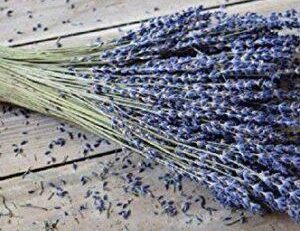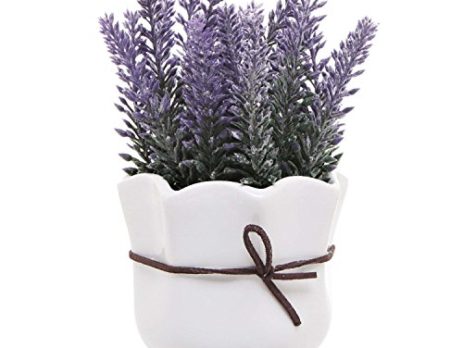
Artificial Lavender Flowers
Artificial Lavender Flowers: Beauty Without the Maintenance
Lavender has a well-earned place in home décor. Its soft purple tones, airy stems, and calming look can make a room feel more welcoming almost instantly. But real lavender is not always easy to keep looking its best, especially in homes with limited sunlight, busy schedules, or allergy concerns. That is why silk flowers and other realistic faux options have become such a practical choice for everyday decorating.
Artificial lavender flowers bring the charm of this classic bloom into your space without the watering, pruning, or seasonal replacements. Whether you are styling a farmhouse dining table, refreshing a front porch, or adding a subtle accent to a bedroom, faux lavender can deliver a natural look with far less effort. The key is knowing how to choose quality stems and how to use them well.
Why Artificial Lavender Flowers Appeal to So Many Homeowners
Silk lavender flowers are popular for more than just convenience. It solves common decorating problems that many people run into with live plants and fresh flowers. For U.S. homeowners, renters, and event planners, it offers flexibility in spaces where real plants may struggle.
- Low maintenance: No watering, pruning, or sunlight is needed.
- Allergy-friendly: A good option for people sensitive to pollen or strong floral scents.
- Long-lasting: Quality faux stems can be used again and again for years.
- Versatile: Works in vases, wreaths, planters, centerpieces, and seasonal displays.
- More predictable: The color and shape stay consistent, which helps when coordinating décor.
That consistency matters in spaces like entryways, powder rooms, and sunrooms, where live plants can be harder to maintain. It also helps when you want a styled look for a holiday gathering or housewarming without the pressure of keeping flowers fresh.
What Makes Artificial Lavender Look Realistic?
Not all faux flowers are created equal. Some look convincing from a distance but fall apart under closer inspection. Others have the softer shape and color variation that make them feel more like the real thing. If you are shopping for silk flowers that look real, a few details matter most.
Material and texture
High-quality faux lavender often uses silk-like fabric, coated plastic, or a blend of materials. The goal is to create soft petals and natural-looking stems rather than a shiny, stiff appearance. Real lavender has a delicate, slightly uneven texture, so the best artificial versions avoid looking too uniform.
Color variation
Real lavender is not a single flat shade of purple. Good faux stems often include subtle differences in tone, such as dusty lilac, muted violet, or soft green accents on the leaves. Those variations help the arrangement feel more authentic.
Stem shape
Flexible stems are easier to arrange in vases, wreaths, and baskets. They also make it simpler to create a natural curve rather than a straight, stiff look. In many home settings, that small detail makes a big difference.
Scale and proportion
Real lavender is delicate, so oversized blooms can look unrealistic. A better choice is a stem size that matches the scale of your vase or arrangement. For example, a narrow ceramic pitcher on a kitchen shelf usually looks better with slender lavender stems than with large, bulky flowers.
Best Ways to Use Artificial Lavender in Home Décor
Artificial lavender works across many decorating styles, from rustic farmhouse to clean, modern spaces. Because the flowers are lightweight and durable, they are easy to move from room to room or swap out by season.
1. Table centerpieces
A simple vase of faux lavender can make a dining table feel finished without taking up too much space. For a more layered look, pair it with eucalyptus, baby’s breath, dried wheat, or a neutral ceramic container. This works well for everyday dining rooms, holiday buffets, and bridal showers.
If you are setting a table for guests, keep the arrangement low enough that people can talk across it comfortably. Taller stems can work, but they should not block sightlines at a dinner table.
2. Entryway and console tables
An entryway is one of the easiest places to use artificial lavender. A small arrangement on a console table or shelf can add color without requiring much space. This is especially useful in homes with limited natural light where live flowers would fade or struggle.
3. Wreaths for doors and walls
Lavender wreaths bring a soft, welcoming feel to front doors, interior walls, and even kitchen pantries. On drywall, it is best to use the right hanging method, such as a removable adhesive hook designed for the weight of the wreath. That helps avoid damage when you remove it later.
4. Bedroom accents
Lavender is often associated with calm, so it makes sense in bedrooms and reading nooks. A small arrangement on a nightstand, dresser, or vanity can create a peaceful look without the need for a plant care routine. If you prefer a minimal style, use just a few stems in a clear or matte vase.
5. Bathrooms and powder rooms
Bathrooms can be tricky for live plants because of fluctuating humidity and limited light. Artificial lavender gives you the look of greenery and floral detail without worrying about moisture or window access. A small arrangement on a shelf or counter can make the room feel more polished.
6. Patios and covered outdoor spaces
If you want lavender on a porch, balcony, or covered patio, choose faux stems designed for outdoor conditions when possible. Even then, placement matters. Protected spaces do better than exposed spots with intense sun, rain, or wind. This is especially important in states with strong summer sun, where direct exposure can shorten the life of artificial materials.
How to Arrange Artificial Lavender Like a Pro
A good arrangement does not require professional skills. A few simple steps can help artificial lavender look balanced and natural in your home.
- Choose the right container. Narrow-necked vases, rustic pitchers, woven baskets, and ceramic pots all work well depending on your style.
- Trim stems if needed. Use wire cutters or strong floral scissors if the stems are too tall for your container.
- Shape the stems. Bend each stem slightly so the flowers fan out in different directions instead of standing in a stiff cluster.
- Mix heights and angles. Let a few stems sit a little higher and place others lower for a more natural silhouette.
- Add texture. Eucalyptus, dried grass, or simple filler stems can help break up the look and add depth.
- Step back and adjust. View the arrangement from the front, sides, and a few feet away to see whether it feels balanced.
If you are using artificial lavender in a bouquet-style display, avoid overpacking the vase. Real lavender tends to look airy and delicate, so leaving some space around the stems often creates a more believable result.
Artificial Lavender vs. Real Lavender
Both have their place. Real lavender offers fragrance and a living plant experience, while artificial lavender offers reliability and ease. Choosing between them depends on your priorities.
- Maintenance: Artificial lavender needs dusting, while real lavender needs watering, sunlight, and occasional pruning.
- Longevity: Faux stems can last for years; real lavender is seasonal and may need replacing.
- Fragrance: Real lavender has a natural scent, while artificial lavender usually does not.
- Placement: Artificial lavender can be placed in low-light areas, while real lavender usually needs bright light.
- Consistency: Faux flowers keep their shape and color, making them easier to style repeatedly.
For many households, the best answer is a mix of both. You might keep real lavender on a sunny windowsill during part of the year and use artificial lavender in areas that need a dependable decorative touch.
Cleaning and Caring for Faux Lavender
Even though artificial flowers are low maintenance, they still need basic care to stay attractive. Dust and grime can build up, especially in kitchens, near HVAC vents, or on open shelves.
Simple cleaning steps
- Dust the stems gently with a microfiber cloth, soft brush, or feather duster.
- If needed, wipe the leaves and stems with a lightly damp cloth.
- For stubborn dust, use a small amount of mild soap and water on a cloth, then dry thoroughly.
- Let the arrangement air dry fully before placing it back on a shelf or table.
Avoid soaking faux flowers unless the manufacturer says they can be cleaned that way. Water can loosen glue or damage delicate finishes. For arrangements near kitchen grease or in a dusty sunroom, a light cleaning every few weeks usually helps.
Outdoor Use, Sun Exposure, and Fading
Artificial lavender can work outdoors, but not every faux flower is built for constant exposure. Sunlight is one of the biggest concerns, especially in hot, bright areas like patios, balconies, and backyard seating spaces.
UV-resistant faux plants and flowers are designed to stand up better to sun exposure. That does not mean they are completely fade-proof, but they are typically a better option for outdoor décor than standard indoor stems. If you are using artificial lavender on a front porch, a shaded patio, or a covered entryway, placing it out of direct sun can help it last longer.
Weather also matters. Wind can tip over lightweight containers, and rain can shorten the life of materials not made for outdoor use. For that reason, weighted pots, sheltered placement, and occasional checking are practical steps for outdoor setups.
Style Ideas for Different U.S. Homes
Artificial lavender is easy to adapt to different spaces and design styles across the United States. Here are a few real-world examples.
Farmhouse kitchen
Use a mason jar or vintage-style pitcher filled with lavender stems on a windowsill, open shelf, or farmhouse table. Pair it with neutral linens and wooden accents for a relaxed, lived-in look.
Modern apartment
Choose a sleek white vase with a small number of stems for a clean, minimalist feel. This works well on a bookshelf, coffee table, or desk where you want color without clutter.
Suburban front porch
Place faux lavender in planters beside the door or mix it with other weather-tolerant artificial greenery. A covered porch is ideal because it protects the arrangement from intense rain and direct summer sun.
Guest bathroom
A compact lavender arrangement can soften the look of tile, mirrors, and fixtures. Since bathrooms often lack good light for live plants, artificial stems can be a practical finishing touch.
Safety Notes to Keep in Mind
Artificial flowers are convenient, but they still deserve common-sense care. Keep faux lavender away from open flames, candles, stovetops, and space heaters. Some materials can melt or catch fire if exposed to heat.
If you are decorating an event space, especially one with candles on tables, leave enough distance between the flame and the arrangement. It is always safer to use battery-operated candles near faux flowers and greenery.
Also be mindful of placement in homes with pets or small children. While artificial lavender is not a food item, loose stems, decorative wire, and small pieces can pose a choking or poking hazard if they come apart.
How to Choose the Right Artificial Lavender for Your Space
When shopping, think first about where the arrangement will live. A kitchen centerpiece has different needs than a patio planter or a bedroom accent. This makes it easier to choose a style that fits both the room and the setting.
- For indoor display: Focus on realistic color, soft texture, and proportion.
- For outdoor use: Look for UV-resistant materials and containers that can handle weather changes.
- For small spaces: Choose a compact bundle or single stem arrangement.
- For larger spaces: Use multiple stems or mix lavender with other faux greenery for volume.
If shipping is part of your decision, consider how the flowers are packaged. Stems that arrive bent, crushed, or tightly compressed may need reshaping when they are unpacked. That is normal with many artificial floral products, so a little patience during setup can help the arrangement look much better.
Frequently Asked Questions
Q: Can silk flowers be used outdoors?
A: Yes, but only if they are suitable for outdoor exposure or placed in a protected area. Covered porches and shaded patios are better than spots with direct sun, rain, and strong wind. UV-resistant options generally hold up better outdoors.
Q: Do artificial plants fade in sunlight?
A: They can fade over time, especially if they are not UV-resistant. Direct sun exposure is one of the main causes of color change in faux flowers and greenery. Rotating their placement or keeping them in shaded areas can help.
Q: How do you clean silk flowers?
A: Dust them regularly with a soft cloth, microfiber duster, or gentle brush. If needed, wipe lightly with a damp cloth and mild soap, then let them dry completely. Avoid soaking them unless the care instructions specifically allow it.
Q: Are silk flowers safe near candles?
A: They should be kept away from open flames and heat sources. Faux flowers can melt or ignite if placed too close to candles, stovetops, or heaters. Battery-operated candles are a safer choice around artificial arrangements.
Q: What makes silk flowers look realistic?
A: Realistic silk flowers usually have soft textures, natural color variation, flexible stems, and proportional bloom sizes. Subtle imperfections often help them resemble real plants more closely. Arranging them loosely also makes them look more natural.
Q: Can you mix real and artificial flowers in one arrangement?
A: Yes, many people do this successfully. Mixing real and faux flowers can create a fuller look while keeping the arrangement practical. Just make sure the colors, scale, and container work well together.
Q: How long do high-quality faux flowers last?
A: With proper care, high-quality faux flowers can last for years. Their lifespan depends on material quality, sun exposure, and how often they are handled or cleaned. Indoor arrangements generally last longer than pieces kept in harsh outdoor conditions.
Q: Are UV-resistant faux plants worth it?
A: If you plan to use them outdoors, they are usually worth considering. UV resistance can help reduce fading from sunlight and make the arrangement last longer. They are especially useful for porches, patios, and entryways with strong sun exposure.
Conclusion
Artificial lavender flowers offer a simple way to enjoy the look of lavender without the upkeep of a live plant. With the right material, color, and placement, they can bring warmth and softness to almost any room. Whether you are decorating a home, refreshing a patio, or creating an arrangement for guests, faux lavender can be a practical and attractive choice that lasts.